 look news india

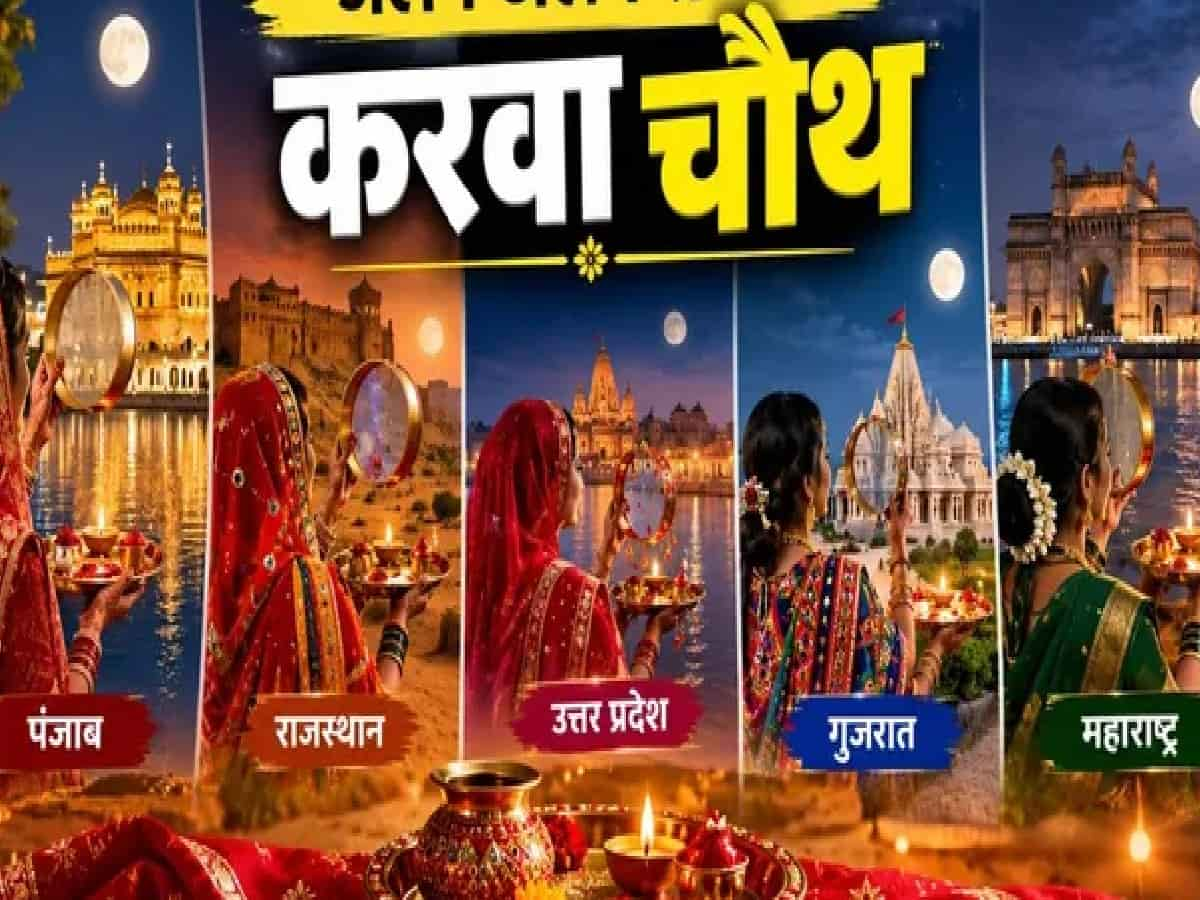
Festivals symbolizing honeymoon in Indian Sanatan culture and folk traditions Karwa Chauth (Karwa Chauth 2026) Has special and historical importance. According to Sanatan Panchang, this year this holy fast of Karva Chauth, the biggest festival of married women, 29 October 2026 (Thursday) The day will be observed with reverence and enthusiasm. This festival of unwavering love, dedication and trust between husband and wife is kept without food and water (Nirjala) from sunrise to moonrise. Although Karva Chauth is originally considered to be a major festival of the states of North India, but with time it has now started being celebrated with full grandeur in every corner of the country and even in foreign countries. Punjab, Uttar Pradesh, Rajasthan, Madhya Pradesh and other parts of the country have their own unique and beautiful customs to celebrate this festival. Let us know in detail how this holy festival of Karva Chauth is celebrated in different states of India.
Karva Chauth in Punjab: Excitement, joy and sweetness of traditional dishes
In Punjab, the festival of Karva Chauth is celebrated with great pomp like a family festival. Here married women wake up before sunrise, eat sargi and get ready with traditional Solah makeup. In the evening, ‘Bayana’ is sent by the mother to her daughter, which includes sacred items like new clothes, coconut, fruits, sweets and vermilion.
At the time of moonrise, women of Punjab come to the terrace with sieve and puja plate. The thali contains a lamp made of flour, sweets and a glass filled with water. After gazing at the moon, raw lassi (a mixture of milk and water) is offered to her, after which the husband breaks the fast by giving water and sweets to his wife. In Punjab, traditional and nutritious dishes like Rajma, green moong dal, puri and rice have special importance in the Karwa Chauth night meal.
Traditional splendor of Karva Chauth in Uttar Pradesh and Bihar
In Uttar Pradesh and Bihar, Karva Chauth begins at dawn with eating sargi, which includes kheer, vermicelli, various types of sweets, namkeen, coconut and dry fruits. In the evening, married women do Solah Shringar – apply mehendi on their hands, apply alta on their feet and adorn themselves by wearing glass bangles.
In the evening, women along with the women of their neighborhood take part in collective puja and pray for the long life of their husbands. On this day, in many areas of Uttar Pradesh and Bihar, the shape of the moon is made on the ground with rice flour. After this, the married women offer Arghya to the moon with their Karva and complete their fast after listening to the traditional story.
Unique style of Rajasthan and cultural exuberance of Madhya Pradesh
Famous for its rich and glorious heritage Rajasthan The color of Karva Chauth is quite different and traditional. The women here dress up in traditional Rajasthani attire, special jewelery and attire. After observing the rituals of worship and fasting throughout the day, they break their fast at night with the sight of the moon.
On the other end, Madhya Pradesh Karva Chauth is also celebrated with great enthusiasm in major cities of India like Bhopal, Indore and Gwalior. Here too, women keep a strict waterless fast from sunrise to moonrise and pray for the happiness and prosperity of the family.
Karva Chauth extends to metropolitan cities and South India
Originally from North India, this festival has now become very popular in big cities like Maharashtra and Gujarat due to its cultural sweetness. Apart from this, Karva Chauth is also now being celebrated with great enthusiasm by North Indian families and local communities living in South Indian states like Karnataka, Tamil Nadu and Andhra Pradesh. There may be slight regional differences in customs and food habits in any corner of the country, but the feeling of wishing for long life of the married couple and an unbroken relationship remains the same throughout the country.