 look news india

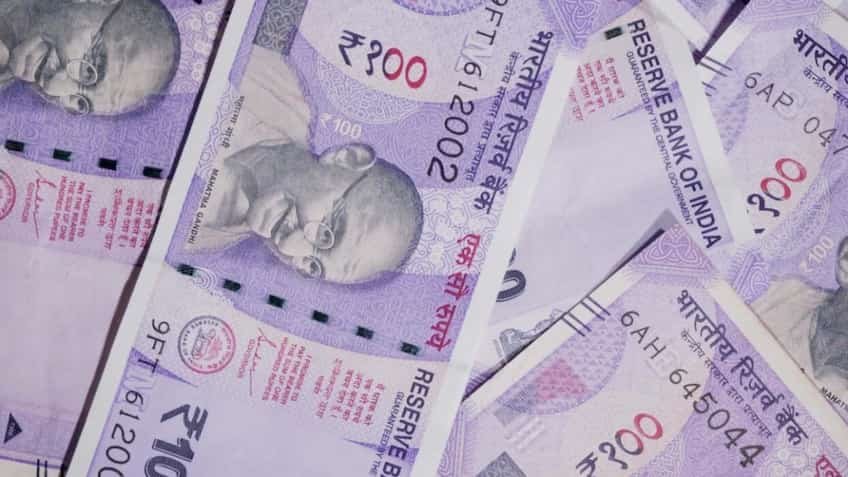
The positive impact of the strong infrastructure and financial discipline of the Indian economy is once again clearly visible on the government treasury. In the current financial year, from April 1 to October 14, a tremendous increase of 13.21 percent has been recorded in the country’s Net Direct Tax Collection on an annual basis. According to the latest data from the Central Board of Direct Taxes (CBDT) and the Income Tax Department, the government has so far collected a whopping net direct tax revenue of Rs 13.38 lakh crore. From the commercial centers of Lucknow, the capital of Uttar Pradesh, to the corporate corridors of Delhi, Mumbai and Bengaluru, this record collection is being seen as a historic improvement in the pace of business activities and tax compliance. This sharp surge in direct taxes is a clear indication that Indian domestic demand, corporate profits and personal income levels are expanding strongly even amid the rumblings of a global recession.
An in-depth analysis of the tax collection data reveals that both the corporate world and individual income taxpayers have contributed equally to this excellent performance. Net corporate tax collection for the period till October 14 has jumped by 20.58 per cent to reach around Rs 5.99 lakh crore. This increase in the profits of companies has proved that the balance sheet of the Indian manufacturing and services sector is continuously strengthening. On the other hand, non-corporate tax collection, which includes Personal Income Tax and Hindu Undivided Family (HUF), has increased to Rs 6.92 lakh crore. Apart from this, due to the increasing participation of investors in the stock market, there has also been a strong increase in the revenue from Securities Transaction Tax (STT), which has further raised the graph of the total collection.
If we talk about Gross Direct Tax Collection before deducting tax refunds, then it has registered a solid growth of about 14.89 percent. The total gross direct tax collection so far in the current business session has crossed Rs 16.03 lakh crore, which was recorded around Rs 13.95 lakh crore in the same period last year. The most remarkable thing about this system is that the speed of issuing timely refunds to taxpayers has also increased significantly. The Income Tax Department has issued refunds worth Rs 2.65 lakh crore between April 1 and October 14, which is 24.22 percent more than the same period of the last financial year. Thanks to modern AI-driven processing systems and digital improvements, refunds are now being transferred to taxpayers’ accounts directly and without any administrative delays, thereby deepening public trust in the tax system.
This sustained surge in direct tax collections is not only a result of general economic growth but also has a big role to play in the state-of-the-art technology and data analytics adopted by the Income Tax Department. Real-time monitoring of financial transactions is being done through modern digital tools like Annual Information Statement (AIS), Taxpayer Information Summary (TIS) and Project Insight introduced by the department. Information about stock market, mutual funds, real estate and large bank transactions is directly visible on the taxpayers’ portal, thereby virtually eliminating the scope for tax evasion. Chartered accountant firms and tax consultants based in areas like Gomti Nagar and Hazratganj in Lucknow say that faceless assessment and e-verification instead of notice-based scrutiny has motivated common professionals and businessmen to deposit taxes on time and accurately.
This strong double-digit growth in tax revenue has emerged as a major safety net for the Central Government on the fiscal front. This progress towards the full year direct tax targets set in the Union Budget is very encouraging, which will greatly facilitate the achievement of the government’s target of keeping the fiscal deficit below 4.9 percent of the gross domestic product (GDP) during the current financial year. The additional capital coming into the treasury will give free rein to the government to pursue capital expenditure (Capex) related to railway modernisation, national highways, expressways, health centers and rural infrastructure without any financial pressure. Along with this, this strong stance of direct tax collection also guarantees uninterrupted funding of various welfare schemes promoting rural and urban consumption during the festive season.