 look news india

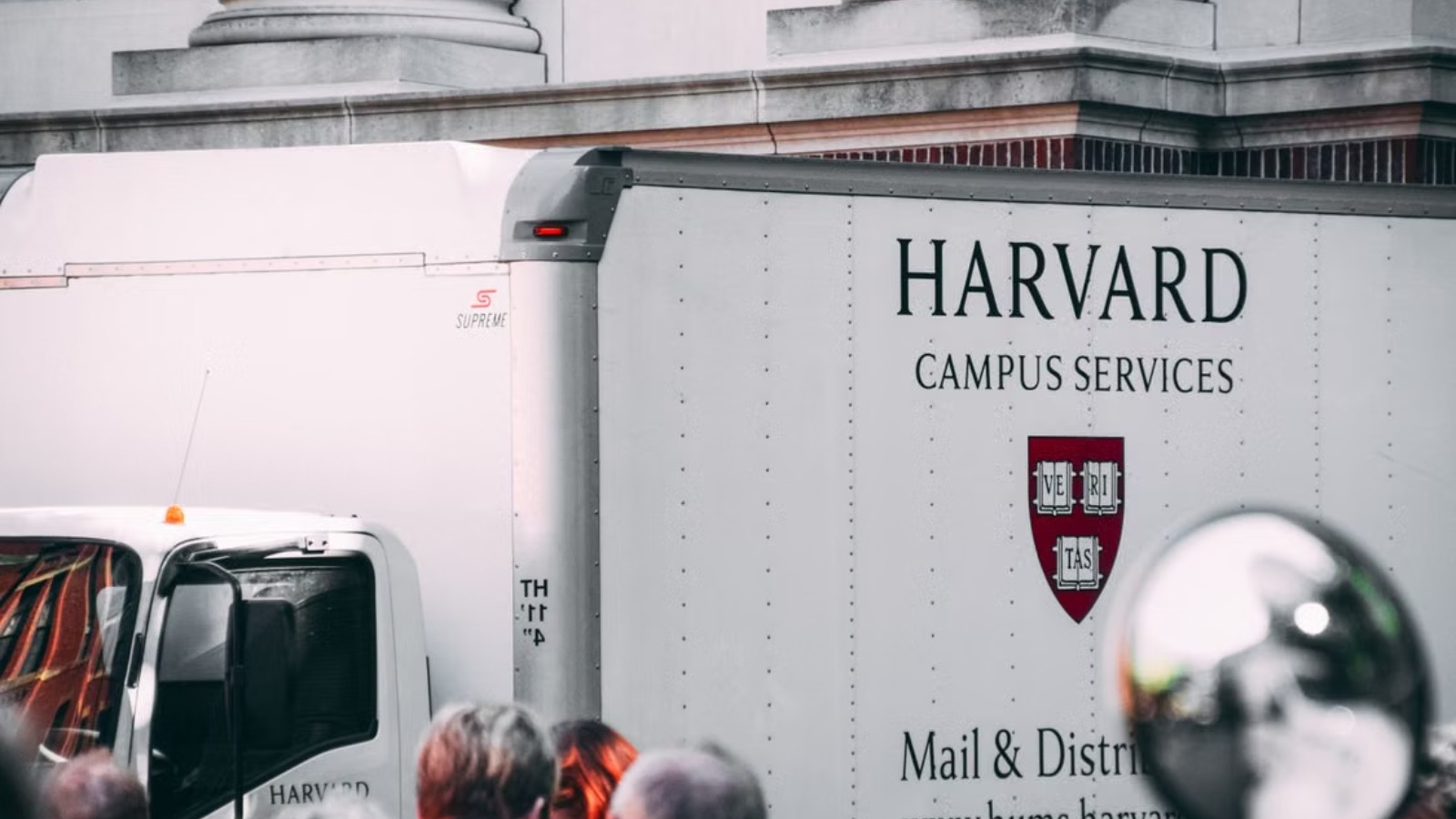
A very big and disappointing news is coming for the Indian students studying at America’s prestigious Harvard University and dreaming of going there in the future. Harvard Law School (HLS) has taken a big step after the recent stringent changes and new guidelines made by the US government in the rules related to work permits and off-campus training for international students. The university administration has stopped work authorization for international JD students in all its 13 law externship clinic programs with immediate effect. This decision has had a direct impact on hundreds of international students studying in America, among which a significant number of Indian students are also present. The university has taken this step to avoid legal hassles after the US government tightened the rules on Curriculum Practical Training (CPT), which appears to be closing the doors for Indian students to gain practical experience in US law firms, government agencies and non-profit organizations.
According to the new federal guidelines issued by the US Department of Homeland Security and Education, the standards for granting off-campus work permit i.e. CPT (Curricular Practical Training) to foreign students have been tightened. Under the new rules, international students can only be allowed to take part in work programs that are strictly essential to their degree course. The externship clinics at Harvard Law School were part of an elective course, making it a violation of the new rules to authorize foreign students to work in these clinics. Following this tough stance, Harvard Law School has taken protective measures and decided to keep international students out of 13 major externship programs. Although the university has clarified that students of LLM program will not be affected by this, Indian and international students pursuing JD degree have been directly affected by this.
For Indian students studying law in the US, externships were not just a way to earn credits, but through it they got real-world experience of working in the US legal system, top courts, multinational corporate companies and human rights organizations. After this decision of Harvard, Indian students will now have to be limited to only the in-house (on-campus) clinical programs of the university. Experts believe that without practical experience, it will become more challenging to enter the American job market and obtain a work visa (H-1B) after completing studies. Students who use Optional Practical Training (OPT) for practical experience may find their post-graduation work time quota is exhausted prematurely, which may completely derail their career plans.
For some time now, the US administration has been continuously maintaining strictness regarding student visa (F-1 visa) and its related employment policies. Not only Harvard, but many other major universities of America are also being forced to make changes in their international student programs and work permit policies due to these new federal rules. This situation has created a situation of confusion and anxiety in the minds of Indian students studying globally. Students going to America to study after paying fees worth lakhs of rupees and taking huge education loans have now faced a new challenge of gaining work experience along with studies. Education experts say that if American policies continue to be as strict, Indian students may turn to Britain, Canada or other countries in Europe instead of America.