 look news india

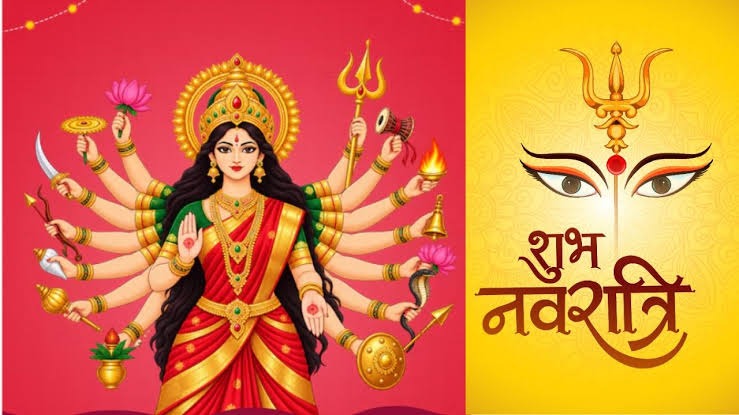
In Hindu religion, the festival of Shardiya Navratri is considered very sacred, energetic and full of joy. Preparations have already started in temples and homes across the country for this Navratri to come in the year 2026. During these nine days, nine different forms of Goddess Durga are worshiped with rituals. During these holy nights of Navratri, a very special tradition has been going on for centuries, and that is the tradition of wearing clothes of a certain color every day. In the modern era, due to social media and fashion, this tradition has become more popular, where people adopt these colors not only for religious faith but also with positive energy and discipline. These nine different colors, starting from orange on the first day to the ninth day, are considered to symbolize various qualities and powers of the Mother Goddess, which fills the life of the devotees with enthusiasm and color.
According to religious beliefs and astrological calculations, each day of Navratri is associated with a particular planet and form of the goddess that rules that day. For example, Maa Shailputri is worshiped on Pratipada, the first day of Navratri, and the color orange or Pratipada is considered extremely energetic on this day. Similarly, on the second day, white color is worn to worship Brahmacharini, which is a symbol of peace and purity. Red color for Mother Chandraghanta, yellow color for Kushmanda, green color for Skandmata, gray color for Katyayani, blue color for Kalratri, pink color for Mahagauri and purple or green color like peacock feather for Siddhidatri are considered very auspicious. The belief behind wearing these colors in a systematic manner is that they purify the mind and brain of the devotees and get the special blessings of the Mother Goddess.
Not just from a religious or astrological perspective, colors also have a deep psychological impact on our lives and mental health. Science also believes that colors directly affect human mood, energy levels and thoughts. When we wear a new and positive color every day during Navratri, the chakras of our body are activated and there is a new enthusiasm in the daily routine. Yellow represents intelligence and happiness, green represents nature and freshness, while red symbolizes energy and courage. The continuous change of colors for these nine days breaks the monotony of life and the person feels mentally refreshed. This is the reason why this tradition is not just an external show off, but also an excellent means of physical and mental balance.
Today, this tradition is not limited to just traditional families but is also celebrated with great enthusiasm in corporate offices, colleges, kitty parties and housing societies. The youth and working women follow this tradition enthusiastically and share their pictures on social media wearing clothes of a certain color every day. This not only increases social interaction but also increases the joy of festivals manifold. Keeping these nine days of Navratri in mind, the demand for special designer clothes, ethnic wear and accessories suddenly increases in the market. This season also proves to be a big business opportunity for the business class, which works to connect traditional culture with the modern market.
Shardiya Navratri is not just a festival of dressing up or wearing new clothes, but it is a time to purify oneself by renouncing the evils, negativity and ego within oneself. This selection of colors teaches us that just as nature adorns itself in new colors every day, there should be diversity, balance and positivity in our lives too. When devotees worship Maa Durga through rules, discipline, fasting and these special colors for nine days, a new spiritual energy is infused within them. This time in the coming Navratri 2026, by following the rules of these nine colors, welcome happiness, peace and prosperity in your life and get the blessings of Mother Durga.