 look news india

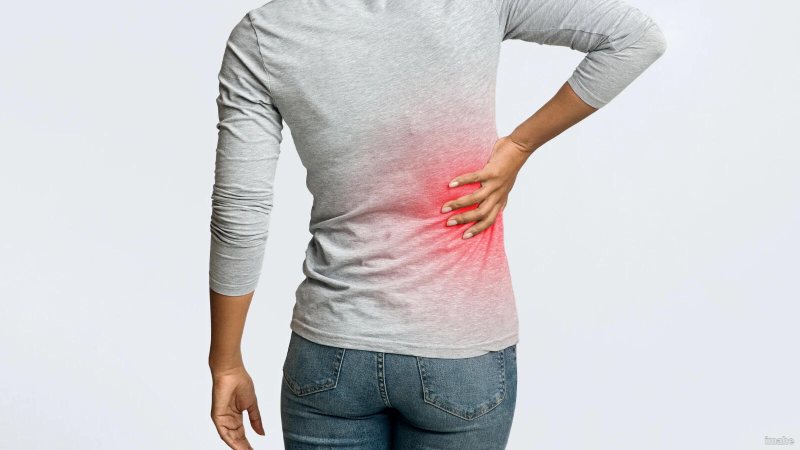
Due to today’s busy life, spoiled lifestyle and carelessness in eating habits, kidney stones are becoming a very common but extremely painful problem. Sudden sharp pain in the stomach or lower back makes the patient miserable. As soon as the complaint of stones comes to light, the first fear in the mind of most people is regarding operation or surgery. However, according to modern urology and medical science, not every type of kidney stone requires operation. Treatment of stones completely depends on its size, location and symptoms of the patient. Many times, by drinking adequate amount of water, abstinence and taking simple medicines, the stones automatically pass out through urine. In today’s detailed health article, we will tell you in detail what size of stone can be removed without operation and in which situation surgery becomes mandatory.
#1 Why do kidney stones form and what are its initial signs?
Kidneys play an important role in filtering the blood in our body and removing waste products and excess fluid through urine. When there is a shortage of water in the body or the amount of minerals like urate, oxalate and calcium increases excessively in the diet, then these elements start combining with each other and form small crystals. These crystals gradually accumulate and take the form of hard stones. In the case of kidney stones, problems like sudden sharp cramps in the waist or lower abdomen, burning sensation while urinating, pink or red color of urine, frequent urge to urinate, and nausea or vomiting occur. If correct steps are taken by recognizing these signs in the early stages, the situation can be prevented from worsening.
#1 What size stone can be passed out through urine without operation?
According to medical research and urologists, if the kidney stone size is 5 millimeters (5mm) or smaller, then in about 80 to 90 percent of the cases it gets passed out of the body through urination without any surgical procedure just by drinking adequate amount of water, increasing fluid intake and with the help of common medicines. At the same time, even if the size of the stone is between 5 mm to 7 mm, the doctor gives some special urinary alpha-blockers medicines which widen the ureter, due to which the possibility of the stone coming out on its own remains 60 to 70 percent. In this situation, the patient should drink at least 3 to 4 liters of water a day and should take precautions as per medical advice.
#1 Which size of stone requires operation or laser surgery?
When the size of a kidney stone becomes 8 millimeters (8 mm) or larger, the chances of it being passed out naturally through urine are extremely low. In particular, stones 10 millimeters (10 mm) or larger can get stuck in the ureter, blocking the flow of urine and creating a risk of kidney swelling (hydronephrosis) and serious infection. In such a situation, urologists recommend surgery without any delay. Nowadays, in modern medical science, even the largest stones can be crushed and removed easily through advanced techniques like Laser Lithotripsy, RIRS (Retrograde Intrarenal Surgery) and ESWL (Shockwave Lithotripsy) without any major incision.
#1 Adopt these home remedies and lifestyle changes to remove stones without operation
If your stone is of small size, then it can be removed quickly with some easy and effective home remedies. Drink plenty of plain water throughout the day, coconut water, lemon water and horse gram water because the citrate present in lemon helps in dissolving the stones. Also, limit the intake of salt (sodium), excessive protein, spinach, tomatoes, cold drinks and junk food in your diet. If you complain of intermittent urination, high fever or unbearable pain, immediately contact a specialist doctor and get an ultrasound examination done. Medical consultation taken at the right time can protect your kidneys from any major damage.