 look news india

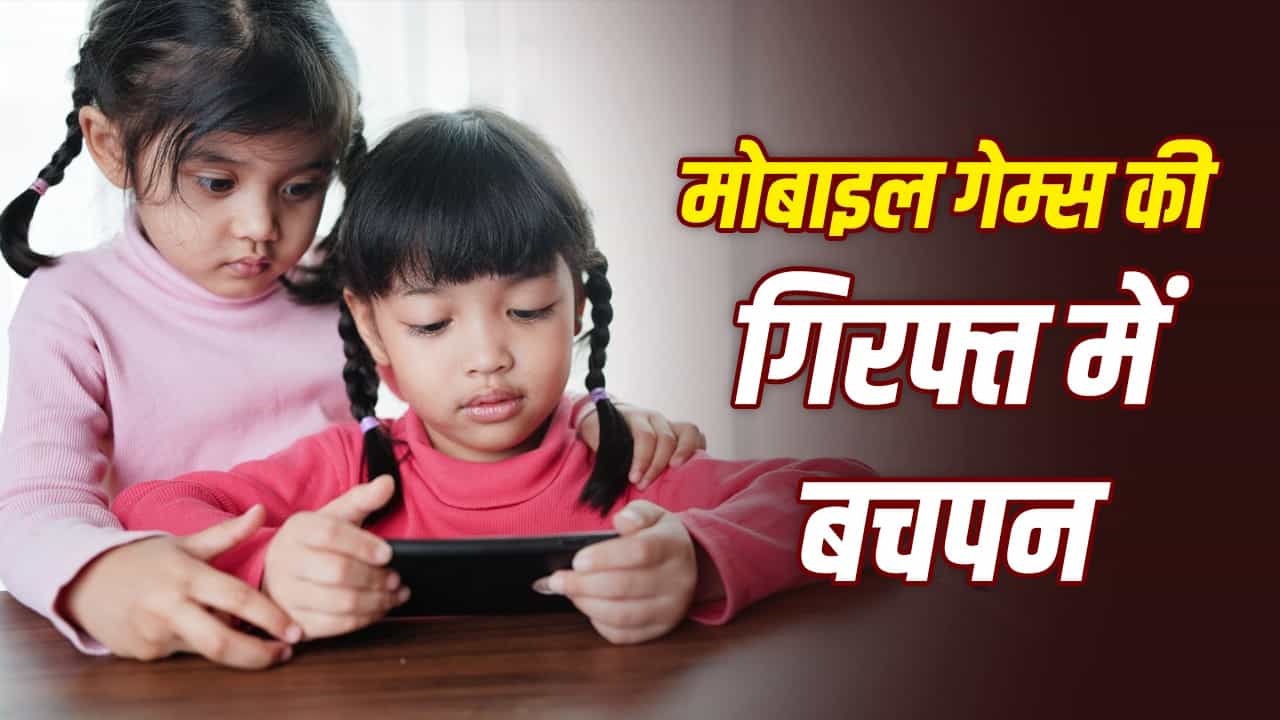
Every year on 10 October, ‘World Mental Health Day’ is celebrated across the world, the basic objective of which is to make people aware of mental health and psychological problems. In today’s digital age, the group on which mental disorders are having the most silent and profound impact are the innocent children of our homes. Mud games, evening hustle and bustle and laughter of friends have now been replaced by 6-inch bright mobile screens, tablets and high-speed internet. The minds of children trapped in the virtual world of video games are getting trapped in such an invisible maze from which it has become impossible for them to get out. Health experts and child psychologists say that this addiction to e-gaming is not just a habit, but it is directly affecting the cognitive ability, emotional stability and overall mental development of children.
It is very important to understand e-gaming addiction at the neurological level. Modern online games—be they battle royale games, shooting games, or multiplayer survival games—are designed in such a way that they directly trigger the reward system of the human brain. Beating a level in a game, getting a virtual reward, or defeating an opponent comes to mind immediately. dopamine (Feel-good hormone) secretes heavily. The child’s underdeveloped brain becomes addicted to this momentary excitement. When the game ends or the parents take away the phone, dopamine levels suddenly drop, causing the child to show extreme anger, irritation and aggression. In view of this psychological dependence, the World Health Organization (WHO) has officially classified ‘Gaming Disorder’ as a mental health illness.
The first and most fatal effect of being glued to the screen for many hours continuously falls on the sleep pattern (sleep cycle) of children. Blue light emitted from mobile screens completely suppresses the production of the sleep-inducing hormone melatonin in the body. Insomnia, headache and dry eyes have become common among children who stay up late playing games. Lack of sleep directly impairs their mood and mental balance. Such children gradually start getting cut off from the real world; They start avoiding sitting with family, talking to friends or participating in school activities. Due to this social isolation, they start feeling depression, lack of concentration (symptoms of ADHD) and self-doubt.
Even if children in your home spend long periods of time on digital devices, parents should not ignore the subtle changes in their daily behavior. When gaming turns from a hobby to an addiction, clear symptoms start appearing:
-
Excessive aggression: When the mobile or Wi-Fi is switched off, the child becomes violent, throws things or abuses.
-
Decline in studies and personal hygiene: Not caring about school homework, projects, or even bathing.
-
Insistence on spending virtual money: Secretly using a parent’s credit card or stealing money to buy in-game purchases or digital skins.
-
Physical Characteristics: Constant fatigue, neck and back pain, dark circles under the eyes and rapid weight gain or loss.
-
Hiding the truth: Lying that they weren’t playing games, or playing on the phone while hiding under the sheets at night.
To get children out of this serious mental crisis, scolding or beating does not work, rather it requires a sympathetic approach and scientific strategies:
-
Create a screen-free zone: Declare the bedroom and dining table as complete ‘no-screen zones’. Keep all gadgets out at least an hour before sleeping at night.
-
Add outdoor sports to your routine: Invest children’s extra time in real-world activities like football, badminton, swimming, music or painting, which provide them with natural dopamine and happiness.
-
Lead by example: If the parents themselves keep scrolling on the phone all the time at home, then no advice will have any effect on the child. Make time for conversation and board games with children.
-
Set screen time limits: Use parental control tools in gadgets and do not allow more than 45 minutes to 1 hour for entertainment in a day.
-
Seek help from a counselor: If the child has completely lost control over behavior, stop hesitating and immediately consult a qualified child psychologist or psychiatrist. Mental health is as precious as physical health.