 look news india

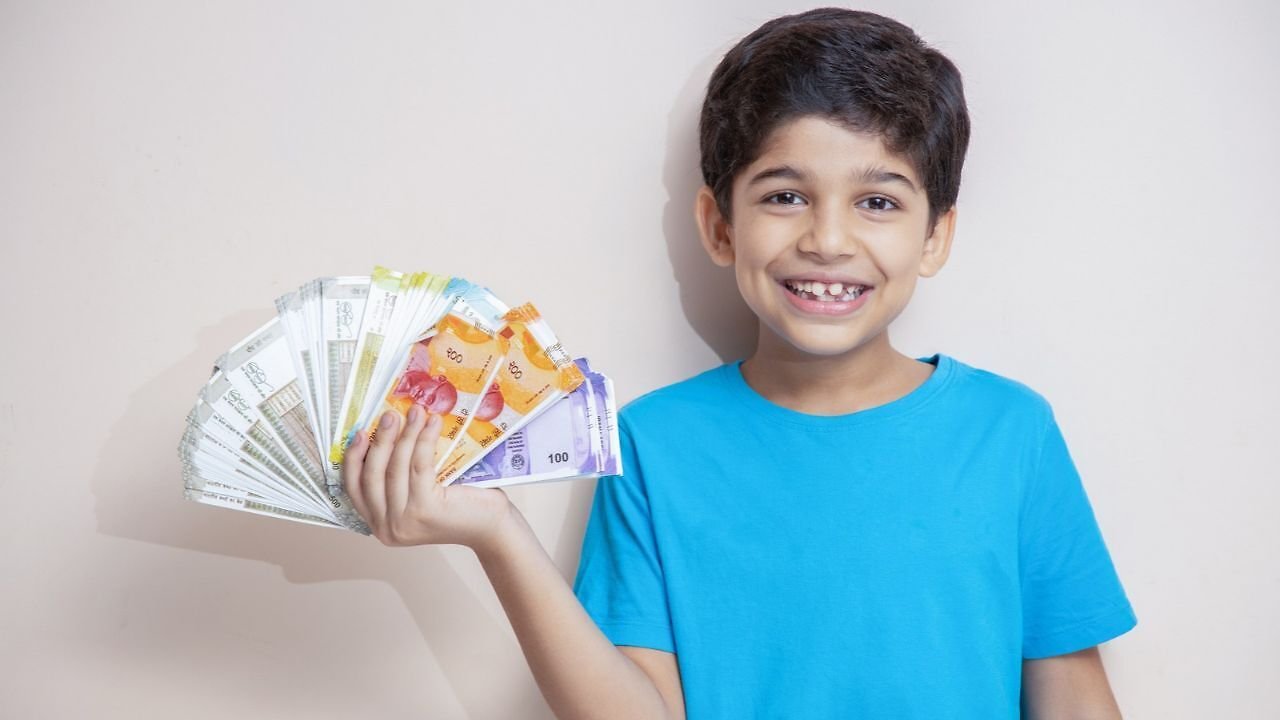
Habits learned in childhood set the foundation for a person’s behavior throughout his life, and this applies 100% to money management as well. In today’s consumerist era, where the trend of online delivery, gaming in-app purchases and digital payments has increased rapidly, teaching children the real value of money has become a big challenge for parents. In cities like Lucknow, Delhi, Mumbai and Bengaluru, most parents give monthly or weekly pocket money to their children, but often leave it as just an ‘expense’. Financial psychologists and parenting experts believe that pocket money is not just a means to fulfill the demands of children, but it is the most effective tool to teach them practical lessons of budgeting, decision-making abilities and savings from an early age. If a child is not taught to manage money at the right age, the risk of getting stuck in credit card debt and wasteful spending increases significantly when he grows up.
The first and basic condition while giving pocket money to children is consistency. Never suddenly take money out of your pocket when the child asks for it, nor change the amount according to his mood.
-
jour fixe: Set aside a fixed day—the first of the month or every Sunday morning—on which they will receive pocket money. This will make the child realize that money comes only at regular intervals.
-
Amount according to age: An amount of ₹ 100 to ₹ 200 per week is considered sufficient for primary school children (7 to 10 years) and ₹ 1,000 to ₹ 2,000 per month for teenagers (12 to 16 years).
-
Avoid giving advance: If the child has exhausted all his money by the 20th of the month, then never make the mistake of giving him extra money immediately. Only when he spends 10 days without money due to his own mistake will he understand the real importance of financial limits and discipline.
As soon as children get money, it is natural for them to want to buy toys, fancy stationery or outside junk food. This is where the role of parents begins. Calmly explain to the children that their basic needs (like school books, tiffin, uniform, shoes) are met by the family. Pocket money is for their ‘wants’. If they want an expensive video game, branded sneakers, or new toy, tell them it won’t be purchased right away. For this they will have to save their pocket money for months. When a child waits for months for an item and buys it with his own savings, he truly appreciates that item and develops the habit of patience.
Instead of teaching children abstract banking terms, teach them the 50-30-20 savings formula by giving them three different transparent piggy banks or jars at home. Transparent jar so that the child can see the coins and notes growing before his eyes:
-
First Jar – Spending (50%): For small everyday expenses, like a favorite snack in the school canteen or small stationery.
-
Second Jar – Savings (Savings – 30%): Long-term savings for a big toy, bicycle accessory or birthday party.
-
Third Jar – Donation and Helping Others (Giving/Sharing – 20%): Helping a needy classmate, giving a gift to someone at a festival, or feeding street dogs. This jar inculcates a sense of philanthropy and responsibility towards society in children.
Many parents make the mistake of paying their child for cleaning their room, making their bed, or completing their homework. According to experts, basic household chores are a natural responsibility of one being a part of the family; One should never give money for these, otherwise the child will not perform any household responsibility without money. If you want to teach your child the value of extra income, you can give your child unusual or larger tasks—like deep cleaning the family car, weeding the yard, or helping sort out old junk. This gives the child the message that extra money can be earned only through extra hard work and skill.
The biggest purpose of pocket money is to provide a safe environment from making financial mistakes. Regretting a wrong purchase of ₹200 at the age of 10 is much better than taking a wrong financial decision of ₹2 lakh at the age of 25. If the child bought a useless toy that broke the next day, instead of getting angry or scolding him, ask him lovingly—”Do you think this was the right decision? What would you have done with the money next time?” Along with this, give the child a small notebook or diary, in which he can write down the details of every incoming and outgoing money (eg: date, where it was spent, how much is left). This simple habit creates a strong foundation for budget tracking and financial audit in the future.
Ideal model of pocket money and 50-30-20 savings for children of different age groups
| Age Group | Recommended Pocket Money | Expense Jar (50%) | Savings Jar (30%) | Sharing Jar (20%) | primary learning |
| 7 to 10 years (depending on the week) | ₹200/week | ₹100 (daily snacks) | ₹60 (Toys Target) | ₹40 (charity/donation) | Identification of coins and notes, patience |
| 11 to 14 years (on monthly basis) | ₹1,000/month | ₹500 (outings and hobbies) | ₹300 (Cycle/Gadget Fund) | ₹200 (Gift to a friend) | Creating a Budget Diary, Stopping Impulse Buying |
| 15 to 18 years (on monthly basis) | ₹2,500/month | ₹1,250 (cafe, recharge) | ₹750 (Bank RD / Digital Fund) | ₹500 (Social Cause) | Understanding digital payments, first bank account |