 look news india

In the tradition of Sanatan Dharma, sandalwood is considered so sacred that it is used only in worship. The tradition of applying sandalwood tilak on the head is also centuries old.
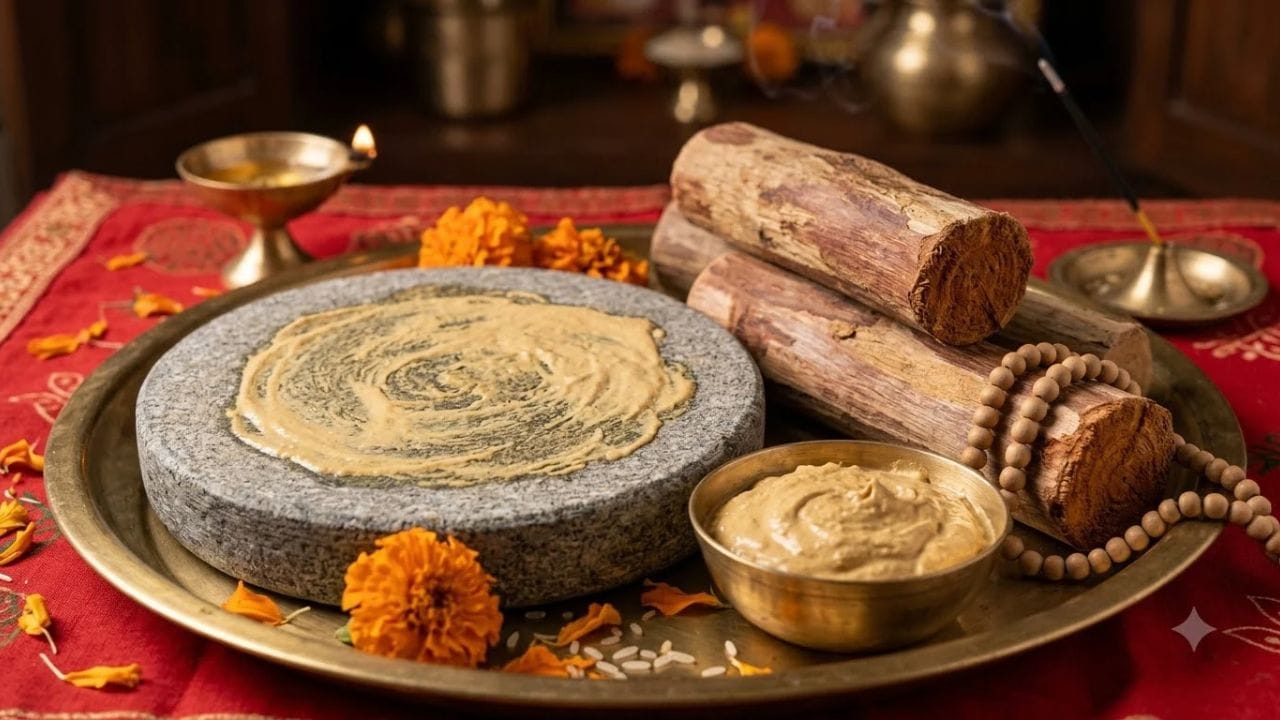
Sandalwood is used in many ways. Sandalwood is considered to calm the mind and enhance the spiritual effect of worship. From its use in puja to applying tilak on the head… What are the reasons and benefits behind the use of sandalwood?
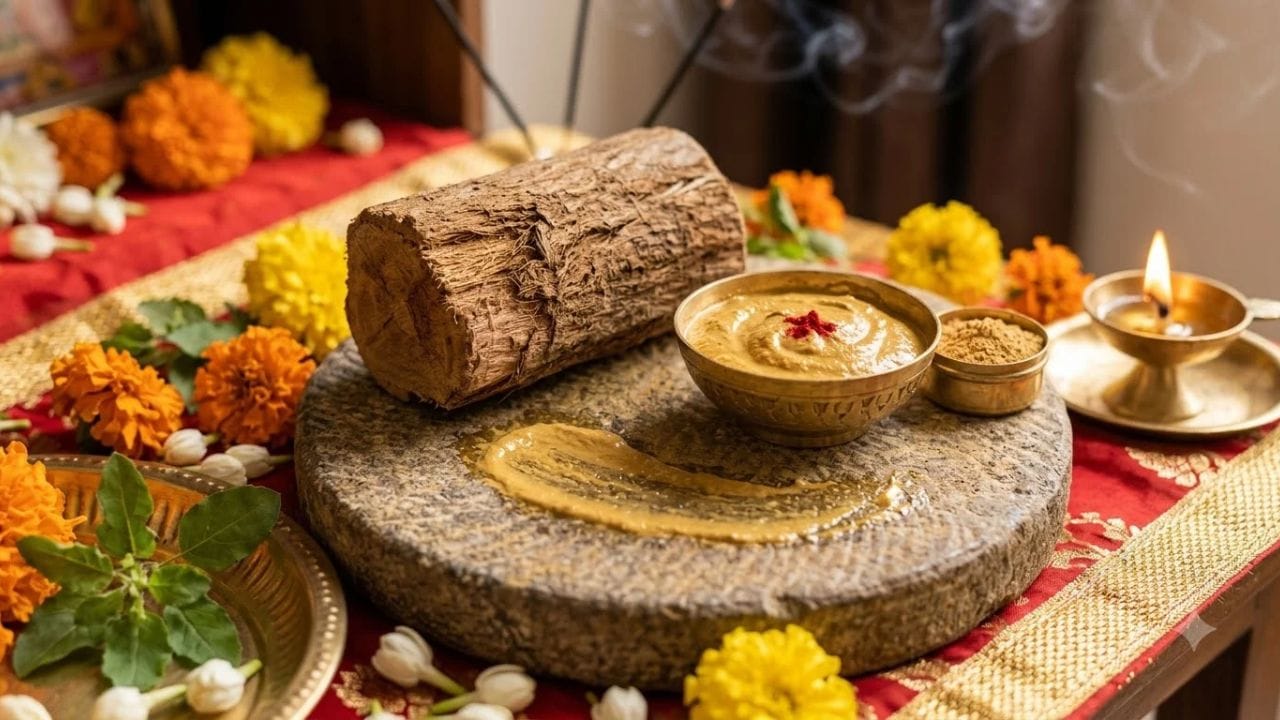
Sandalwood is called Shrikhandam in Sanskrit. The tradition of offering sandalwood in the worship of Gods and Goddesses and applying Tilak on their heads has been going on for centuries. According to religious beliefs, sandalwood is offered to Shivalinga. There is also a tradition of offering white and red sandalwood in the worship of Lord Vishnu and his incarnations.
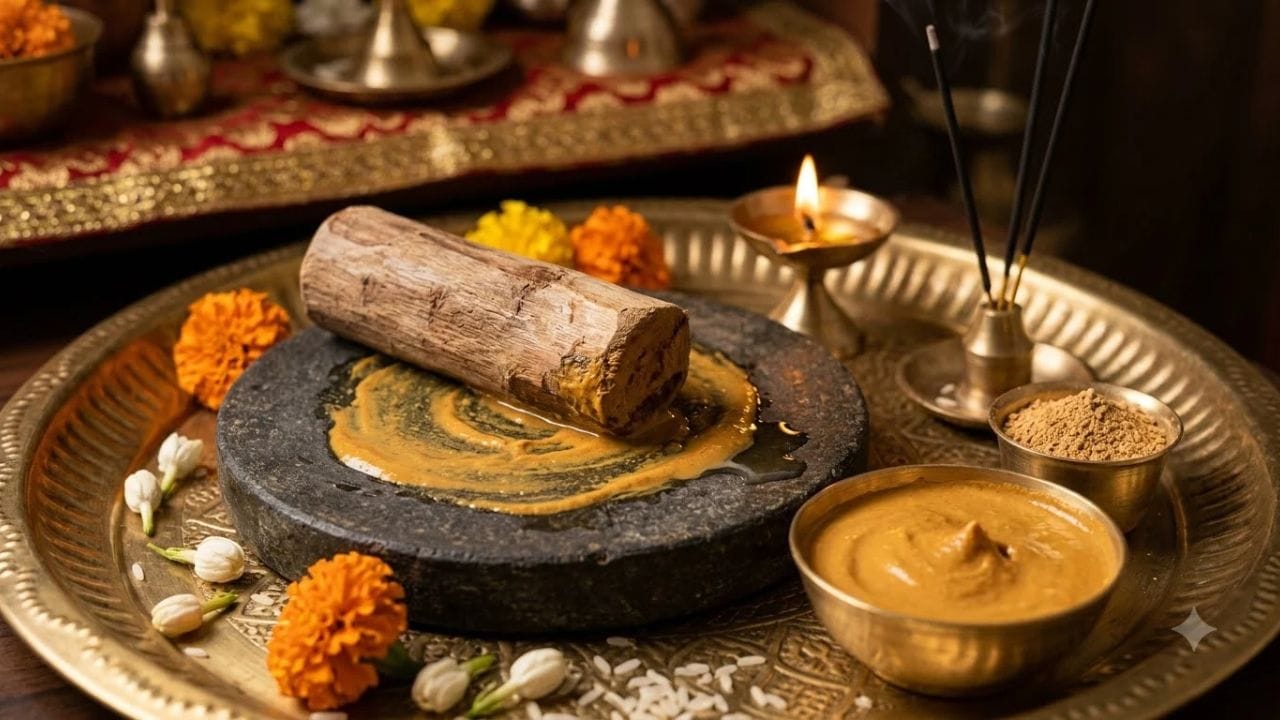
The tradition of applying tilak on the head is very old in Hindu religion. Sandalwood tilak is especially a symbol of peace and coolness. It is believed that applying sandalwood tilak after worship or chanting mantras keeps the mind concentrated and away from negative thoughts. The aroma of sandalwood calms the mind, which reduces stress and mental fatigue.
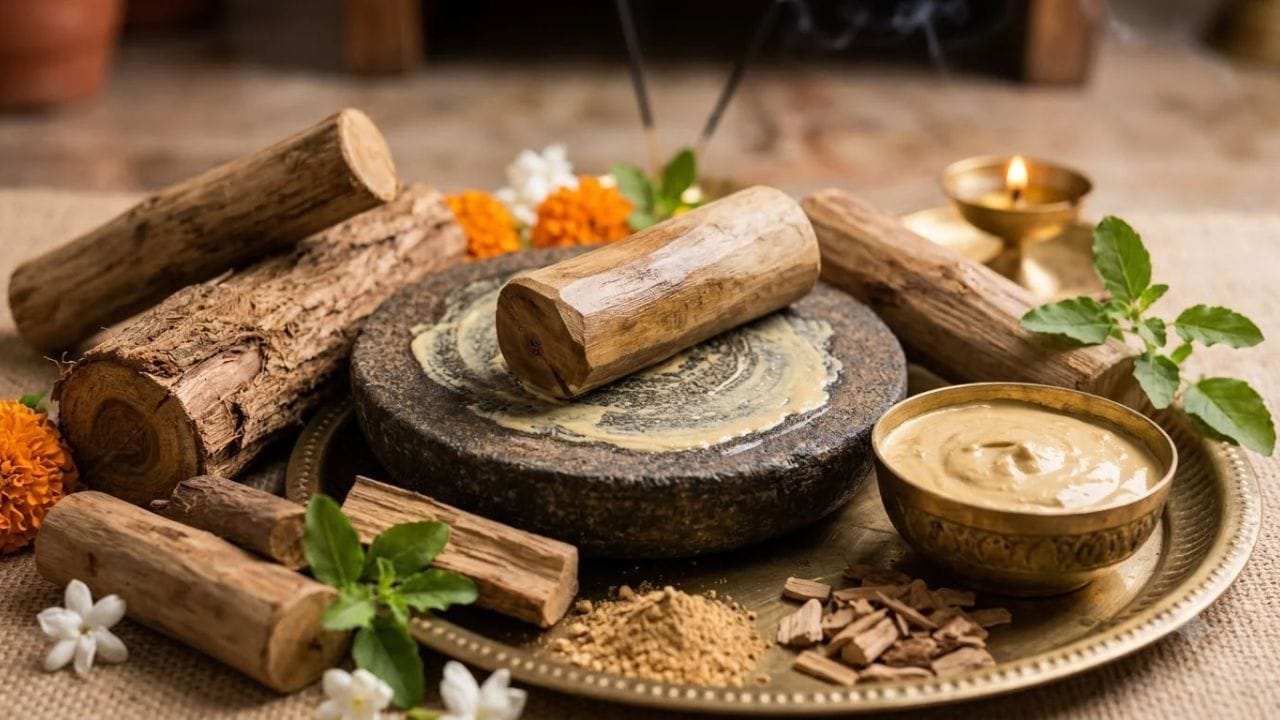
Due to the cooling effect of sandalwood, there is a traditional tradition of applying it on the head. It provides a cooling sensation, especially in headaches caused by heat or fatigue. Sandalwood is also used in skin care. Its paste helps in reducing excess oiliness while cooling the skin.
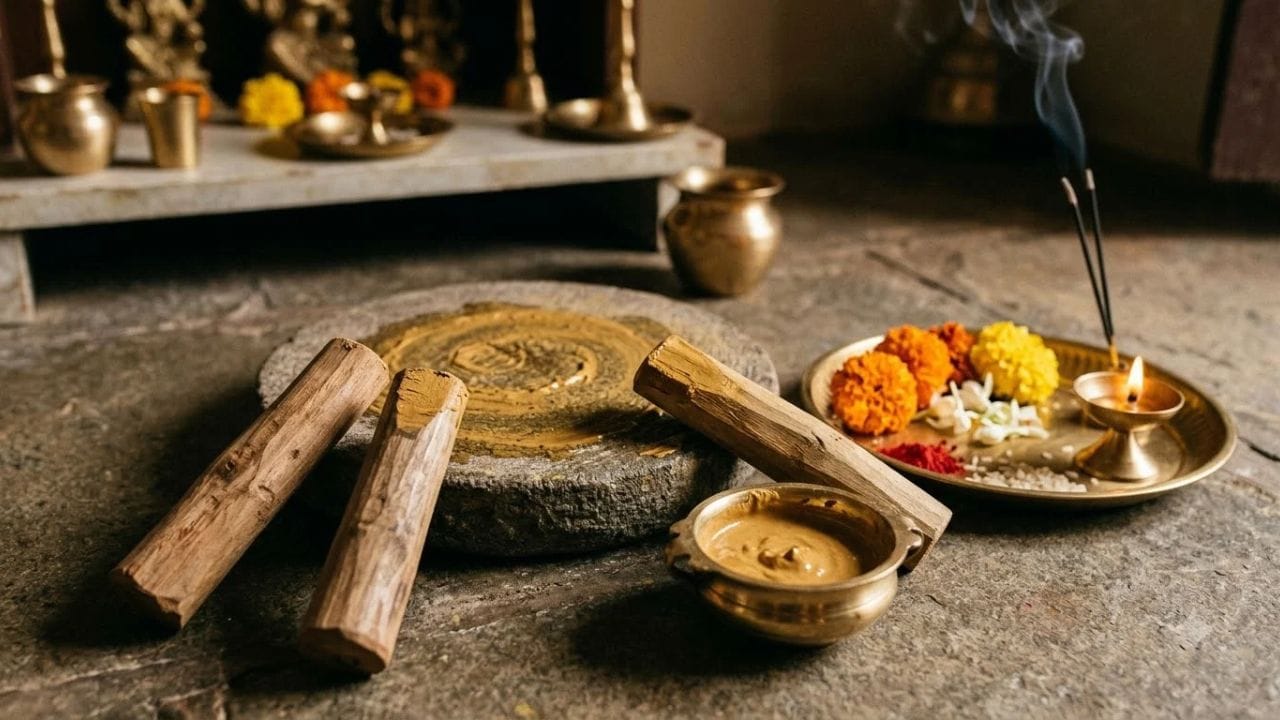
The use of sandalwood is not limited to applying tilak only. There is also a tradition of chanting mantras with sandalwood garland. It is believed that the mantras of Goddess Gayatri, Maa Saraswati and Maa Lakshmi are chanted with sandalwood garland. This helps in keeping the mind stable during sadhana.
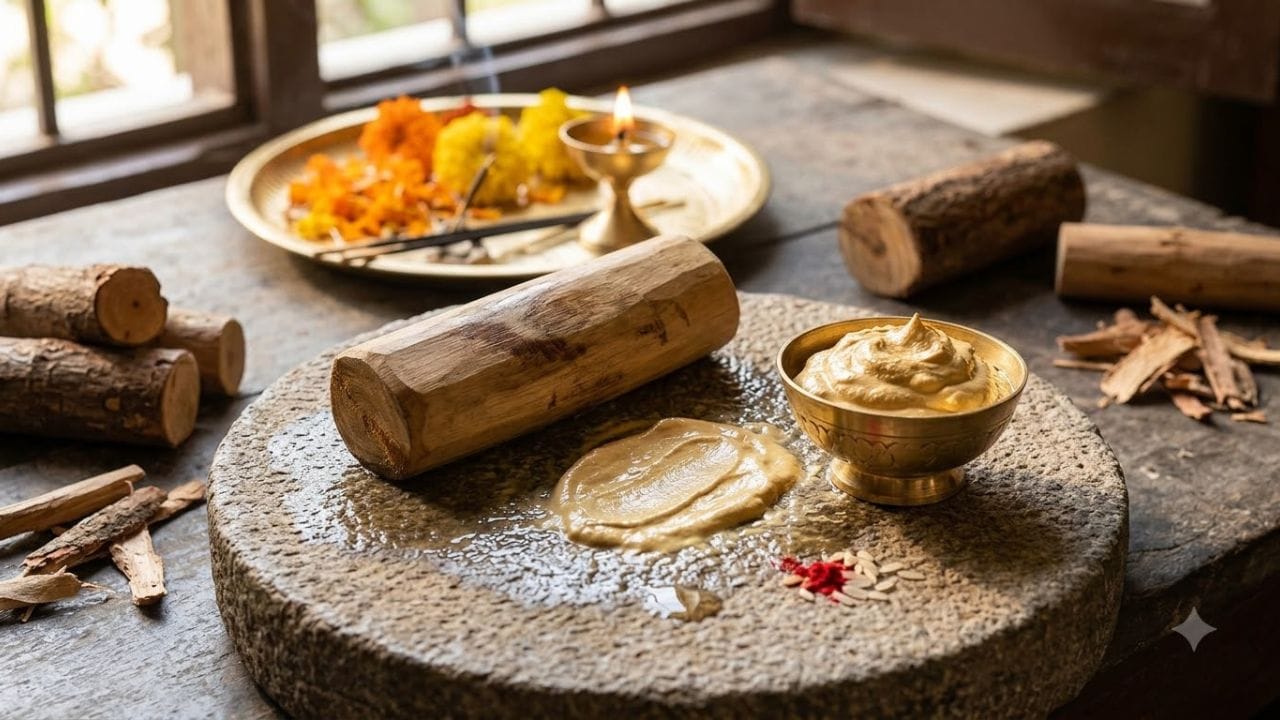
The biggest feature of sandalwood is its coolness. Therefore, sandalwood is used not only as a material in worship but also as a symbol of peace, purity and sattvikta.