 look news india

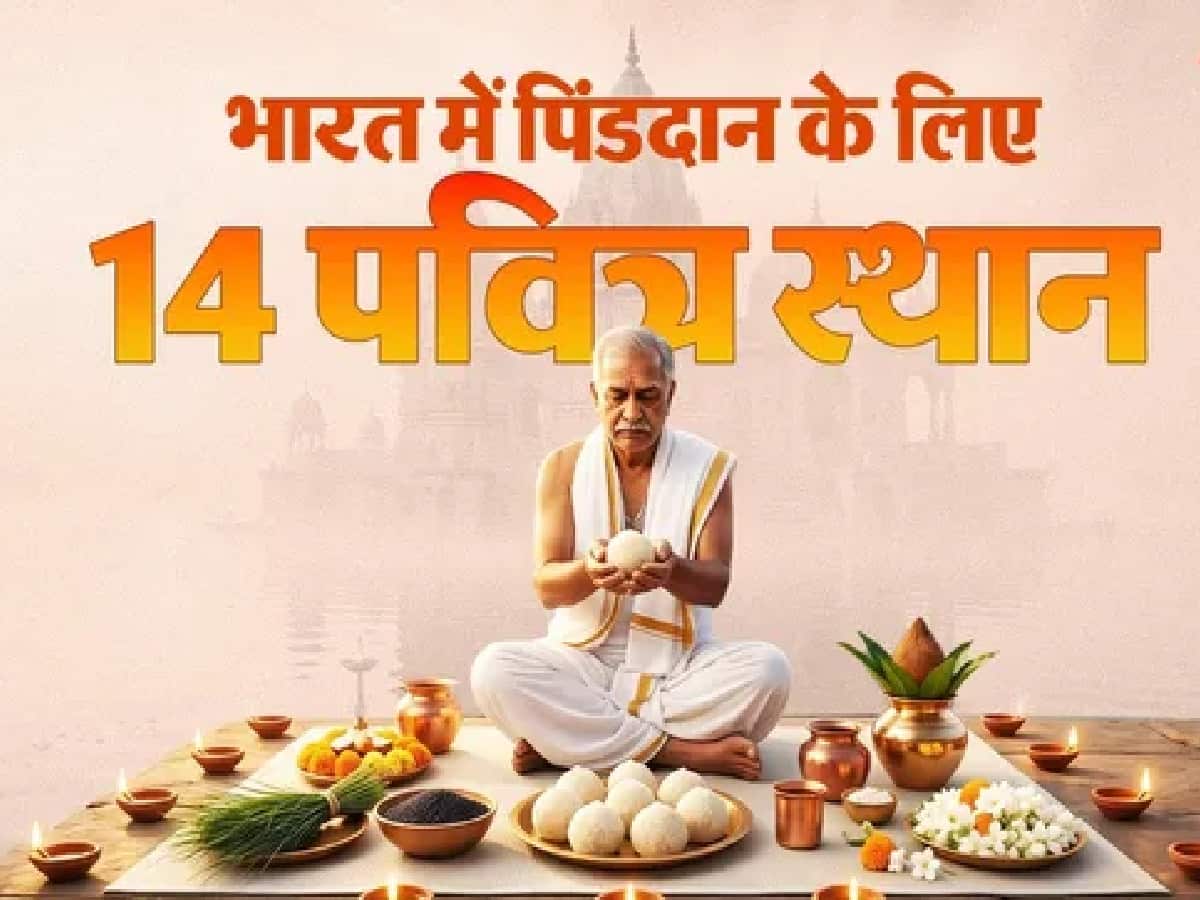
In Sanatan Hinduism, the time of Pitru Paksha is considered to be the most sacred period dedicated to the peace of the souls of the departed ancestors, their ancestors, their salvation and fulfillment. In the year 2026, Pitru Paksha has started from 27th September and it will conclude on 10th October 2026 on the great festival of ‘Sarvapitri Amavasya’. During these 16 days of Shraddha Paksha, devotees from India and abroad perform the traditions of Pind Daan, Tarpan and Brahmin food for their ancestors with full devotion. According to Hindu religious scriptures and Puranas, performing Shraddha on the banks of any holy river, lake, lake or in the courtyard of an ancient pilgrimage site gives infinitely greater results.
There are many such historically and intimately connected holy places on the Indian soil, which are said to be the gateway to real salvation and ancestral liberation. From the Falgu coast of Gaya to Badrinath Dham situated in the lap of Himalayas, these 14 major pilgrimage sites of the country are considered supreme for getting relief from Pitra Dosh and receiving the blessings of ancestors. If you are also planning to perform Pind Daan or Shraddha ritual of your ancestors on this Pitru Paksha, then it is very important for you to know the religious and mythological importance of these 14 holy pilgrimages.
Gaya district situated in the state of Bihar is considered to be the most important and sacred pilgrimage place for Pind Daan and Shraddha rituals in the entire world. The Falgu river flowing here has a very sacred status in Hindu religion. According to Vayu Purana, Falgu river is considered to be the actual form of Lord Vishnu. Lakhs of pilgrims from across the country and the world reach Gayaji for the peace of the souls of their departed relatives. There are about 48 special platforms built on the banks of river Falgu, where Pinda Daan is performed amidst the chanting of Vedic mantras under the supervision of learned Pandas and Brahmins. It is believed that by offering Pind Daan here, the ancestors get freedom from the bondages of birth and death.
Varanasi (Kashi), considered one of the oldest living cities in the world, is world famous for its rich spiritual heritage and cultural grandeur. According to the calendar and religious texts, Kashi is the city of salvation. During Pitru Paksha, rituals of Pind Daan, Tarpan and charity to MahaBrahmins are performed on the ancient ghats of Mother Ganga in Varanasi. The Shraddha ritual performed sitting on the banks of river Ganga directly leads the ancestors to Vaikuntha Lok, that is why people from every corner of the country come here throughout the year.
The historical pilgrimage city of Uttar Pradesh, Prayagraj, known as Allahabad in ancient times, is a mandatory pilgrimage to be visited at least once in a lifetime for every follower of Hindu Sanatan Dharma. By taking bath and offering prayers in the holy water of ‘Triveni Sangam’, the holy meeting place of Ganga, Yamuna and Gupt Saraswati, all the sins and ancestral obstacles are destroyed. During Pitru Paksha, thousands of devotees take a pledge in the name of their ancestors and offer Pind Daan on the banks of Sangam and pray for the satisfaction of their souls.
Devbhoomi Haridwar located in Uttarakhand is one of the most revered places for those who believe in Sanatan culture. From here the holy Ganga Maiya enters the plains. Special Tarpan and Pind Daan are organized during Pitru Paksha at Har Ki Pauri and other major ghats of Haridwar. It is believed that by performing Shraddha rituals in Haridwar, the ancestors bless their generations with health and prosperity.
Ujjain, the historical city of Madhya Pradesh, which was called Avantika in ancient times, is situated on the banks of the sacred Kshipra river. In the Vedas and Puranas, Kshipra river has been described as a sacred river and a river that provides peace to the departed souls. This place is also known as Shaktibhaya Tirtha. By offering Pind Daan on the ghats of Kshipra River during Pitru Paksha, the restless souls of the ancestors get satisfaction and good progress in the next world.
Maryada Purushottam, situated on the banks of river Saryu in Ayodhya, the sacred birthplace of Lord Shri Ram, Ram Paidi and the surrounding ghats hold special significance for ancestral works. Bharat Kund situated on the banks of river Saryu also has a special place in Shraddha rituals. According to beliefs, by taking bath in the waters of river Saryu and offering prayers to the ancestors here, all the ancestors of the family become happy and bless their families with happiness and prosperity.
The famous ‘Brahma Kapal Ghat’ is present on the banks of the Alaknanda River located near Badrinath, the abode of Lord Vishnu in the Himalayan valleys. According to religious beliefs, Lord Shiva was liberated from the sin of killing Brahma at this place. This is the reason why Badrinath Dham is considered to be the most infallible and final pilgrimage for the salvation of ancestors. By offering Pind Daan on Brahma Kapal here, the cycle of rebirth of the ancestors ends forever and they directly attain salvation.
The holy city of Dwarka of Lord Shri Krishna is situated on the banks of river Gomti. A large number of devotees from the western part of the country reach Gomti Ghat for Shraddha and Tarpan of their ancestors. It is believed that by offering Pind Daan at the confluence of the sea shore and Gomti, those ancestors of the family who were victims of untimely death or accident are also satisfied.
Jagannath Puri Dham of Odisha is a very important pilgrimage site for the sacred activities of Lord Jagannath as well as for ancestral rituals. Here, the pilgrims are freed from their worldly bondages by taking bath at the sacred confluence of river Bhargavi and Mahanadi. Many devotees from South and Eastern India, especially during Pitru Paksha, reach Puri to pay homage to their ancestors.
‘Sannihit Sarovar’ located in Thanesar in Kurukshetra district of Haryana is considered a very sacred water reservoir in Hinduism. According to mythological beliefs, this lake is considered to be the confluence of seven sacred Saraswati rivers. There is an ancient tradition of taking bath here on the special occasions of solar eclipse and Pitru Paksha and offering Pind Daan for the peace of the souls of departed relatives.
Mathura, the birthplace of Lord Krishna, has many holy places like Vishranthi Tirtha, Bodhini Tirtha and Vayu Tirtha, where religious rituals are performed for the departed souls throughout the year. It is an eternal belief that by offering Pind Daan in the sacred dust of Braj Bhoomi, ancestors attain a place at the feet of Lord Shri Krishna.
Pushkar city situated in the desert region of Rajasthan is famous all over the world for its ancient Pushkar Sarovar and 52 sacred ghats built around it. All sins are washed away by bathing in the water of this holy lake. Along with this, special Pind Daan rituals are performed at the ghats of Pushkar to get rid of the sorrows of birth and rebirth and to satisfy the ancestors.
Siddhpur city situated in Patan district of Gujarat is especially famous across the country for the Shraddha rituals of ancestors and mothers. Situated on the banks of river Saraswati, this place is considered to be the most important center of rituals performed to get relief from maternal debt and for the peace of the souls of deceased mothers.
The ancient ‘Siddhavat’ (banyan tree) situated on the banks of Shipra river in Ujjain is considered to be an immortal banyan tree. This Vat was blessed by Mother Parvati to never dry up. Like Gaya and Prayagraj, Pind Daan performed at Siddhavat in Ujjain provides infallible results to the ancestors. During these 16 days of Pitru Paksha, the ancestors remain happy throughout the year by offering devotional offerings at any one of these 14 holy places or on the banks of the nearest holy river as per their convenience.