 look news india

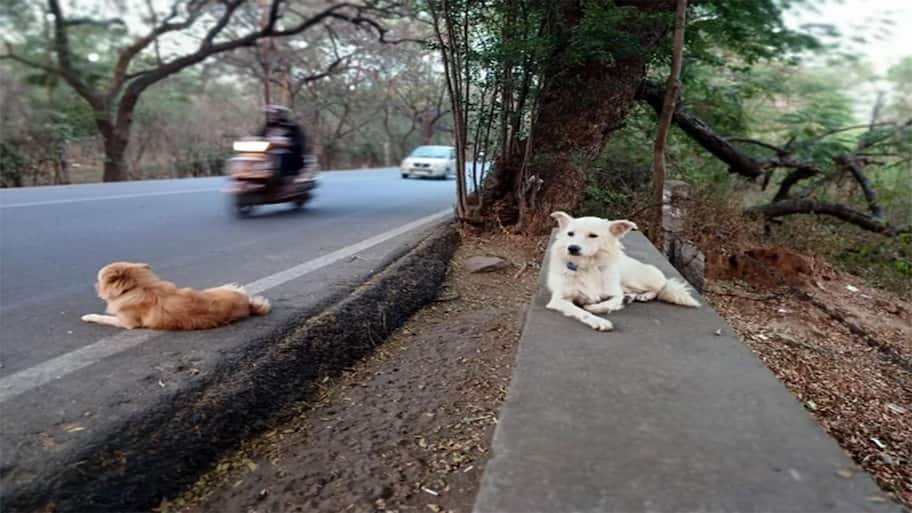
The administration and municipal bodies have taken a strict stance on the increasing trend of abandoned pets in urban areas due to their hobby, illness, increasing age or aggressive behavior. Many times people buy puppies or foreign breed dogs with great enthusiasm, but when the responsibility for their vaccination, food or medical expenses increases, they silently throw them abandoned on a deserted road or intersection in the dark of night. To stop this irresponsible and inhumane attitude, municipal corporations and animal welfare boards have made the rules extremely stringent. Now, for leaving a pet unattended, a heavy fine of up to Rs 25,000 will be imposed on the owner and the owner will be identified within minutes from the digital data of the ‘microchip’ implanted in the pet’s body.
Under the new system, now not only paper registration of pets is mandatory, but it is also being made mandatory to implant RFID based sub-cutaneous microchip in their body. This bio-compatible chip, the size of a grain of rice, is implanted by the veterinarian under the loose skin of the animal’s neck. A unique 15-digit identification number is recorded in this microchip.
When the municipal corporation’s dog catcher team or animal rights activists find an abandoned dog or cat wandering on the road, they scan the neck of the animal with the help of a handheld scanner. As soon as the chip code is generated on the scanner, the complete details of the owner open on the Municipal Corporation’s centralized pet registry portal—which includes the owner’s name, mobile number, Aadhaar link and permanent home address. The owner cannot escape from this by making the excuse that the animal is not his.
As soon as the identity is established from the microchip database, the concerned body will send a formal notice to the owner and a fine of Rs 25,000 will be charged directly. If the owner refuses to pay the fine or is confirmed to have left the pet to die with deliberate cruelty, a criminal case will be filed against him with the police under the Prevention of Cruelty to Animals Act, 1960 and relevant sections of the Indian Justice Code (BNS).
Under this legal provision, there is a provision for punishment ranging from three months to jail along with fine. Additionally, the person’s name will be ‘blacklisted’, preventing them from ever legally adopting another pet from an accredited breeder, shelter or institution in the future.
The biggest reason behind the administration taking such strict steps is the rapidly increasing threat of stray dog attacks and rabies in cities. When domesticated dogs (especially breeds such as Labrador, Pitbull, Rottweiler or German Shepherd) are suddenly thrown out onto the streets, they are not trained to survive on the street and gather food. Due to hunger, thirst, attacks by other stray dogs and fear, they become extremely aggressive and unsafe.
Due to this, they carry out violent attacks on children, elderly people, cyclists and pedestrians walking on the streets. Apart from this, animals left without vaccination become carriers of deadly diseases like rabies, which puts the safety of the general public at risk.
Municipalities ranging from metro cities to tier-2 cities (like Delhi-NCR, Lucknow, Mumbai, Bengaluru, Chandigarh and Pune) have issued strict guidelines regarding pet ownership:
-
Compulsory Licensing: Registration and annual renewal of every pet dog and cat on the Municipal Corporation’s online portal is mandatory.
-
Complete Vaccination Card: License will not be issued without records of Anti-Rabies Vaccination (ARV) and core-vaccine.
-
Essentials of Microchipping: The license will be approved only when the microchip certificate issued by a registered veterinary doctor is uploaded.
-
Leashes and scoopers in public places: It will be the responsibility of the owner to tie the leash while walking the pet and to clean the mess after defecation, for violation a challan will be issued on the spot.
If a family is unable to care for their pet due to a family, health or financial crisis, they should follow the legal process instead of dumping it on the street. Owners can approach shelter homes run by the municipal corporation of their city, recognized non-governmental animal welfare organizations (NGOs) or authorized animal adoption centres. There the pet can be surrendered after completing the proper paperwork and paying the adoption fee, so that it can be adopted by another responsible family.