 look news india

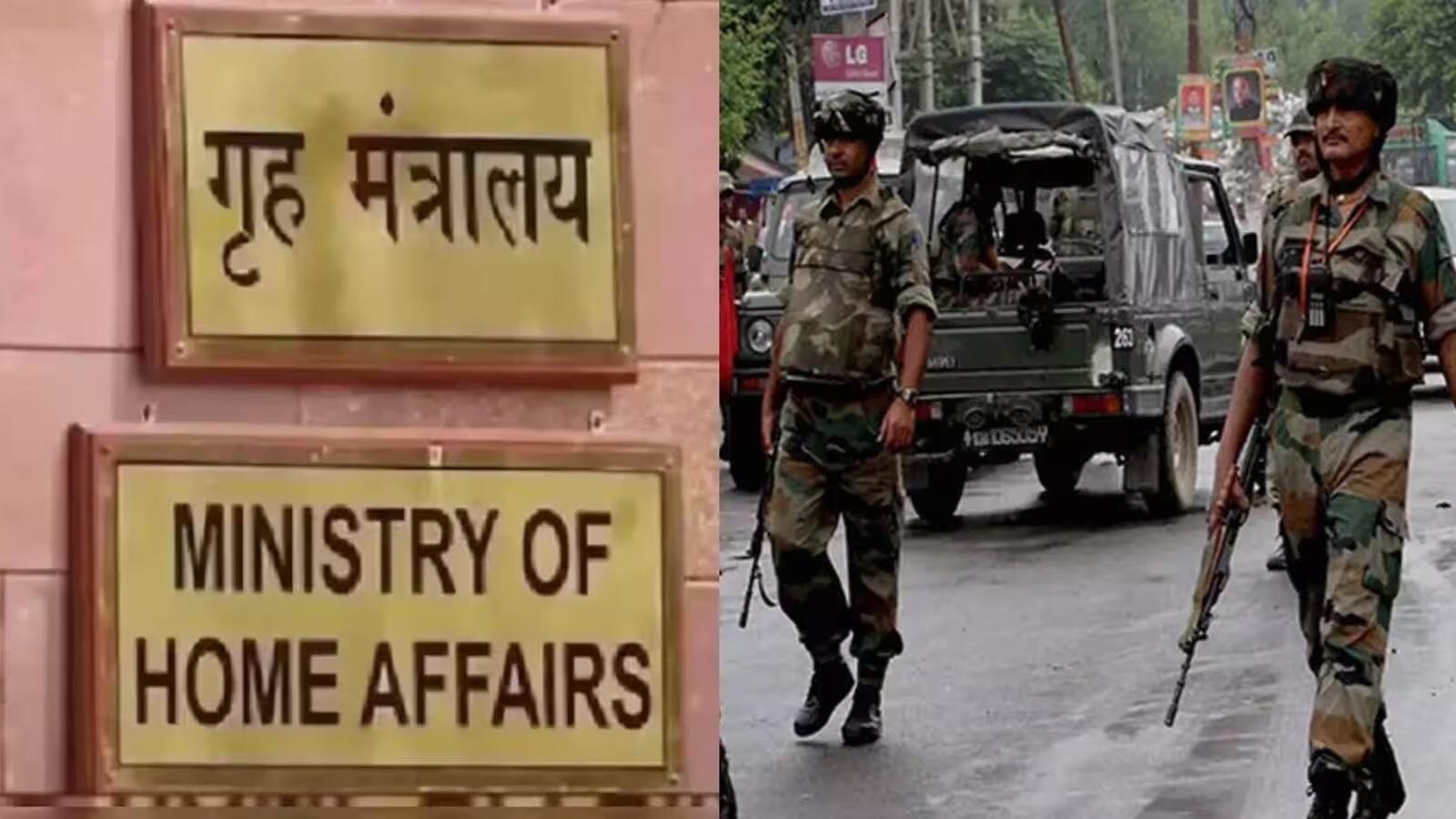
A big news related to the security and sensitive areas of North-East India is coming out, where the Central Government has extended the duration of the Armed Forces (Special Powers) Act i.e. AFSPA (Armed Forces Special Powers Act) for the next six months to maintain law and order in the disturbed areas. According to the official notification issued by the Union Home Ministry, this extension will be applicable mainly in select sensitive and disturbed districts or police station areas of Manipur, Nagaland and Arunachal Pradesh. This strong and strategic step has been taken keeping in mind the ongoing ethnic tension, activities of local militant organizations and security challenges in some North-Eastern states for some time. This decision of the Government makes it clear that the Central Government is in no mood to show any laxity in ensuring lasting peace, national security and safety of civilians in the border states, and necessary legal protection and privileges will continue to be given to the security forces.
AFSPA has a decades-long history in these northeastern states, and under this law, security forces (Army and Assam Rifles) get special powers to conduct search operations, arrest without warrant and use force if necessary against terrorists, militants and anti-national elements in disturbed areas. However, in the last few years, due to continuous peace talks, surrender campaigns and development-oriented policies of the Central Government, this law has been gradually removed completely or partially from many parts of the North-East. But at present, sporadic incidents of ethnic conflict and violence are still being reported in some sensitive areas of Manipur, due to which the government has had to take this precautionary step on the recommendation of the local administration and security agencies so that the law and order in the state does not go out of hand.
Which areas of Manipur, Nagaland and Arunachal Pradesh will be affected?
According to this new notification of the Home Ministry, AFSPA continues to be extended to the hill districts and sensitive areas along the Myanmar border except some parts of Imphal Valley in the state of Manipur. Due to the long-running ethnic tension between the majority Meitei and Kuki communities in Manipur, it is considered extremely imperative to maintain the deployment of security forces. Similarly, the validity of this Act has also been extended in many districts of Nagaland and districts like Changlang, Tirap and Longding of Arunachal Pradesh and some police station areas bordering Assam. The administration has said that it is necessary for the army and security forces to have special powers to crack down on activities like underground insurgent groups and illegal arms smuggling in these areas.
Regional peace, human rights debates and future strategic challenges
While on the one hand the imperative of security has always been argued regarding the expansion of AFSPA in the North-Eastern states, on the other hand, concerns have also been expressed from time to time by the local civil society and human rights organizations regarding some of its provisions. However, the Central Government and the State Governments have always maintained that the interests of national security cannot be compromised until complete peace, security and normalcy is restored in the region. The Home Ministry is constantly reviewing whether AFSPA will be completely removed from these parts of the country as the situation becomes normal. For the time being, the continuation of this law for the next six months will provide full legal freedom to the security forces to take decisive action against terrorism and extremism, which will help in curbing the designs of separatist forces in the region.