 look news india

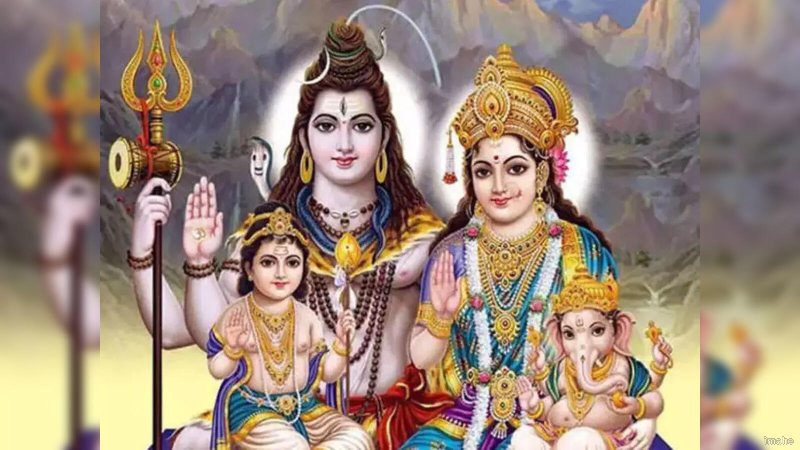
In Sanatan Dharma, almanac and fasts and festivals have been considered to have special importance, in which Pradosh Vrat has been said to have a very important and fruitful place. According to the Hindu calendar, Pradosh Vrat dedicated to Lord Shiva is observed on Trayodashi tithi of every month. There is a lot of confusion and dilemma in the minds of the devotees regarding the day on which this last Pradosh fast of Bhadrapada month will be observed, whether the fast should be observed on 23rd September or 24th September. To remove the doubts about this date, the famous acharyas of the country’s leading astrological and religious center Ujjain have shared complete information about the exact date, rules of fasting and auspicious time for worship based on clear calculations. If you also want to get the blessings of Lord Bholenath and Mother Parvati, then it is very important for you to know the right time and worship method of Pradosh Vrat.
This holy fast of worshiping Lord Shiva not only removes all the troubles of the devotees, but also gives them mental peace, good health and infallible virtue. Pradosh Kaal i.e. the time just before and after sunset is considered best for worshiping Lord Shiva. Moving towards the end of Bhadrapada month, this last Pradosh fast also becomes special because by observing fast on this day, one gets the full benefit of the special grace of Shiva received during Chaturmas. Let us know that according to the learned Acharyas of Ujjain, what is the actual and scripture-based date of Pradosh Vrat this time and on which day observing the fast will be most fruitful.
Acharya of Ujjain cleared the doubt: Know the correct date between 23rd or 24th September
Due to variation in Trayodashi dates of Shukla Paksha or Krishna Paksha of Bhadrapada month, confusion often arises regarding the dates of fasting. Well-known astrologers and almanacists of Ujjain have thrown light on this topic in detail and said that it is most important to follow the rules of Udaya Tithi and Pradosh Vyapini Trayodashi. According to Acharya, if Trayodashi Tithi extends till Pradosh Kaal (evening time), then the fast on the same day is considered the best. According to the accurate calculation of the Panchang, the complete situation on which date the last Pradosh fast of Bhadrapada month will be valid this year based on the position of the Sun and the transit of the Moon has been made clear so that the devotees do not have to face any kind of dilemma in the worship.
Scholars say that in the scriptures, Pradosh period has been considered the main basis for Pradosh fast. If on any day Dwadashi ends and Trayodashi Tithi starts in the evening i.e. around sunset or continues throughout the Pradosh period, then that day is best for fasting. Therefore, those who had doubts about September 23, should observe their fast as per the correct rules of the Panchang so that they can get the full reward of their worship. Acharya has also advised that the resolution of the fast should always be taken on the correct date and auspicious time as prescribed by the pundits so that any kind of religious error can be avoided.
The success of any fast and ritual depends on its correct timing. Pradosh Vrat puja is always performed during Pradosh Kaal, which starts approximately 45 minutes before sunset and continues till 45 minutes after sunset. During this special period, Lord Shiva sits in a happy posture on Mount Kailash with his entire family i.e. Mother Parvati, Lord Ganesha, Kartikeya and Nandi Ji. By the worship done during this period, all the wishes of the seeker are fulfilled soon. According to the Panchang, on this last Pradosh fast of Bhadrapada, the evening time will be very energetic and auspicious, in which consecration of Lord Shiva is considered especially auspicious.
At the time of puja, the devotees should take bath in the evening and wear clean clothes and before the Pradosh period starts, they should make complete preparations for the puja in their home temple or any Shiva temple. During Pradosh period, Jalabhishek, Rudrabhishek of Lord Shiva, and Belpatra, Dhatura, Aak flowers, sandalwood, incense sticks and naivedya should be offered. On this day, continuously chanting ‘Om Namah Shivay’ Mahamantra and listening to the story of Pradosh Vrat gives very auspicious results. At the end of the puja, one should perform aarti of Lord Shiva and seek forgiveness for one’s mistakes and wishes for the happiness and prosperity of one’s family.
Pradosh Vrat is considered to be slightly different and has special rules compared to other fasts. Devotees observing this fast should wake up early in the morning and take bath and remember Lord Shiva in their mind throughout the day. Food is not consumed on this day, and those who are not able to keep a complete Nirjala fast can keep the fast by consuming fruits or only milk and water. On the day of fasting, one should stay away from any kind of untruth, anger, debate or negative thoughts, because Lord Shiva is most pleased with the devotion done with a pure mind and true feelings.
Apart from this, on the day of Pradosh Vrat, activities like cutting hair and nails should be avoided and the rules of celibacy should be strictly followed. After sunset, one should once again take bath or wash hands and feet and wear clean clothes and sit in the worship of Pradosh Kaal. Food or fruits should be consumed only after the puja is completed. Those who follow all these rules properly, they get immense blessings of Mahadev and all the troubles and obstacles in their life end forever.
In Sanatan tradition, Pradosh Vrat is considered the easiest path to attain Lord Shiva and his blessings. It is believed that a person who worships Shiva and Parvati with a true heart by following the rules of Pradosh Vrat, has no fear of untimely death and all the sins of his life are washed away. This last Pradosh Vrat of Bhadrapada month is especially important as it falls in the middle of Chaturmas, because during these four months Lord Vishnu is in Yoganidra and the operation and preservation of the universe is considered to be exclusively in the hands of Lord Shiva. During this period, by worshiping Shiva, the seeker attains eternal virtue and all his wishes are fulfilled.