 look news india

The bus services of Delhi Transport Corporation (DTC), one of the strongest links of public transport in the country’s capital Delhi, have been badly affected due to the strike of contract drivers. Lakhs of daily commuters are facing huge problems at various areas, bus stops and major terminals of Delhi due to sudden traffic jam by thousands of contracted drivers operating the new electric buses. During the morning rush hour, people going to offices, colleges and schools were seen standing on the roads for hours waiting for buses.
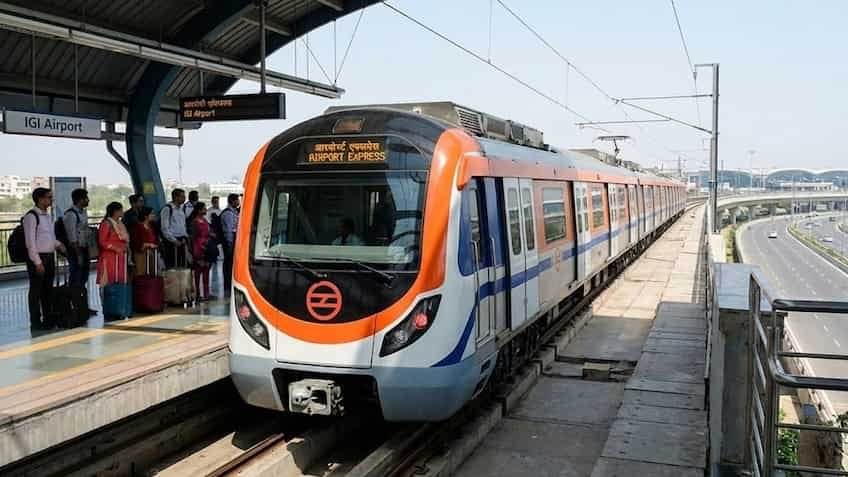
In view of this unexpected crisis on road transport, Delhi Metro Rail Corporation (DMRC) has immediately taken command. The Metro administration has taken a major decision to increase 20 additional train trips and de-track 8 additional trains across the entire Metro network to control the huge crowd and additional pressure of passengers. This prompt step has provided millions of passengers stranded on the road with a convenient, safe and timely option to reach their destination.
Realizing the seriousness of the situation, Delhi Metro Rail Corporation has made immediate changes in the operational arrangements. According to the official statement of DMRC, due to stoppage of bus services, a large number of passengers are turning to metro stations. To avoid any kind of chaos on platforms and inside trains due to crowding, 20 additional trips have been added on various corridors of the network with immediate effect.
Along with this, the Metro administration has clarified that this special arrangement is not for just one day, but will continue till the situation becomes normal. As per the requirement, from 8:00 am to 8:00 pm, 8 additional trains are being kept in reserve and are being put on the line as per requirement. Relief is being provided to passengers by increasing the frequency of these additional trains, especially during morning and evening peak hours when passenger pressure is highest.
About 6,500 DTC and cluster buses ply the roads in Delhi every day, through which more than 60 lakh people travel daily. In such a situation, the protest by contract drivers is directly impacting the lifeline of Delhi. The protesting drivers say they are operating new electric and CNG buses through private concessioners and contractors, but they are being denied basic labor rights.
The main demands of the drivers include the following points:
-
Respectable increase in daily wages: The drivers allege that they are being forced to operate heavy vehicles in unskilled or at minimum wage rates (about ₹862 per day), which is far below their risky responsibilities.
-
Medical and ESI facilities: In case of any illness or accident, drivers and their families should be provided health insurance and cashless treatment facilities.
-
Overtime and Social Security: Transparent overtime payments, provident fund (PF) and paid leaves should be given for working more than the prescribed hours.
-
Ban on accident and breakage penalty: The system of deducting compensation from the salaries of drivers for any minor technical fault in the bus or dents and scratches on the road should be immediately canceled.
Union leaders have made it clear that the peaceful chakka jam will continue until the government and private operators give concrete written assurance on their legitimate demands.
The absence of buses from the roads had a direct impact on the people traveling between Delhi, Noida, Ghaziabad, Gurugram and Faridabad. Long queues of passengers were seen at major bus stands like Kashmiri Gate, Anand Vihar, Sarai Kale Khan, Uttam Nagar, Badarpur, Rohini and Dhaula Kuan. Taking advantage of the situation, auto rickshaw, e-rickshaw and cab drivers in many areas started charging double to triple fare from passengers in the name of surge pricing.
School going children and their parents also faced immense inconvenience as the transport routes of many private and government schools were dependent on the operation of DTC buses. The coming forward of Delhi Metro at such a time of crisis proved to be no less than a big boon for the common citizens, especially the daily commuters of the low and middle income group.
Taking cognizance of this disruption in the transport system, Delhi’s Transport Minister has made an emotional appeal to the striking drivers to return to work in public interest. He said that the government is fully ready to listen to all their legitimate concerns and find a solution by negotiating with private concessionaire companies, but essential services should not be held hostage by holding common citizens hostage.
At the same time, Delhi Metro Rail Corporation has issued a special travel advisory for passengers:
-
Early travel planning: There is likely to be more crowd at the ticket counters and security checks (CISF Frisking) at the stations, so leave home with an extra 15 to 20 minutes.
-
Use of Digital Ticketing: To avoid queues, use DMRC Saarthi App, WhatsApp ticketing or National Common Mobility Card (NCMC) and smart cards so that time is not wasted at token counters.
-
Avoiding peak hours: If possible, prefer to travel during off-peak hours rather than during peak hours (9 am to 11 am and 6 pm to 8 pm).
This quick response of Delhi Metro proves how a modern Mass Rapid Transit system acts as the backbone of any metropolis in times of crisis.