 look news india

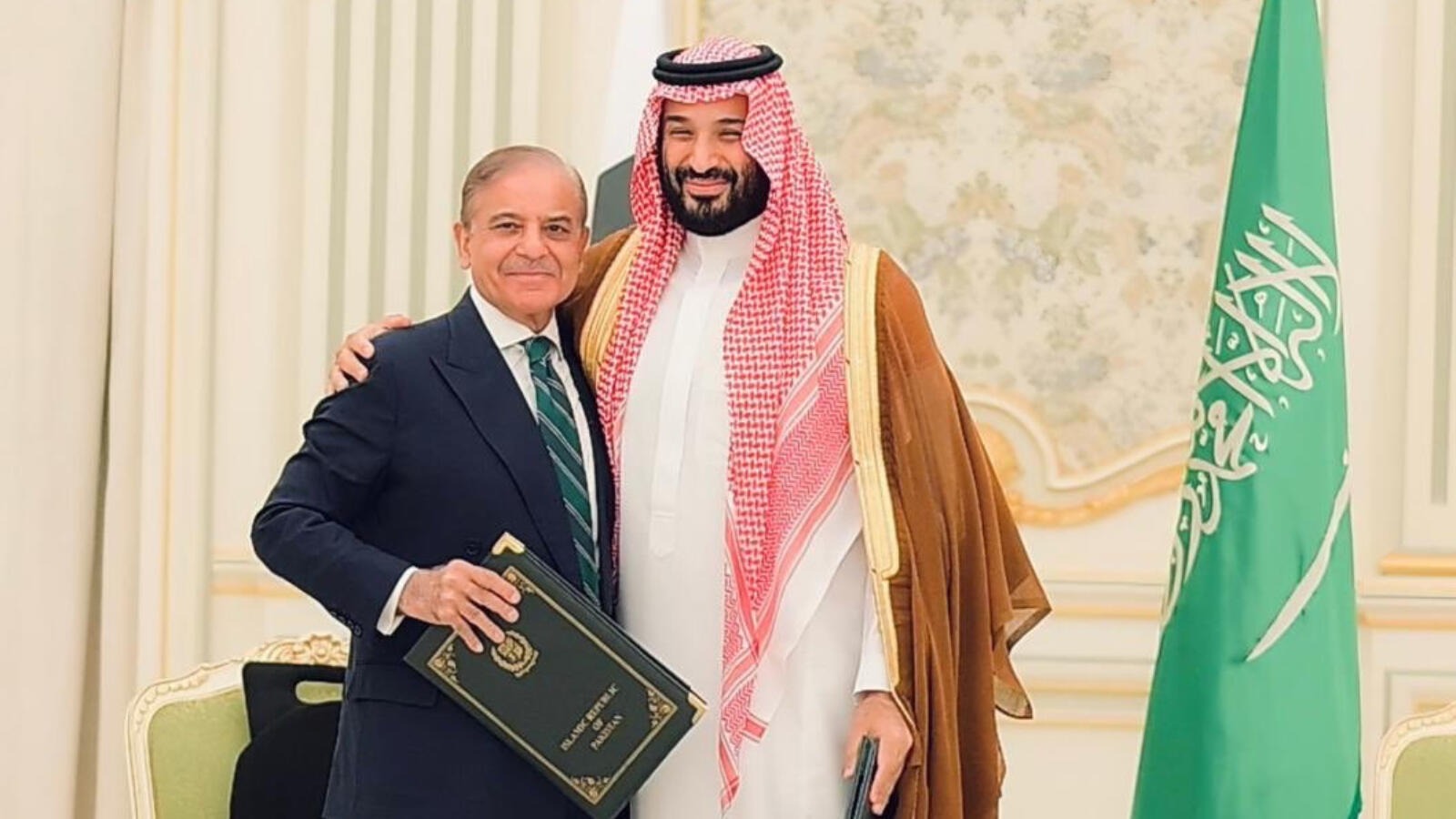
Amidst the changing geopolitical circumstances and diplomatic maneuvers in the Middle East, a major stir has once again intensified regarding the relations between Pakistan and Saudi Arabia. Recently, strategic reports had emerged that Pakistan secretly or diplomatically committed strategic betrayal with the Saudi Arabia-led coalition in the ongoing military conflict against Yemen’s Houthi rebels, which had deeply angered the rulers in Riyadh. Realizing the threat to its credibility and decades-old economic support in the Gulf countries, Islamabad has now come into full ‘damage control’ mode. In this series, Pakistan’s Prime Minister Shehbaz Sharif has directly called Saudi Arabia’s powerful Wali Ahad i.e. Crown Prince Mohammed bin Salman (MBS) and requested him to end the bitterness in relations and restore the old strategic closeness.
In Gulf politics, Saudi Arabia has long been engaged in protecting its security borders through Yemen, where Iran-backed Houthi rebels have been continuously launching missile and drone attacks on Riyadh targets. In this hour of crisis, when Saudi Arabia expected complete solidarity from its traditional and defensive allies, the so-called dual diplomacy adopted by Pakistan complicated the situation. Initially, Pakistan formally claimed Saudi support, but behind the scenes, its military and some policy decisions indirectly weakened Riyadh’s military action against the Houthis. The discussion started gaining momentum in the diplomatic circles of the Middle East that Pakistan, grappling with its domestic political and economic crises, no longer wanted to take the risk of directly angering Iran and its regional allies, due to which it had committed a kind of strategic betrayal by going against Saudi Arabia.
In the deep and terrible financial crisis that Pakistan’s economy is currently going through, the role of Saudi Arabia is no less than a lifesaver. Whenever Pakistan’s foreign exchange reserves start going into the abyss, Saudi Arabia is the only country which saves Pakistan’s sinking boat through billions of dollars of bailout package, borrowed supply of oil and cash deposits in the Central Bank. When the Shahbaz Sharif government realized that its diplomatic moves in the case of Houthis had angered Crown Prince Mohammed bin Salman, the rulers of Islamabad were in panic. Pakistan knows very well that if Saudi Arabia closes the doors of its economic aid or withdraws its investments related to Pakistan, the country can become completely bankrupt within a few weeks. Due to this great fear, Prime Minister Shehbaz Sharif immediately made diplomatic calls without any delay and started taking the initiative to settle the grievances with Riyadh.
In this high-level telephonic conversation between Saudi Arabia’s Crown Prince Mohammed bin Salman and Pakistan’s Prime Minister Shehbaz Sharif, serious discussions were held on regional security, defense cooperation and economic partnership. According to Pakistani media and diplomatic sources, Shehbaz Sharif has tried his best to assure MBS that Pakistan stands like a rock with Saudi Arabia’s territorial integrity and sovereignty under all circumstances. The Prime Minister reiterated Pakistan’s commitment to Saudi interests amid security challenges in Yemen and the Red Sea region, in order to allay the apprehensions in Riyadh’s mind that had arisen due to recent decisions. However, the Saudi leadership has given strong diplomatic messages during these talks and made it clear that double standards in strategic matters will no longer be accepted and to maintain friendship, it is necessary to maintain trust at the grassroots level.
On one hand, Pakistan is trying hard to save its old relations with Saudi Arabia, while on the other hand, India’s growing diplomatic and economic hold in the Middle East is giving sleepless nights to Islamabad. Today, the graph of defence, anti-terrorism cooperation, energy partnership and technological exchange between India and Saudi Arabia has reached a very high level. The personal chemistry between Crown Prince Mohammed bin Salman and Indian Prime Minister Narendra Modi has increased India’s influence in the Gulf countries manifold. In such a situation, when Pakistan finds itself isolated from Saudi diplomacy due to Yemen or Houthi conflict, it starts fearing that Saudi Arabia may completely sideline India by giving preference to India in its strategic priorities. This latest damage control effort by Shehbaz Sharif is not just a phone call, but a forced step born out of the fear of losing his relevance in regional diplomacy, the far-reaching consequences of which will determine Pakistan’s foreign policy in the days to come.