 look news india

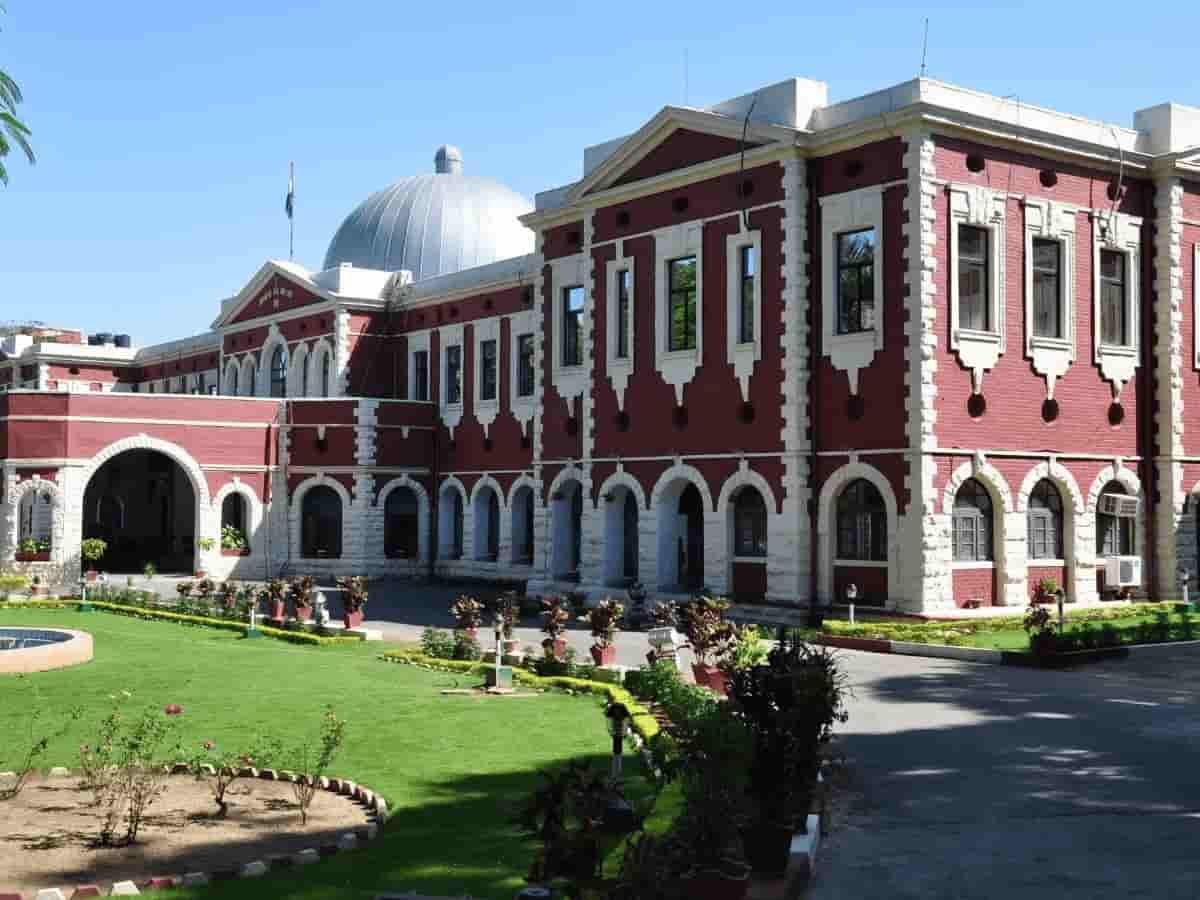
A very important and far-reaching decision has emerged in the history of the Indian justice system and family rights, which has brought a new ray of hope to millions of daughters across the country who are going through the legal struggle to get jobs on compassionate grounds after the death of their parents. Jharkhand High Court, while hearing an important and sensitive case, has clearly ordered that if a daughter is married, her legal right to compassionate appointment cannot be taken away on this basis alone. Taking this tough stance, the court has given strict instructions to the Coal Mines Provident Fund Organization (CMPFO) to issue appointment letter to the married daughter of the deceased employee within just eight weeks. This historic decision has dealt a big slap to the conservative and narrow administrative thinking, in which it was believed that after marriage, a woman’s economic or social dependence on her maternal home and parents ends. This comment of the High Court has proved that in the eyes of the law, the daughter, whether married or unmarried, has equal right to take responsibility of the family.
Jharkhand High Court’s tough stance: Husband’s income does not end dependence on father.
This entire case was heard in the court of Honorable Justice Deepak Roshan of Jharkhand High Court, where the court completely rejected the argument of the employer’s organization in which it was said that the woman’s husband has his own income and hence she cannot be considered dependent on her father. The court, in its detailed judgment, laid special emphasis on the fact that if a woman was financially dependent on her late father during his lifetime and at the time of his death, and has no other independent or permanent source of income, her claim for compassionate appointment cannot be rejected merely because she gets married. During the hearing, the court also took cognizance of the fact that the petitioner woman lives with her sick and helpless mother and takes full care of her. The court has termed the employer’s organization’s argument of ending dependency on the basis of husband’s nominal income as wrong and unfair, thereby sending a message that the administrative bodies should also adopt a humanitarian approach while settling the cases.
Father died in 2013, the matter was entangled in administrative red tape since 2017.
This entire legal struggle is thirteen years old, which presents a classic example of administrative laxity and misinterpretation of rules. Arjun Prasad, who was working as an assistant in the coal mine located in Dhanbad, Jharkhand, died untimely during his service on 25 November 2013. After the sudden death of the father, a mountain of grief fell on the family and his widowed wife proposed that their daughter be given a job on compassionate grounds to manage the financial condition of the family. However, Coal Mines Provident Fund Organization (CMPFO) officials in July 2017 rejected the application of the eligible daughter on the mere childish and narrow ground that she was married. After this, to get justice, the victim’s daughter approached the Jharkhand High Court in the year 2023. The court allowed it to apply afresh, but the administrative obstruction did not stop here and during the hearing of the contempt petition, the organization once again rejected its claim in February 2024. Ultimately, the woman again filed a petition in the High Court, after which justice prevailed.
Mother became unwell due to kidney donation, brothers turned away and daughter took responsibility of the family.
The human aspects of this case shocked even the court. Petitioner’s advocate Ratnesh Kumar, while placing very poignant and real facts before the court, said that the woman’s elderly mother is completely incapable of doing any kind of physical labour. The main reason for this was that during her illness, the mother had donated one of her kidneys to save her husband (the petitioner’s father), due to which her own health had become weak. Apart from this, both the sons of the family (sons of the deceased) had clearly refused to take the responsibility of their ailing mother and were living their lives apart from the family. In such a difficult and pathetic situation, after the death of her father, only this married daughter has taken the entire responsibility of taking care of her elderly mother. At present, mother and daughter are somehow living their lives with the help of only a modest family pension. On the contrary, advocate Prashant Singh, appearing for CMPFO, had argued that since the daughter was married at the time of her father’s death, her husband was an earner and she also had brothers, hence she could not be considered a complete dependent, which was rejected by the court.
Another major milestone towards gender equality and women empowerment
Legal experts and human rights activists have described this decision of Jharkhand High Court as a huge and revolutionary step towards gender equality and women empowerment in Indian society. It is often seen that the rules of compassionate appointment in government departments or private institutions are designed or interpreted in a way that promotes patriarchal thinking. This judgment has made it clear that marriage does not take away the civil, familial and compassionate capabilities and rights of any woman. If a son is able to take care of his parents and be entitled to their employment, a daughter—even if married—can support her family with equal rights. After this clear direction of the court, now CMPFO will have to complete all the formalities and hand over the appointment letter to the petitioner woman within eight weeks, which will not only provide permanent financial support to a helpless family, but a strong legal basis of justice has also been created for other daughters of the country.