 look news india

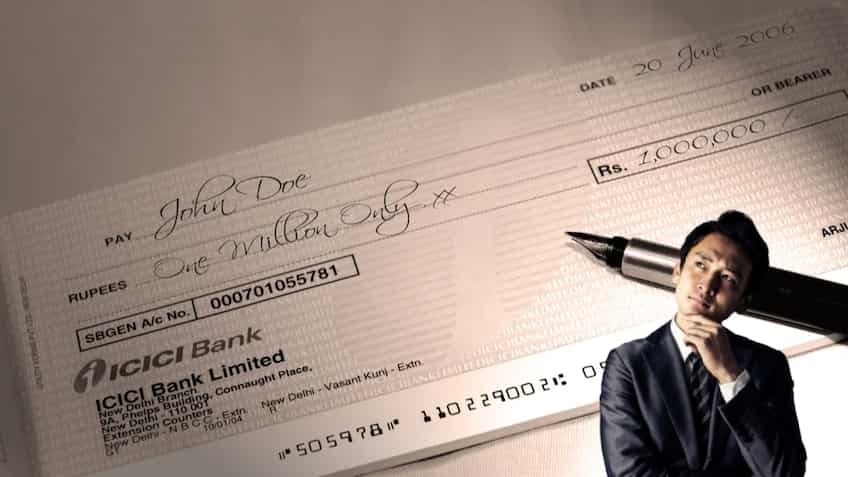
Even in the era of digital banking and UPI, transactions through checks are considered the most official and legally binding medium. But just think, what would happen if your entire check book or any one signed check from it suddenly falls somewhere or is stolen? A checkbook falling into the wrong hands is a sign of great financial danger. Fraudsters can withdraw your hard-earned money from your bank account in a matter of minutes by forging signatures or by manipulating the details written on the cheque.
If your checkbook has also been lost, then instead of panicking, take some important steps immediately so that your account can be completely protected from any kind of unauthorized transaction.
In case of loss of a check book, your first and foremost priority is to immediately stop the payment of all unused checks in that check book.
-
Use of Mobile Banking and Net Banking: Login to your bank’s official mobile app (like SBI YONO, HDFC MobileBanking, iMobile etc.) or net banking. Go to ‘Cheque Management’ or ‘Service Requests’ section and ‘Stop Payment of Cheque’ Or ‘Revoke/Block Entire Check Book’ Select the option. There, enter the check number series of the lost check book (e.g. check number 000101 to 000125) and stop payment immediately.
-
Call Bank Customer Care: If internet access is not available, immediately call your bank’s 24×7 authorized toll-free customer care number. Get your identity verified (IVR/TPIN) and request the executive to apply ‘Stop Payment’ with immediate effect on the entire check book or specific check numbers.
Even after making stop payment through digital medium, it is necessary to go to your bank branch (home branch) and complete the formal process.
-
Written Application: Give a written letter addressed to the Branch Manager, clearly mentioning the account number, date of issue of check book and the exact series of the lost cheques.
-
Protection against unauthorized withdrawal: After the written information is entered in the bank records, if a person presents a forged cheque, the bank system will not clear it. Keep an acknowledgment of the application (Acknowledged Copy / Receiving) safe with you, which will become the biggest evidence of your defense in case of any legal dispute in future.
If you suspect that the checkbook is not lost but has been deliberately stolen, or your signature was already on it, immediately consult the police.
-
Enter NCR/GD: Visit your nearest police station and lodge a Non-Cognizable Report (NCR/GD) of check book theft or missing.
-
Online Portal: Online facility for filing ‘Lost & Found’ report is available on police websites and mobile apps of many states.
-
Submit the copy in the bank: Deposit a copy of the police report in your bank. This is important because if the fraudster tries to file a fake case against you under Section 138 of the Negotiable Instruments Act (NI Act) by bouncing the cheque, the police report will prove that the check was lost and was not issued by you.
The ‘Positive Pay System’ launched by RBI is the most modern security shield to avoid check fraud.
-
What are the rules: Under this system, whenever you issue a check of ₹ 50,000 or more than ₹ 5 lakh to someone, you have to inform the bank in advance 6 key details of that check (check number, date, beneficiary name, account number and amount) through net banking, mobile app, SMS or ATM.
-
Protection from fraud: When that check reaches the bank for clearing, the bank matches it with the data you provided earlier. If any of the information does not match, the check is rejected. Always keep Positive Pay service enabled on your bank account.
Always follow basic financial security rules to avoid the risk of check fraud in the future:
-
Never keep a blank signed cheque.
-
While writing the name and amount on the cheque, do not leave any space between the words and put ‘Only / /-‘ at the end of the name and amount.
-
While cutting a check in the name of a person, always write ‘Account Payee’ (A/C Payee Only) by drawing two slanting lines on the top left side so that the check money goes directly into the bank account and no one can withdraw cash from the counter.
-
As soon as you receive a new check book, note down all the check numbers on the first ‘record slip’ present in it.