 look news india

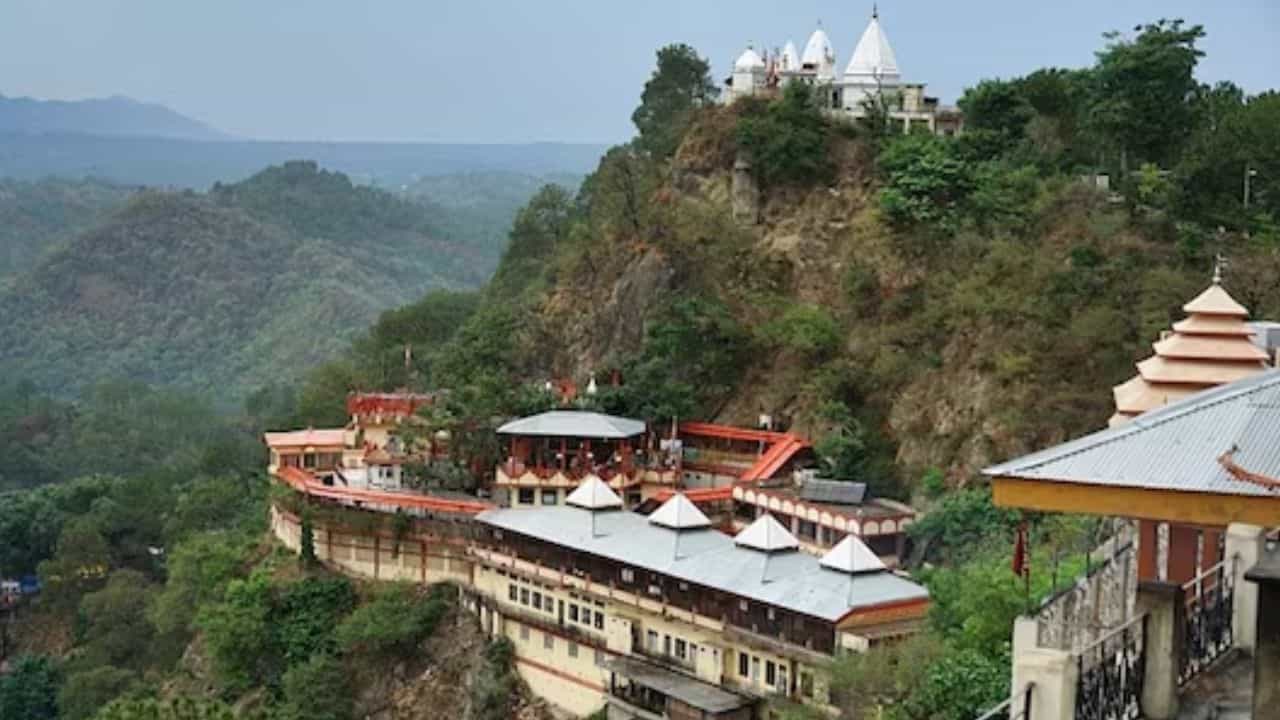
Devotees coming from India and abroad have donated wholeheartedly at the famous Shaktipeeths and religious places of Devbhoomi Himachal Pradesh. According to official information shared by the government in the Himachal Pradesh Assembly, a total of ₹419.88 crore (approximately ₹420 crore) has been received as cash offerings between January 1, 2024, and August 1, 2026, in 36 major temples under the control of the state government. This figure in the House is only of cash donations, which does not include gold, silver and other jewelery gifted by devotees.
Maximum blessings showered on Baba Balak Nath and Naina Devi temple.
According to government data, North India’s famous Siddha Peeth Baba Balak Nath Temple (Deotsiddh) located in Hamirpur remained at the forefront in terms of donation collection, where the highest offering of ₹ 99.19 crore was recorded. The famous Shri Nayana Devi Temple of Bilaspur stood at the second place, where devotees offered an amount of ₹ 86.94 crore. Apart from this, offerings worth ₹ 85.72 crore were received at Mata Chintpurni Temple in Una district and ₹ 36.57 crore were received at Shri Jwalamukhi Temple in Kangra. Along with this, donations worth crores of rupees were also recorded in Bala Sundari, Bajreshwari Devi and Jakhu Hanuman Temple of Shimla.
Where and on what items are temple funds spent?
While giving clarification on the use of the amount offered in the Assembly, it was told that this entire amount is spent only under the guidelines of ‘Himachal Pradesh Hindu Public Religious Institution and Endowment Act’. Main uses of this income:
-
Development, expansion and beautification of infrastructure of pilgrimage sites.
-
Expansion of basic facilities like drinking water, electricity, security, cleanliness, toilets and parking for the devotees.
-
Arrangement of continuous langars, organization of religious rituals and traditional fairs.
-
Payment of salaries of priests, security personnel and employees working under the temple trust.
-
It is used in the construction, operation and promotion of cow shelters for the protection of destitute animals.
What are the rules on use of temple funds in disaster relief?
The government also clarified in the House that there is no legal provision for using temple funds for natural disaster or general relief work, nor is the government considering making any such new rule. Temple funds are reserved entirely for the preservation of shrines, religious activities and welfare facilities for pilgrims.