 look news india

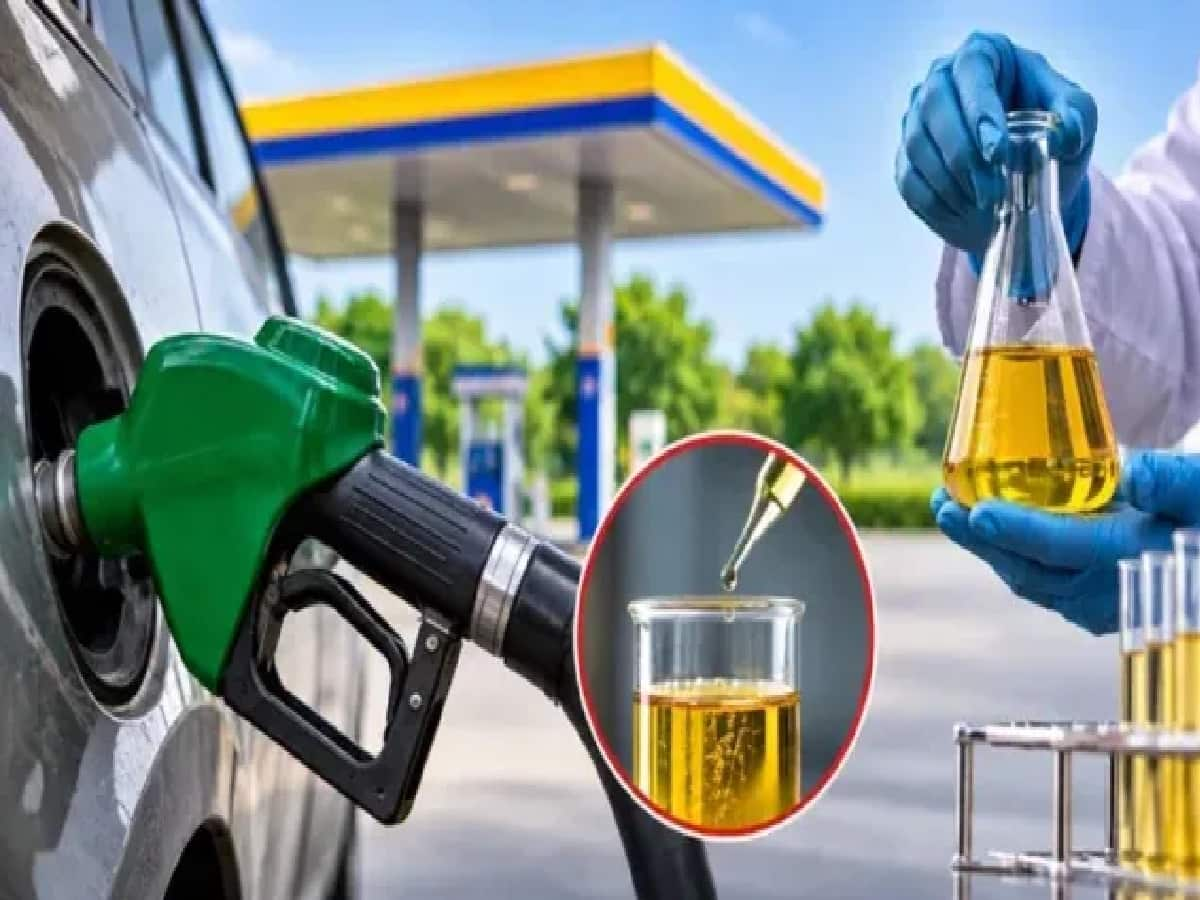
At present, a very big, important and sensational news related to environment, energy and interests of drivers is coming out from the states of South India. After Karnataka, now the government of neighboring state Kerala has also taken a very strict stance regarding excessive blending of ethanol in petrol. Amid complaints by vehicle owners and motorists across the country about engine failure and sudden drop in mileage, the Kerala government has issued a major order to start surprise inspections at petrol pumps across the state and lab testing of random samples of petrol. The main objective of this entire action is to find out whether the blending of ethanol in the fuel is not exceeding the legally prescribed maximum limit of 20 percent (E20). Let us know in detail how the Kerala administration has started this campaign and what is the real story behind this entire controversy.
Strictness of Kerala Civil Supplies Department, oil samples collected from fuel stations in Kochi and other districts
As soon as strict instructions were received from the Kerala Government, the Civil Supplies Department and enforcement teams of the state have intensified their activities with immediate effect. From the capital Thiruvananthapuram to the commercial city of Kochi, surprise raids at fuel stations located in various districts and the process of collecting E20 petrol samples have been started on a war footing.
In the same sequence, officials at a major petrol pump of Indian Oil Corporation (IOCL) located in Chembumukku area of Ernakulam district safely collected samples from several different batches of petrol in the presence of representatives of the concerned oil company. Ernakulam District Civil Supplies Officer Shaji PR, who is monitoring the entire surprise inspection process, informed the media that a total of six samples of one liter each of ordinary petrol have been collected from the IOCL pump at Chembumukku. The first two samples have been sent to the government chemical lab to check the exact quantity and quality of ethanol, and the official test report from there is now awaited.
‘Consumers have every right to know the quality of fuel’: Big statement by Food and Civil Supplies Minister Anup Jacob
Responding to this entire matter in Thiruvananthapuram, Kerala Food and Civil Supplies Minister Anoop Jacob said in clear words that the state government will not compromise with the interests of the general public and the drivers. He said that the department has given strict instructions to the officials of all the major districts of both northern and southern regions to collect random samples from petrol pumps as per the prescribed protocol and rules.
Minister Anoop Jacob stressed that all these samples collected are being sent to the certified government chemical lab of the state, and further necessary and strict legal action will be decided once the lab report is in hand. Fully supporting the issues raised by Deputy Chief Minister DK Shivakumar and ministers of the neighboring state of Karnataka, he said that today drivers from different parts of the country are complaining of sudden engine failure of their vehicles and huge decline in mileage. He also clarified that this is not a political issue, but it is the basic and constitutional right of every consumer of the country to know what ingredients have been added to the expensive fuel he is buying and whether it is exactly as per the standards set by the government or not.
Countrywide controversy started due to Karnataka’s revelations and claims of ministers
This entire controversy and sensational case suddenly came to a head on November 6 when Karnataka Minister Rizwan Arshad made public the shocking results of a comprehensive statewide audit conducted by the state government. According to official figures and investigation reports of the Karnataka government, a total of 63 petrol samples were collected from petrol pumps of major oil companies located in different parts of the state and got them lab tested.
The results that emerged in this investigation surprised everyone. According to the report, at some selected fuel outlets the ethanol content in petrol was found to range from 26 percent to 31 percent instead of the prescribed legal limit of 20 percent. Experts say that this excessive blending of ethanol can prove to be extremely harmful, especially for old vehicles and conventional engines, which can not only cause premature wear of engine parts, but the pickup and mileage of the vehicle can also be badly affected.
Central government and public sector oil companies rejected all allegations
On one hand, state governments like Karnataka and Kerala have expressed their concerns about excessive adulteration of ethanol in petrol and have intensified investigation, while on the other hand, the central government and the major oil marketing companies of the country have rejected all these claims outright. The Union Petroleum Ministry’s official stand in this matter has been that a total of 893 samples of E20 petrol have been collected from government and authorized petrol pumps in 27 states and union territories of the country and have been subjected to high level testing, and all those samples have fully met the set quality standards.
Apart from this, a joint statement has been issued by the country’s three largest public sector oil companies i.e. Indian Oil Corporation (IOCL), Bharat Petroleum Corporation Limited (BPCL) and Hindustan Petroleum Corporation Limited (HPCL). It has been clarified in this statement that the entire process of blending of ethanol into petrol is completely automated and it is done under very strict technical rules. The companies claim that there is no scope for any kind of human intervention or unauthorized tampering in this entire chain from the oil depot to the petrol pump level. However, after this step taken by two South Indian states, both the debate and monitoring regarding fuel quality and ethanol blending have intensified across the country.