 look news india

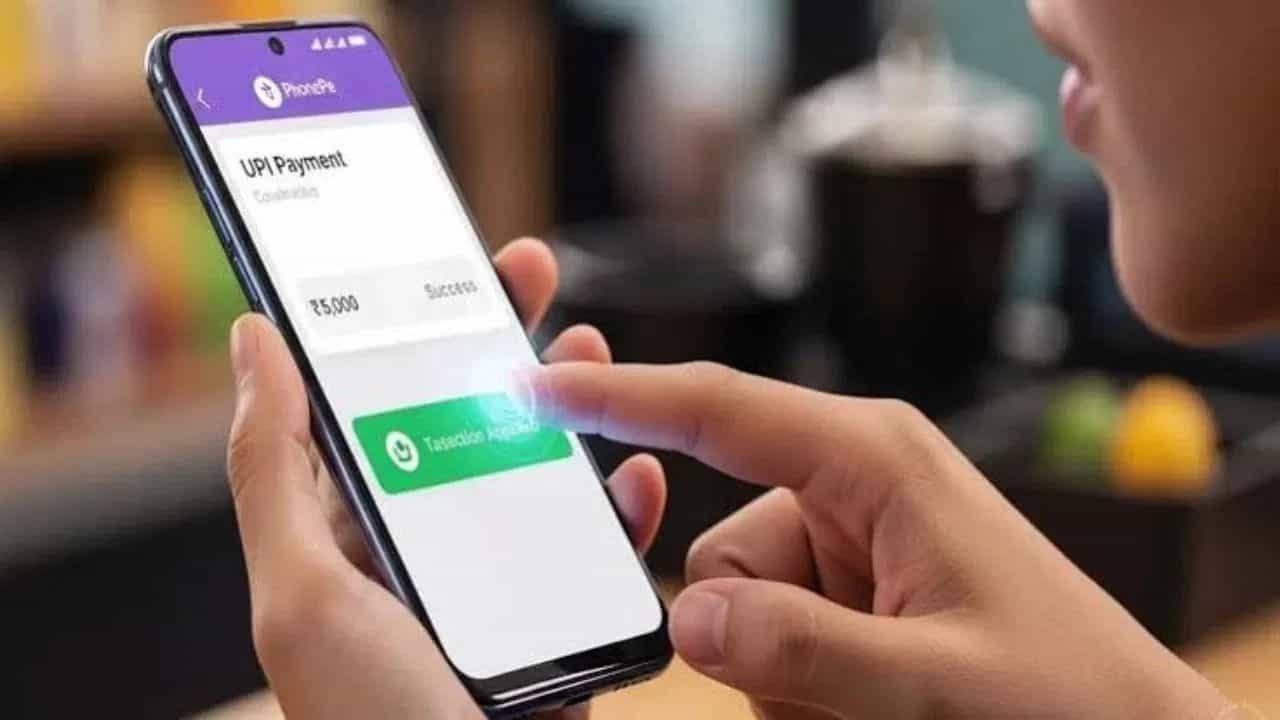
New Delhi/Lucknow. Unified Payments Interface (UPI), which has become the backbone of the digital revolution in India, has today become a daily habit of crores of citizens of the country. From vegetable shops to big shopping malls, transactions are done through UPI without any extra charges. But, now a new and big debate has started in the financial circles regarding this system. on UPI transaction Merchant Discount Rate (MDR) This means that discussions about imposing processing fees have intensified. Financial experts say that the biggest and most pressing question at present is not how digital payment companies will earn, but the real concern is who will bear the ultimate financial burden of this new MDR charge? If this additional cost is imposed on small merchants, it is sure to have a direct and negative impact on common customers, grocery stores and the rapidly growing digital payment ecosystem in the country.
What is the MDR charge on UPI and the concerns of merchants?
If understood in simple and technical language, MDR on UPI is a special processing fee which is collected from merchants by banks and payment gateway companies in return for completing any digital payment securely. Banking experts believe that banks and financial companies maintaining the infrastructure will not bear this huge expense for free for long. In such a situation, this additional financial burden can fall directly on the accounts of businessmen. Experts say that in the beginning, many big traders can bear this expense to survive in the market, but it will not be possible for small and medium traders to pay this charge from their own pocket for a long time.
Robbery will hit the pockets of common customers: services may become expensive
If MDR is implemented on UPI, the concessions given to common consumers may be completely lost:
-
Price hike: Small and retail businesses may increase the retail prices of goods and daily services to compensate for their increased operational costs.
-
End of offers and discounts: To promote digital payments, there can be a huge reduction in cashback, offers and discounts given to customers by companies and merchants.
-
Crisis on small transactions: The biggest adverse impact will be on street grocery shops, tea stalls and street vendors, who have abandoned cash and adopted UPI QR codes in recent years. If MDR is charged even on transactions of very small amounts (like ₹10 or ₹20), small shopkeepers may avoid accepting digital payments altogether.
There may be a break on the pace of Digital India, search for solution
Market analysts have warned that if shopkeepers stop taking payments through UPI or they start charging an additional two percent from customers making digital payments, then the enthusiasm of the general public towards digital payments may decrease rapidly. In such a situation, people may once again return to cash (cash transactions), which will put a brake on the pace of creating a cashless economy in the country. Experts clearly say that UPI is not just a simple payment gateway, but it is a global Digital Public Infrastructure (DPI) of India. Therefore, the government and the central bank will have to work together to find a balanced solution so that banks get the opportunity to invest in new technology and there is no new financial burden on the general public and small traders.