 look news india

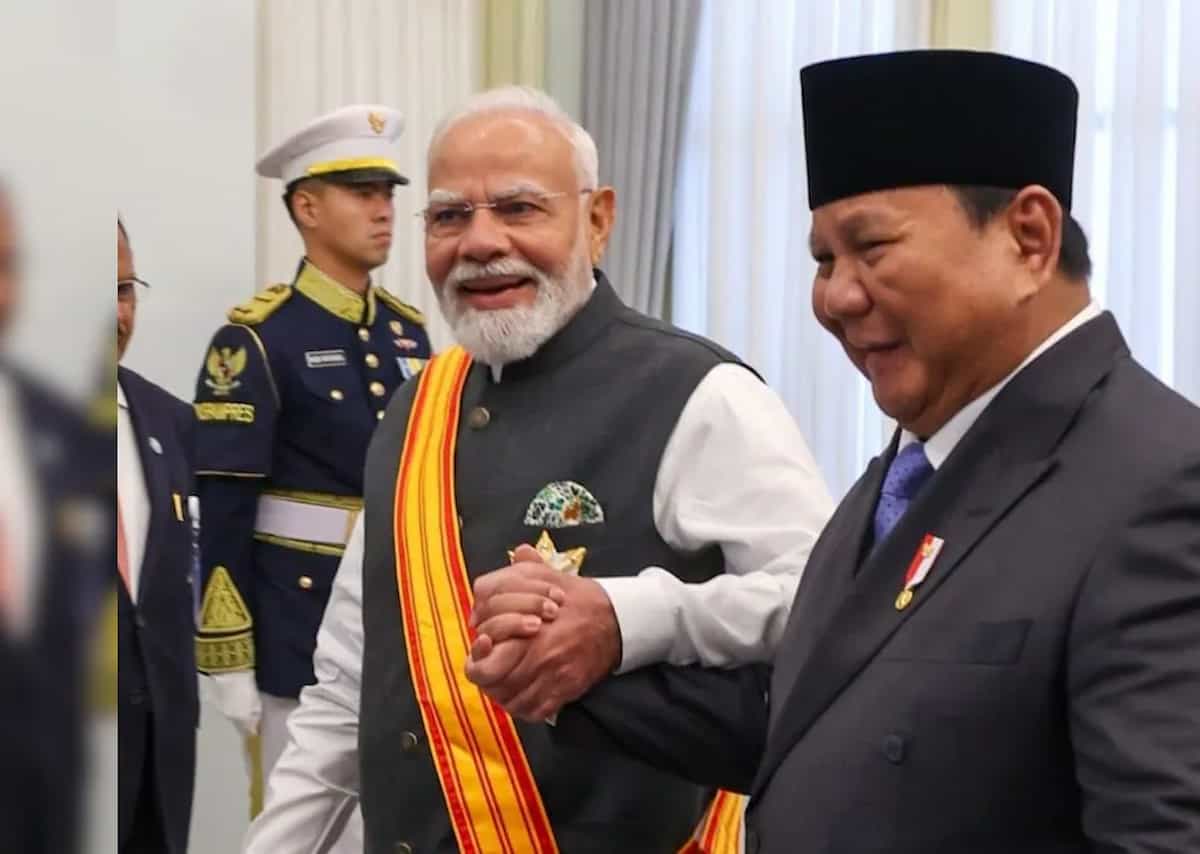
India has made a big and strategic masterstroke to curb China’s increasing interference and expansionist policies in the Indian Ocean. Now India and Indonesia together have prepared to strengthen their control over the three most important ‘choke points’ of the sea, through which most of China’s trade and crude oil supply takes place. Defense experts believe that this joint partnership between the two countries is no less than a nightmare for the Dragon, because in case of any future dispute, it will directly put China’s supply chain in the hands of India.
There will be a close watch on 3 important choke-points of the sea In terms of maritime security and global trade, the routes connecting the Indian Ocean and the South China Sea are considered extremely sensitive. Under the new strategic framework, India and Indonesia are now increasing their naval patrols and strategic presence in the Strait of Malacca, Sunda Strait and Lombok Strait. The Strait of Malacca is counted among the busiest sea routes in the world. The strong hold of both the countries on these three important choke-points simply means that in times of crisis this route can be completely monitored or blocked, which will give India a huge strategic advantage.
Why is this the biggest shock for China? Experts in defense and geopolitics call it ‘Malacca Dilemma’ in diplomatic language. In fact, China imports about 70 to 80 percent of its energy needs, crude oil and natural gas from Gulf countries through these sea routes. If India and Indonesia together keep a close watch on these routes or stop the movement during any military conflict, then overnight there will be a huge crisis of oil and ration in China. Due to lack of fuel, its entire economy and military machinery could come to a standstill. This is the reason why this joint step between India and Indonesia is increasing the concerns of the policy makers of Beijing.
India-Indonesia’s growing strategic partnership Under India’s ‘Act East Policy’, defence, trade and naval relations with Indonesia have become stronger than ever. India’s participation in the development of Sabang Port in Indonesia has given further edge to this strategy. The port is in close proximity to the strategically important Andaman and Nicobar Islands, providing the Indian Navy with a strong base throughout the region. The navies of both the countries are continuously conducting joint patrolling and exercises. This is part of India’s aggressive diplomacy in modern geo-politics, under which it is now fully prepared to respond to China in its own language instead of adopting a defensive stance.