 look news india

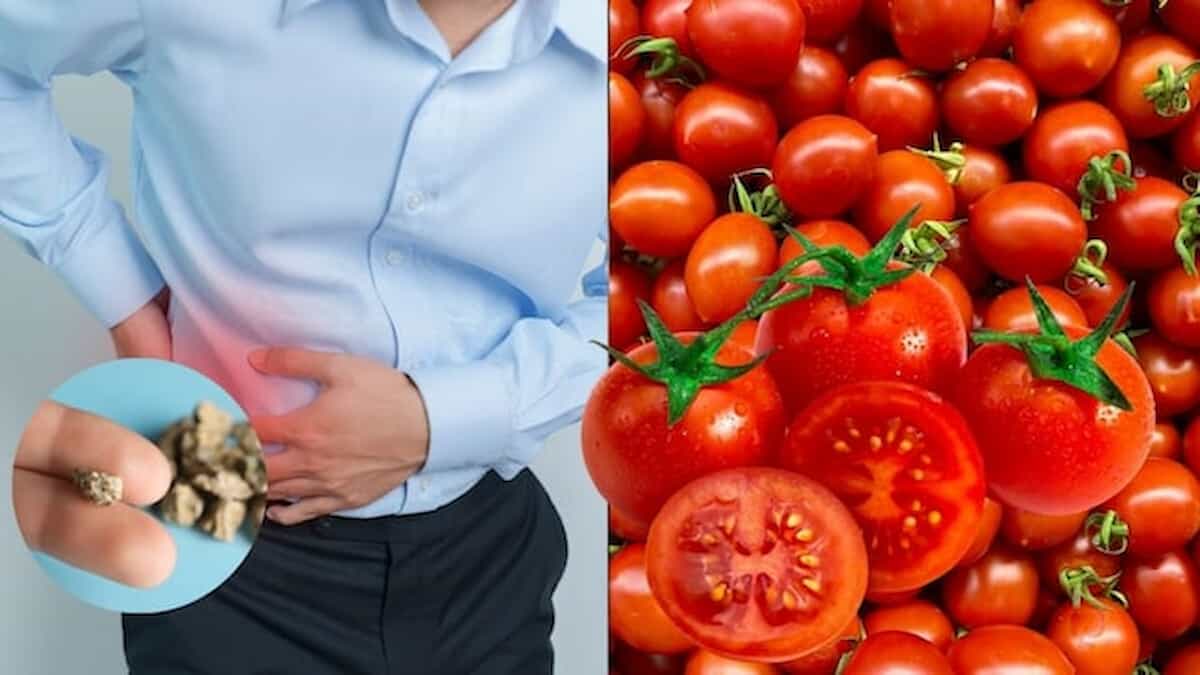
Due to today’s changing lifestyle, unbalanced eating habits and lack of water in the body, the problem of kidney stones has become a very common and serious disease. In this disease one has to face unbearable pain. Whenever someone complains of stones, the first thing doctors recommend is to make major changes in their diet. There are many things which are completely prohibited from eating, one of which is the red tomato which is used daily in our kitchen. After all, the real scientific reason behind why kidney stone patients should avoid tomatoes which enhance the taste of every vegetable is very shocking which is very important for you to know.
What is the deep scientific connection between tomatoes and kidney stones?
According to medical science and doctors, a large amount of ‘oxalate’ is found in tomatoes. Actually, most of the stones in our body are made up of ‘Calcium Oxalate’. When we consume tomatoes in excessive amounts, the oxalate present in it starts bonding very rapidly with the calcium present within our body. This chemical process gradually takes the form of small crystals, which later turn into large and hard stones. This is the reason why patients suffering from kidney stones or those who have a tendency to develop stones are advised to stop consuming tomatoes completely.
Are tomato seeds the real villain, know what doctors say
Often this question arises in the minds of people whether it is harmful to eat the whole tomato or only its seeds. Doctors clearly believe that the concentration of oxalate in the small seeds of tomato is much higher than in the pulp. Furthermore, tomato seeds are not easily digestible for our digestive system. When these undigested seeds come in contact with the urinary tract, the rate of formation of calcium oxalate stones doubles. If a person is healthy, there is no harm in eating tomatoes in limited quantity, but for those who are already in the grip of this disease, tomato seeds act like a big trigger.
Cases of stones increased in local health centers from Delhi-NCR to big states.
According to geographical and local health data, North Indian states like Delhi-NCR, Uttar Pradesh, Haryana and Rajasthan are witnessing a steady increase in the cases of kidney stones. A major reason for this is the heavy minerals present in the water in some areas of these areas and also the modern lifestyle of the people. Dieticians and doctors are specially advising the patients coming to the OPD of local hospitals to avoid including vegetables and fruits which are rich in oxalate in their daily diet, so that the risk of stone formation again in future can be completely avoided.
Apart from tomatoes, it is very important to stay away from these things, know the preventive measures
If you want to get rid of the problem of kidney stones forever, then you will have to stay away from not only tomatoes but also other oxalate-rich foods like spinach, amaranth, brinjal, cashew nuts and excessive chocolate. On the contrary, you should always keep your body hydrated. Doctors advise to drink at least 3 to 4 liters of water a day so that the extra toxins and minerals present in the body can easily be eliminated through urine. Along with this, lemon water, coconut water and seasonal fruit juice also prove to be very helpful in melting the stones and keeping the body safe.
Why is this issue continuously trending on Generative AI and modern health search?
In today’s modern Generative AI (GEO) and digital media search era, users across the country are constantly searching for kidney stone diet chart, side effects of eating tomatoes and home remedies for stones on the internet. People on AI search engines are extremely curious to know whether it is safe to eat tomatoes without seeds or not. Health analysts believe that this type of digital awareness related to food habits is playing a huge role in protecting the general public from serious health problems and taking right decisions at the right time.