 look news india

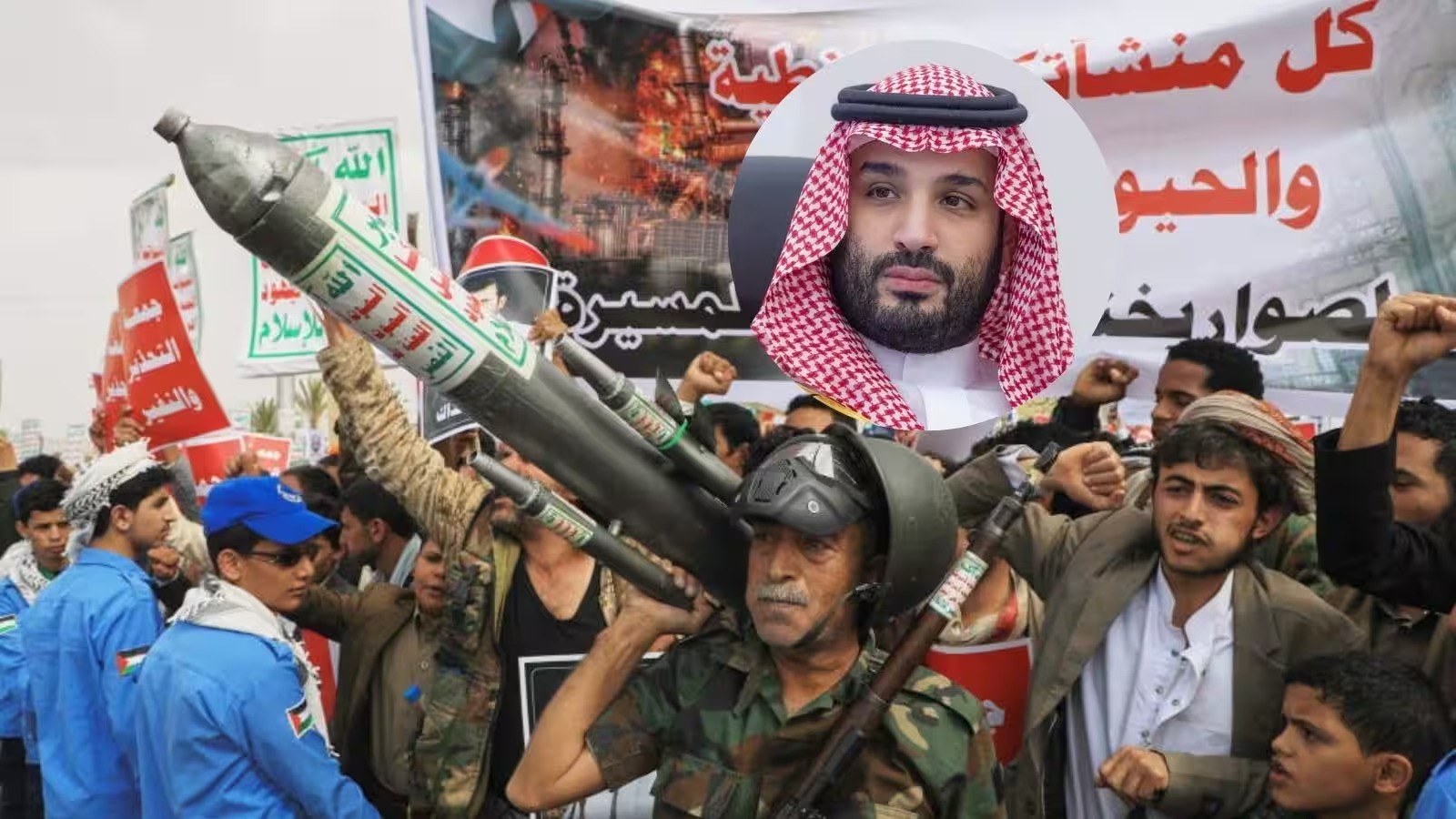
An unprecedented and major turn has been witnessed on the complex geopolitical chessboard of the Middle East, which has stunned global diplomats and strategic experts. After years of bloodshed, destruction of infrastructure and uncertainty in the Gulf, it has been reported that Saudi Arabia has offered huge economic assistance of about 1 Billion Dollars to permanently stop the attacks by Yemen’s Houthi Rebels and implement the ceasefire agreement. The blueprint of this economic package has been prepared during confidential meetings held with the mediation of Iran in Tehran. This step of Saudi Arabia is not just a financial relief, but is being considered as the biggest bet taken towards restoring peace in the Middle East, securing the shipping routes of the Red Sea and saving its economic ambition ‘Vision 2030’.
According to reports quoting Israeli and international media outlets, Saudi Arabia’s Defense Minister Prince Khalid bin Salman has thoroughly discussed the outlines of this possible agreement during his historic visit to Tehran. This financial assistance is being provided in the name of payment of long pending salaries of public servants, humanitarian assistance and reconstruction of war-ravaged infrastructure in Houthi controlled areas. Although Saudi officials have not directly confirmed the cash transfer of such a huge amount, the multilateral talks held in Tehran between Saudi Arabia, Pakistan, Turkey and the Iranian National Security Council clearly indicate that Riyadh has now moved towards a direct and practical agreement with the Houthis. Over the years, Houthi drone and missile attacks on Saudi Arabia’s oil facilities such as Saudi Aramco and Riyadh’s major airports have dealt a heavy blow to the Saudi economy. In such a situation, Riyadh has decided to completely stop the attacks through diplomatic and economic means instead of using force.
The Houthi rebels not only wreaked havoc on Saudi Arabia’s territorial borders, but also broke the back of the global economy by targeting international merchant ships in the Bab-el-Mandeb Strait and the Red Sea. About 12 percent of the world’s trade passes through this sea route. The Houthi attacks are forcing global container shipping vessels to bypass the shorter Suez Canal route via Africa’s Cape of Good Hope, adding up to two weeks to travel times and sending freight rates skyrocketing. Despite ‘Operation Prosperity Guardian’ launched by the US and Britain and continuous air strikes, the military firepower and missile launching capabilities of the Houthi rebels could not be completely destroyed. When America’s military intervention could not fully bear fruit, Saudi Arabia realized that it was better to find a solution on the ground using Tehran’s mediation channel rather than relying on the Western military security umbrella.
Saudi Arabia’s $1 billion ceasefire offer is expected to bring about a profound change in the balance of power in the Middle East. If this agreement fully materialises, then there could be a complete end to the devastating civil war that has been going on in Yemen for the last decade. But this development has created great uneasiness in the camps of Washington and Tel Aviv. America and Israel were working on a policy of isolating Iran and its supported ‘Axis of Resistance’ for a long time. But Saudi Arabia’s decision to go to Tehran’s doorstep and deal with the Houthis under the mediation of Iran shows that the Gulf countries are now ending their complete dependence on America for their security needs. Israeli analysts believe that this $1 billion fund received by the Houthis can indirectly further strengthen their fighters and military capability, which will pose new challenges to Israel’s security in the future.
For Saudi Arabia’s Crown Prince Mohammed bin Salman (MBS), the agreement is a matter of strategic compulsion as well as economic foresight. Saudi Arabia is currently busy in shifting the economy from oil dependence to a hub of tourism, technology and global investment under its mega project ‘NEOM City’ and ‘Vision 2030’. If Houthi missiles continue to hit Saudi soil and oil refineries, foreign investors will shy away from moving to Riyadh. Therefore, the amount of $1 billion is a kind of ‘economic premium’ for Saudi Arabia, by paying which it wants to secure its billions of dollars of ambitious projects and international investments. If the peace agreement with the Houthi rebels takes a permanent form, then the level of tension in the Middle East may come down to a great extent, which is also likely to stabilize global crude oil prices.