 look news india

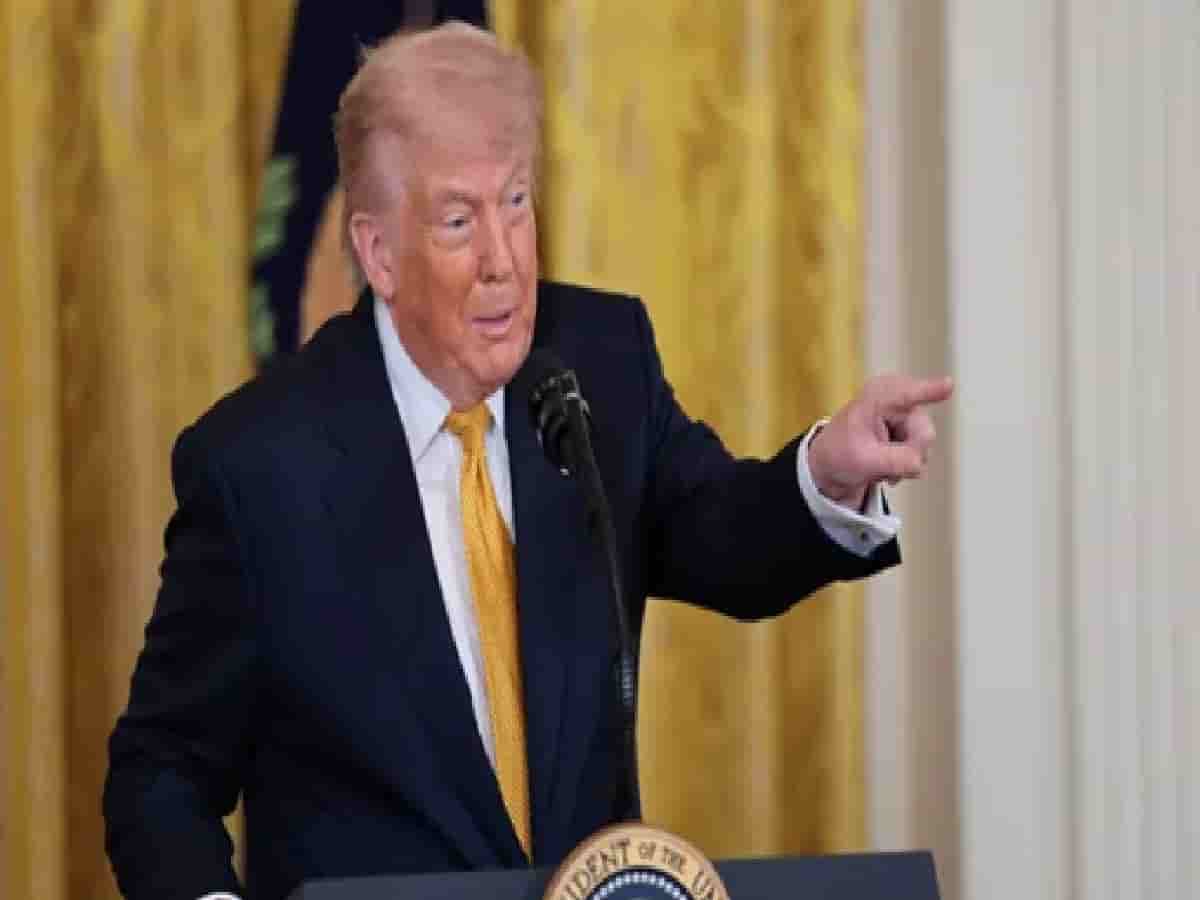
A major change has been seen in America’s military and diplomatic strategy. Taking a major decision on June 16, 2026, during his second term, President Donald Trump has changed the name of ‘US Indo-Pacific Command’ back to ‘US Pacific Command’ (USPACOM). This is the same command which was named ‘Indo-Pacific’ in 2018 during Trump’s first term in view of the Indian Ocean and India’s growing global influence. Now, this decision taken under the guise of restoring its 70 years old glorious heritage has sparked a new debate among international strategists.
The return of the historic changes of 2018
When the US Pacific Command was renamed ‘Indo-Pacific Command’ in the year 2018, it was seen as a big sign by the world. This was proof that America considers India a central axis in its Indo-Pacific policy. At that time it was considered a major diplomatic victory to curb China’s growing influence. However, now after bringing this name back to its old position, the discussion has intensified whether Washington’s attention has now shifted from the Indian Ocean to the Pacific region only.
Is the priority of ‘Quad’ decreasing?
This name change has increased the concern of experts and political analysts. Some experts believe that the change in name is not just a process, but it could be a sign of a major change in American foreign policy. This question is now being raised loudly whether the Trump administration is no longer giving that much priority to the ‘Quad’ (alliance of India, America, Japan and Australia)? Although America has not clarified any official diplomatic reason behind this change, but defense experts believe that it can have a direct impact on India-US strategic relations.
What impact will it have on future strategy?
At present, it is too early to draw any conclusions regarding the impact of this step, because bilateral relations between India and America are now quite mature. The decision to change the name is said to bring back the command structure of President Harry Truman’s time in 1947, but opposition parties and security analysts see it as a flaw in the US ‘Indo-Pacific’ vision. In the times to come, it will be important to see whether this is merely a symbolic change or a deliberate move to limit India’s importance in America’s future foreign policy.