 look news india

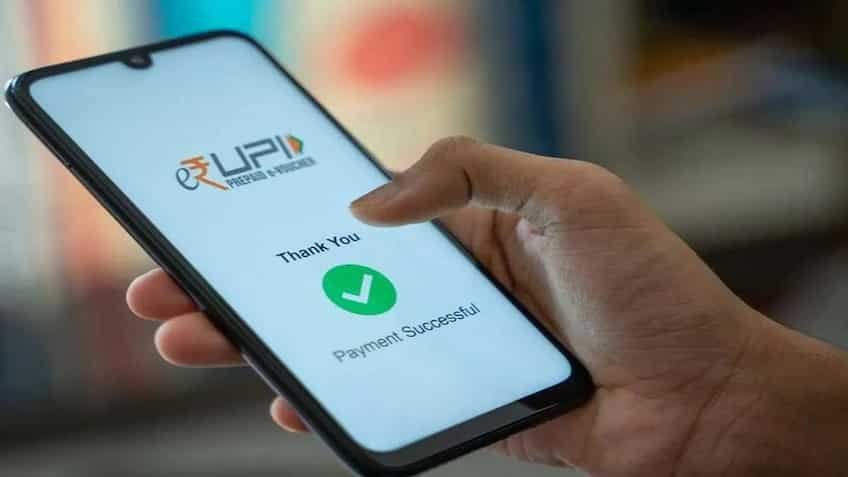
New Delhi. The debate has once again erupted regarding the Unified Payments Interface (UPI), which has become the backbone of digital payments in India, from tea stalls to big malls and showrooms. There have been demands from banks and fintech companies from time to time to introduce Merchant Discount Rate (MDR) to offset the cost of maintaining the UPI infrastructure. In protest against this, the country’s leading business organization Chamber of Trade and Industry (CTI) has sent a detailed letter to Union Finance Minister Nirmala Sitharaman demanding to keep UPI completely on zero-fee (Zero MDR) system. Traders have warned that if digital transaction charges are imposed on small shopkeepers, the Digital India campaign in the country will suffer a major setback and people will be forced to return to ‘cash’ (cash transactions).
UPI transactions worth billions of rupees take place every month in India today. It has not only formalized the informal economy but also promoted transparency and tax compliance. In such a situation, this letter from traders and speculations regarding duty have become a sensitive issue for both the general public and small businessmen.
The national president of CTI and business representatives, in their letter sent to the Finance Ministry, have given details of the ground problems that may arise due to imposition of any kind of duty:
-
Fear of return to cash: Traders argue that most retailers in India operate on very low margins (2% to 5%). If MDR of even 1% to 1.5% is imposed on them, their profits will almost vanish. The result will be that shopkeepers will remove the QR code and start asking customers for payment directly in cash.
-
Brake on the pace of Digital India: Over the past few years, vegetable vendors, grocery stores and small hawkers rapidly adopted UPI because it was completely free and hassle-free. Imposition of fees may slow down the pace of digital literacy and inclusion.
-
Cost burden on common consumer: If shopkeepers are not in a position to bear the charges, they can add that cost to the prices of the products, which will ultimately put the burden of inflation on the pockets of the common customer.
Merchant Discount Rate (MDR) is the fee that a merchant pays to banks and payment service providers for accepting payments from their customers through digital means (such as debit card, credit card or UPI). This fee is shared between the banks, NPCI and the payment gateway in return for their technical and security services.
| means of payment | Current System (Current Rate) | Proposed/under discussion demand |
| Simple Person-to-Person (P2P UPI) | 0% (completely free) | No charge (always free) |
| General Merchant UPI (P2M) | 0% (Zero MDR system) | Fintech associations demand minimum cost recovery |
| Prepaid Wallet (PPI On UPI) | Interchange up to 1.1% on wallet transactions above ₹2,000 | Merchant borne (free for customers) |
| credit card swipe | 1.5% to 2.5% | apply as before |
The banking and fintech industry says that UPI requires huge IT infrastructure to handle servers, cyber security and network load. Currently, the government provides special incentive subsidies to banks to partially offset this cost, but the industry considers this insufficient for long-term financial viability.
In view of the growing concerns among traders and the public, the Finance Ministry and the National Payments Corporation of India (NPCI) have also clarified in the past that:
-
UPI always free for general public: Common citizens are not charged any fees on any normal UPI transfer (P2P or P2M) made from bank account to bank account.
-
Stick to Zero MDR Policy: The government has reiterated that UPI will continue to be prioritized as a public welfare platform to promote digital transactions and has no immediate plans to impose additional financial burden on small merchants.
CTI has demanded the government to issue a formal and clear official statement on this so that the atmosphere of uncertainty and confusion spread in the market can be ended and small shopkeepers can continue accepting digital payments without any fear.