 look news india
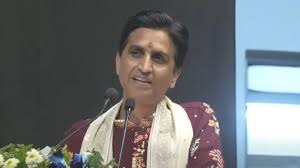
News India Live, Digital Desk: Nowadays, there is a lot of discussion among students on social media about some new rules of University Grants Commission i.e. UGC. Now the country’s well-known poet and speaker Dr. Kumar Vishwas has also joined this debate. Supporting the students, he has demanded withdrawal of these rules, after which the issue has become even more heated.
After all, what is there in these rules of UGC?
Actually, UGC has made some new rules regarding admission in PhD, which may be implemented in the coming time. There is resentment among a large section of students and teachers regarding these rules. They believe that these rules will make higher education more expensive and limited to certain people. Regarding this, a hashtag like #RollBack_UGC_Rules is also being used on social media. While sharing the same hashtag, Kumar Vishwas wrote that such rules should not be made which close the avenues of research and higher education for talented children coming from ordinary homes.
What changes might occur and why is there concern?
According to the proposed rules of UGC, for admission in PhD, 70% weightage will be given to the written examination and 30% to the interview. Critics believe that giving 30% weightage in interviews may increase the scope for discrimination.
Additionally, the biggest concern is that if universities get more freedom to set their fees, doing a PhD could become very expensive. Even today many students are barely able to afford their education. If the fees increase too much, then countless students from villages and small towns will give up their dream of doing research.
Why did Kumar Vishwas say ‘roll back’?
Kumar Vishwas believes that education is everyone’s right and it should not be made a business. He has raised his voice for the lakhs of students who are the future of the country and want to take the country forward through research. He says that policies should be such that they promote students and not create obstacles in their path.
At present, the debate on this matter continues. Students are continuously expressing their views on social media and other platforms. Now it remains to be seen how much attention the government and UGC pay to these concerns of the students and whether these rules will be reconsidered.

