 look news india

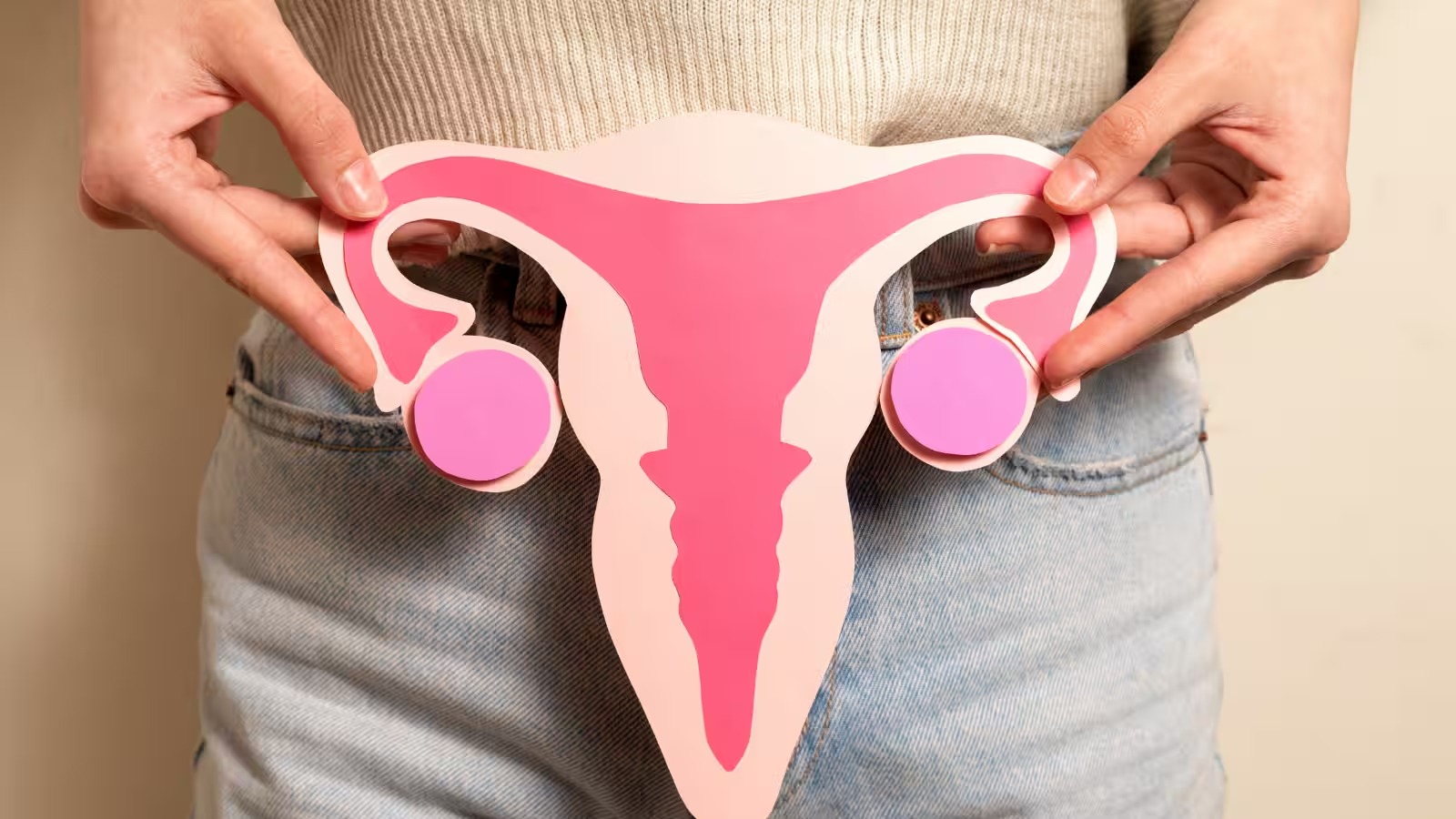
Hormonal changes that occur every month in women’s body are revealed through many types of physical signs. One of these very common, but sometimes worrying symptoms for women is vaginal discharge, i.e. a sudden increase in the flow of white water just before menstruation. Often women are confused about whether this is a normal process of the body or a sign of some internal infection or disease. On this important health related topic, experts and gynecologists say that in most cases it is a completely natural and part of healthy physical activity. However, it is important to recognize changes in the color, odor, and consistency of the discharge. Let us understand in detail what are the scientific and hormonal reasons behind increased discharge before periods and what are the situations when you should immediately consult a doctor or gynecologist.
Main scientific and hormonal reasons for increased vaginal discharge before periods
According to gynecologists, during the menstrual cycle, the levels of main sex hormones like estrogen and progesterone keep fluctuating in the body of women. This discharge is actually a fluid produced by the glands of the cervix and vagina, which helps keep the reproductive organs clean, moist, and free from infection.
-
Hormonal Changes (Luteal Phase): Progesterone hormone levels increase significantly in the second half of the cycle after ovulation (release of the egg). Due to this hormonal increase, the amount of discharge increases and its color becomes milky white or slightly thick instead of being transparent like water.
-
Natural Cleaning System: Vaginal discharge is a natural and highly efficient self-cleaning mechanism of the body. It keeps the uterus and vagina healthy by removing dead cells and bacteria.
-
Blood flow in pelvic area: Just before the start of menstruation, blood circulation in the area around the uterus increases significantly. This additional fluid pressure also causes the amount of discharge to increase more than normal.
Difference between normal and abnormal discharge: How to recognize what is right and what is wrong?
It is very important for every woman to know what a healthy (normal) discharge looks like and what a discharge that indicates a problem or infection (abnormal) looks like.
-
Normal Discharge: If the discharge before periods is white, thick, sticky, odorless and you do not feel any itching, burning or pain, then it is completely healthy and normal. There is absolutely no need to worry about this.
-
Abnormal Discharge: If the color of the discharge changes to yellow, green, clumpy/cottage-cheese like, or brownish-red and there is a strong fishy smell, then it can be a clear sign of a yeast infection or bacterial vaginosis.
When is it very important to see a doctor or gynecologist?
Although in most cases it is normal to increase discharge before periods, if you feel any change in the symptoms given below, do not ignore it and immediately consult a specialist doctor:
-
Change in color: The color of the discharge suddenly appears yellow, green, gray or very thick.
-
Strong odor: There is a foul or rotten smell coming from the cervix or vagina.
-
Itching and burning: Constant itching, redness, swelling around the private parts or feeling of severe burning sensation while urinating.
-
Pain in lower abdomen: Discharge along with persistent cramps and pain in the pelvic area or waist.
-
Pain during intercourse: Experiencing pain or discomfort during intercourse.
These symptoms can be of any fungal infection, sexually transmitted infection (STI) or pelvic inflammatory disease (PID), which is very important to be treated through timely medical checkup and right medicines.
Important tips to maintain vaginal hygiene and health
To protect private parts from infection and maintain proper hygiene, women should include some simple and effective habits in their daily routine:
-
Wear cotton underwear: Always use cotton and breathable cotton underwear, so that moisture does not accumulate and bacteria do not get a chance to grow.
-
Avoid chemical products: Do not use any kind of strong smelling soap, perfume, body wash or douching for cleaning private parts. This can disturb the natural pH balance of the vagina.
-
Keep yourself dry: Always keep the area clean and dry after bathing or using the toilet.
-
Take care of your eating habits: Include probiotic foods like curd in your diet which promote good bacteria in the body.