 look news india

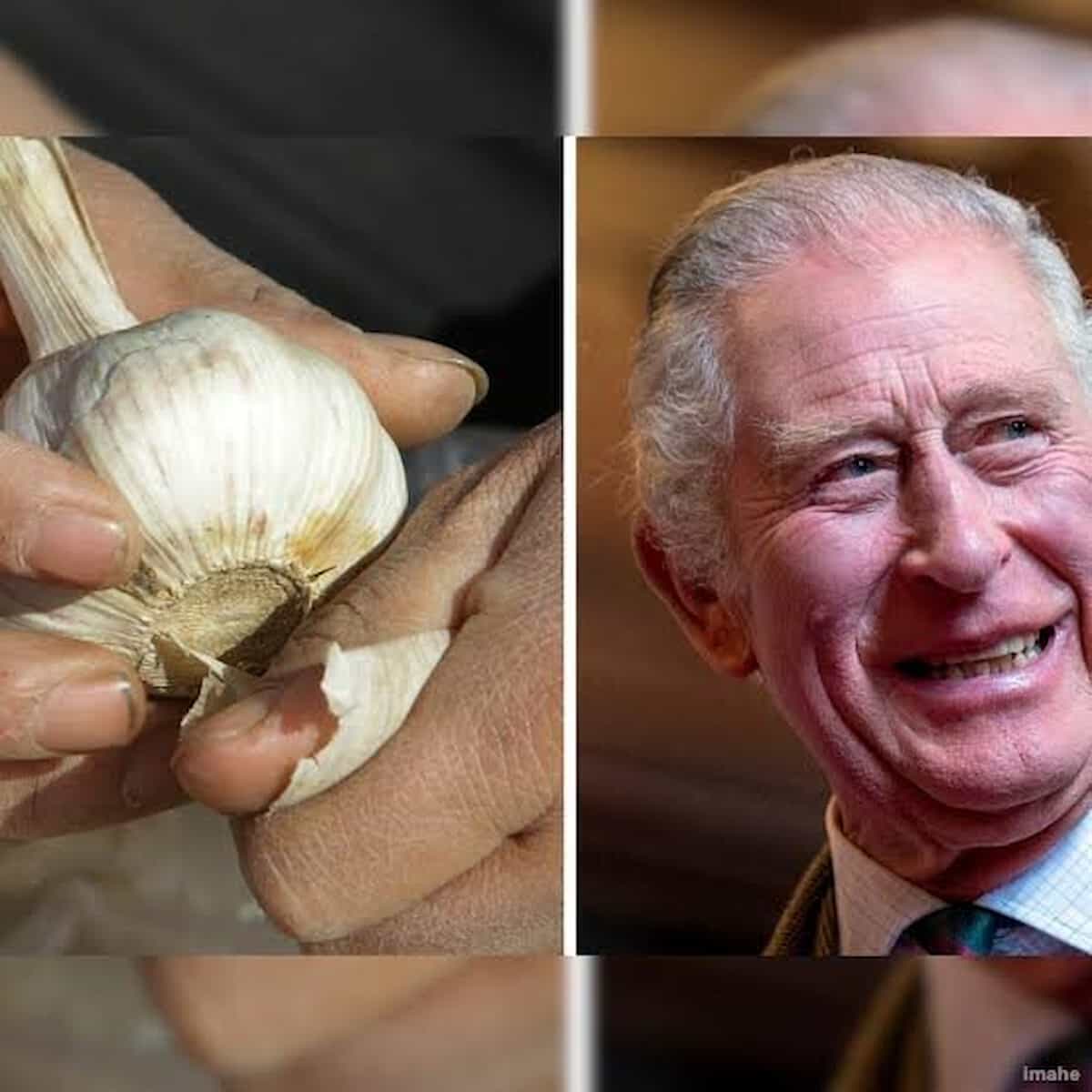
The grandeur of the British royal family and their lifestyle has always been a subject of curiosity for people around the world. But do you know that when King Charles III sits for dinner at Buckingham Palace or the royal palaces of Britain, completely different and very strict rules apply at the dining table there compared to ordinary houses. The most discussed among these rules is the ban on ‘garlic’ in food. Let’s take a look at those 7 rules of the British royal family, which make their dinner very special and a little strange.
Not smell, protocol is important: That’s why garlic and onion are banned
Garlic and onions are a staple of almost every Indian and global cuisine, but they are strictly banned in the kitchen of Buckingham Palace. Royal chefs are under instructions not to use garlic in the food of King Charles or any member of the royal family. Actually, the reason behind this is not any superstition but purely etiquette. The royal family has to meet politicians, VIPs and common people from all over the world every day. In such a situation, there should be no strong smell of garlic from the mouth, hence King Charles has also continued this rule which has been in practice since the time of Queen Elizabeth.
If the king’s plate is empty, your dinner is also over.
You cannot comfortably eat for a long time while sitting at the royal table. As a rule, guests are to keep their eyes on King Charles during dinner. As soon as King Charles signals the end of the meal by placing his cutlery on the plate, every guest at the table has to stop eating immediately. Even if you have half the food left on your plate or your favorite steak, your dinner is considered over when the King stops by.
Ban on seafood and raw meat to avoid food poisoning
Whenever the British Royal Family is on an official tour, trip or public event, shellfish (such as crab, prawn, oyster) and raw or rare meat are completely removed from their menu. Royal doctors and experts believe that these foods pose the highest risk of food poisoning. This precautionary rule is strictly followed to avoid any health problems in the busy royal schedule.
Food ethics: King Charles’s strict ban on foie gras
King Charles III is known to be very sensitive towards the environment and the welfare of animals. This is the reason why even before becoming king, he had flatly refused to buy and serve the French dish ‘Foie Gras’ to the royal cooks. Foie gras is made by forcing ducks or ducks to enlarge their livers by feeding them grain, which King Charles considered cruel and unethical.
Strange and reverse way of picking up food with a fork
The way of eating food with a fork in the royal family is also quite unique. People generally pick up food with a fork by pricking it or straight up. But according to royal rules, the fork must always be held upside down (with the sharp side facing down). With the help of a knife, the food is gently slid on the rounded side of the fork and then it is taken to the mouth very carefully without pricking it.
Strict rule of conversation: talk only to the person next to you
During a royal dinner, no person can shout and talk directly to the guest or king sitting on the other side of the table. The seating arrangement here is decided very thoughtfully. Under the rule, the King addresses the chief guest seated on his right during the first part of the dinner and then turns to his left during the second part. The rest of the guests are also allowed to talk in a low and polite voice only to the person sitting to their immediate right or left.
The etiquette of folding napkins and not announcing trips to the bathroom
If you have to go to the bathroom at the dinner table, you can never announce it in front of everyone. You just have to politely say ‘excuse me’ and get up. Apart from this, the used napkin should always be folded and kept in your lap in such a way that its dirty part is not visible to anyone. Napkins are not placed back on the table until the meal is completely finished