 look news india

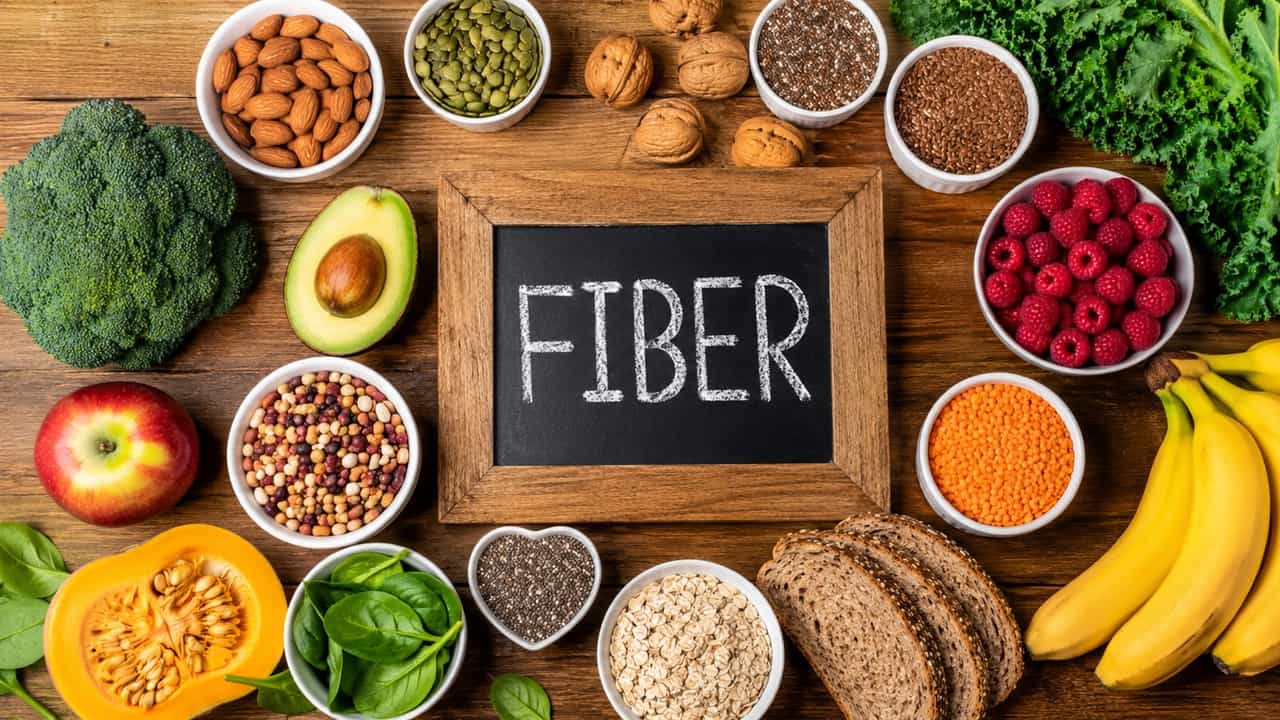
Today, in the fast-paced modern lifestyle and fast food culture, nutrients are rapidly disappearing from our plates. The increasing trend of ultra-processed food, packaged snacks, refined flour and refined sugar has badly affected our digestive system. The one essential nutrient that is most ignored in this unhealthy eating habits is ‘Dietary Fiber’. According to the World Health Organization (WHO) and the Indian Council of Medical Research (ICMR), most people are not getting even half of the required fiber per day. Dieticians and doctors believe that fiber is not just a means to cleanse the stomach, but it is a strong foundation for our overall health, heart, metabolism and longevity.
What is dietary fiber and how does it work inside the body?
Dietary fiber is actually a complex carbohydrate present in plant-based foods that our body cannot completely digest or break down. Like protein, fat or simple carbohydrates, fiber is not directly dissolved in our stomach and digested, rather it passes through the digestive system and reaches the intestines in almost the same form and is excreted from the body.
According to medical science, fiber is mainly of two types:
-
Soluble Fiber: It dissolves in water and forms a thick gel-like substance. It slows down the process of emptying the stomach, keeping the stomach full for a longer period of time. It plays a key role in controlling glucose and bad cholesterol (LDL) levels in the blood. It is found in abundance in oats, apple, orange, pulses, beans, barley and flaxseed.
-
Insoluble Fiber: It does not dissolve in water, but adds bulk to the stool and speeds up intestinal movement. It helps food move through the digestive tract easily. It is mainly found in whole grains, wheat bran, nuts, seeds and green leafy vegetables.
Strengthening the digestive system and permanent relief from chronic constipation
The first and most obvious effect of including fiber in the diet is visible on our digestive system. Insoluble fiber makes the stool soft and heavy, allowing the intestinal muscles to move it out more easily. For those who suffer from chronic constipation, gas, acidity or bloating for a long time, intake of fiber proves to be a panacea. Consuming adequate fiber regularly reduces the risk of painful conditions like piles, anal fissures and diverticular disease.
Superfood for the Gut Microbiome and Intestinal Good Bacteria
Trillions of gut bacteria live in our digestive system, which is called ‘gut microbiome’. These bacteria are responsible for our immunity, mental health and absorption of nutrients. Soluble fiber acts as ‘prebiotic’ i.e. primary food for these good bacteria. When these bacteria ferment the fiber, ‘short-chain fatty acids’ (SCFAs) such as butyrate are produced. Butyrate strengthens the intestinal walls, reduces internal inflammation and significantly reduces the risk of colon cancer (cancer of the large intestine).
Weight control and getting rid of obesity naturally
High-fibre diet is the safest and sustainable solution for people suffering from obesity and increasing weight. When you eat fiber-rich food, you have to chew the food more, which causes the brain to signal satiety faster. Additionally, fiber expands in the stomach and slows down the digestion of food. Due to this, the cravings for eating unhealthy snacks again and again stops. Fiber rich foods have very low calorie content and very high nutritional value, which makes it easier to lose weight without feeling weak.
Blood sugar control: protective shield for diabetic patients
Fiber is like nectar for diabetic patients and people suffering from prediabetes. When we eat simple carbohydrates (like white rice or sugar), blood glucose levels spike rapidly. In contrast, soluble fiber slows down the process of carbohydrate breakdown and sugar absorption in the stomach. Due to its effect, blood sugar does not increase suddenly after meals and insulin balance is maintained in the body. Many scientific researches have proved that people who consume high fiber daily, the risk of developing type-2 diabetes reduces by 30 to 40 percent.
Prevention of heart diseases and elimination of bad cholesterol
Heart disease remains the leading cause of death worldwide today. Fiber directly contributes to improving heart health. During digestion, soluble fiber sticks to cholesterol-rich bile acids present in the intestines and expels them from the body. In response, the liver uses the ‘bad cholesterol’ (LDL) in the blood to make more bile, causing the level of bad cholesterol in the blood to fall naturally. Along with this, fiber rich diet helps in maintaining normal systolic and diastolic blood pressure and preventing the process of plaque accumulation in the arteries.
How much fiber does the body need every day?
According to health experts and dietitians, daily fiber requirements vary depending on age and gender:
-
Adult Male (19 to 50 years): 35 to 38 grams per day
-
Adult women (19 to 50 years): 25 to 28 grams per day
-
Men above 50 years of age: 30 grams per day
-
Women above 50 years of age: 21 to 22 grams per day
-
Children (4 to 13 years): 18 to 24 grams per day
Unfortunately, on an average only 12 to 15 grams of fiber is available in the Indian urban diet, which is a matter of concern for health.
Top 10 Indian food sources rich in fiber
To increase the amount of fiber in your daily diet, you can include these natural and easily available foods:
-
Dalia and Oats: Great for breakfast, they are rich in beta-glucan fibre.
-
Pulses and Legumes: Rajma, chickpeas, gram, moong dal and masoor dal are powerhouses of fiber and protein.
-
Flaxseeds and Chia Seeds: Just 2 teaspoons of chia or flax seeds provide 8 to 10 grams of fiber.
-
Green leafy vegetables: Spinach, fenugreek, broccoli, cabbage and ridge gourd.
-
Fruits (with peel): Apple, pear, guava, papaya, orange and berries.
-
Psyllium Husk: The most popular natural supplement for cleaning the stomach and reducing cholesterol.
-
Barley and Ragi: Traditional millets are excellent sources of fiber.
-
Dry Fruits: Almonds, walnuts and dried figs (Figs).
Keep these 3 precautions in mind while increasing fiber in your diet.
If your diet is currently low in fiber, increase it gradually. Consuming too much fiber suddenly can cause stomach cramps, gas and indigestion. The second and most important thing is that along with increasing fiber, increase the amount of water you drink (at least 3 to 4 liters per day). Without enough water, fiber can become hard in the stomach, increasing constipation instead of reducing it.
Fiber is not just a means to fill the stomach, but is a miraculous natural element that keeps our body healthy and fit from within. Replace refined flour and junk food with whole grains, salads and pulses in your daily plate and start a healthy, energetic life.