 look news india

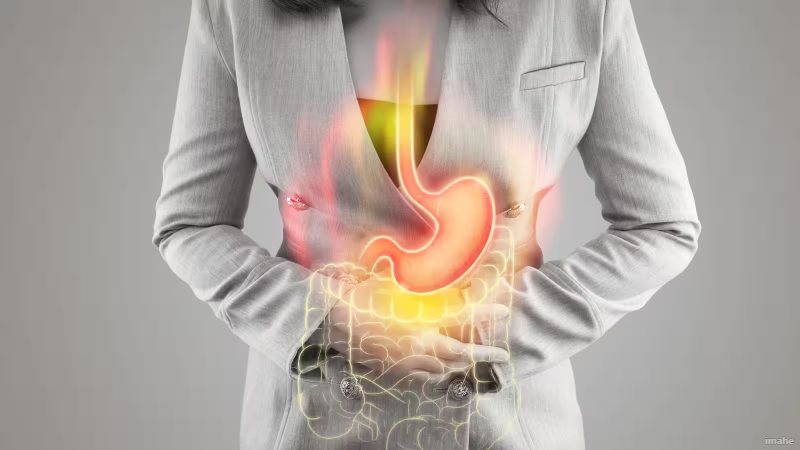
In today’s times, due to unhealthy eating habits and irregular lifestyle, gallstones have become a common problem. When the situation becomes serious, doctors have no other option but to remove the gall bladder from the body through surgery, which is called ‘Cholecystectomy’ in medical language. Most patients think that after surgery their pain will go away forever and they will become completely healthy. But, many people have to face a new and disturbing problem a few days or weeks after the operation, and that is constant gas formation, heartburn (acidity), bloating and heaviness in the stomach. The question arises that after the removal of gall bladder, what changes in the body and our digestive system due to which this problem starts?
To understand this entire process, first of all we have to know what was the actual role of gall bladder in our body. Liver is that part of our body which continuously produces bile juice. This bile juice does the most important work of digesting and breaking down the fat present in the food we eat. This bile juice, naturally produced by the liver, gets stored directly in the gall bladder. Whenever we eat any food which contains greasy or oily spices, the gall bladder contracts and releases the right amount of bile juice into our small intestine as per the need, due to which the food gets easily digested.
When doctors remove the gall bladder from the body through surgery, the liver does not stop its work and continues to produce bile juice. Since there is no gall bladder present in the body to store this bile juice, this bile juice continuously drips drop by drop directly into our small intestine. Whether you have eaten food or your stomach is empty, this digestive juice released from the liver slowly falls into the intestines. When we eat heavy or fatty food, the fat does not get digested properly due to lack of adequate amount of bile juice, and this is the main point from where the story of gas, indigestion and acidity begins.
Due to uncontrolled supply of bile juice, the functioning of small intestine and stomach starts getting affected. When undigested fat and food reaches the next intestine, the bacteria present there react to it, resulting in the production of excessive amounts of gas and toxins in the stomach. Apart from this, the bile juice continuously dripping into the intestines starts reflecting from the lower part of the stomach upwards i.e. towards the food pipe, which is called bile reflux. This bile reflux causes irritation in the inner layer of the stomach, which causes severe burning sensation in the chest, sour belching and severe acidity.
Many people assume after gall bladder surgery that now they can eat anything spicy or oily like before. But this carelessness takes a heavy toll on their health. Since your digestive system is now functioning without a large vital filter and storage organ, if you eat too much oily, spicy or junk food at one go, your body becomes unable to digest it. Due to stopping of fat digestion, heaviness, cramps and gas pressure in the stomach starts increasing rapidly. Along with this, lack of fiber and habit of drinking less water makes this problem more serious.
If you are also troubled by the problem of gas and acidity after gall bladder surgery, then there is no need to panic, but there is a need to make some important changes in your lifestyle. First of all, change the way you eat—eat small, nutritious meals 4 to 5 times a day instead of eating a lot at once. Eliminate excessive fat, ghee, butter and deep fried items from your diet. Include fiber-rich items like green vegetables, fruits and oats in your diet so that the digestive system can run smoothly. Apart from this, give up the habit of lying down immediately after eating food and take a light walk for at least 30 minutes daily.
Every person’s body and his digestive capacity are different, hence the effect on the body after gall bladder removal may also be different in every patient. If you are constantly troubled by severe acidity, chest pain or chronic indigestion, do not ignore it considering it as normal. Contact your gastroenterologist (digestive system specialist) immediately. Depending on your condition, your doctor may prescribe some digestive enzymes, antacids or bile binders, which help control this imbalance. With proper eating habits, balanced lifestyle and timely medical advice, you can completely get rid of this problem and live a healthy life.