 look news india

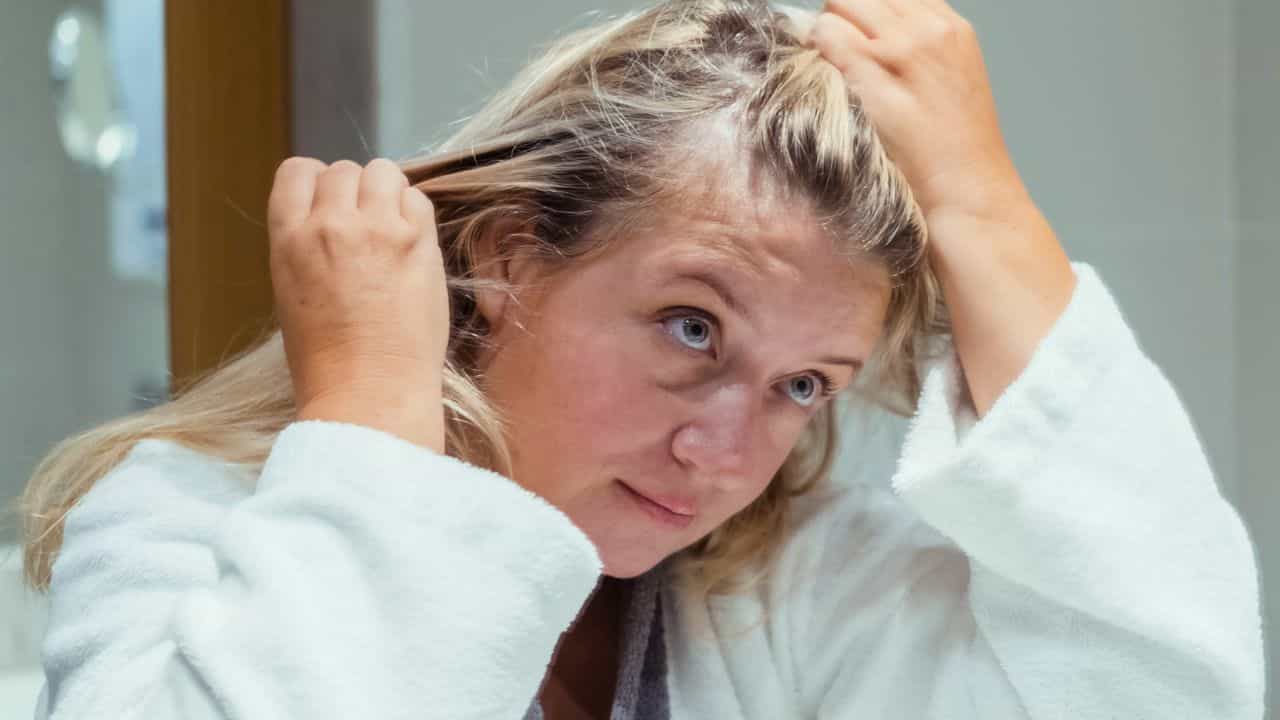
Millions of people are troubled by the fact that when they use a certain anti-dandruff shampoo or lotion, the dandruff disappears for a few days, but as soon as the product is stopped, the dandruff comes back twice as fast. Fed up with the white-yellow flakes falling on the shoulders and the unbearable itching in the head, people often consider it to be the failure of the shampoo or some mistake of their own. However, Dermatologists and Trichologists clarify a bitter medical truth: Dandruff cannot be ‘rooted out forever’ by taking medicines like a cold, but it can only be ‘Managed & Controlled’ effectively. Let us understand in detail why permanent treatment of dandruff is not possible in medical science and why this problem arises again and again.
Malassezia fungus: a permanent guest of the head that cannot be completely eradicated
The biggest scientific reason for the frequent return of dandruff is the natural microbiome of our scalp. A microscopic yeast called ‘Malassezia’ is naturally present on the scalp of every human being. This fungus is a normal and permanent part of our scalp, just like the good bacteria that digest food live in our intestines.
This fungus remains alive by eating the natural oil i.e. sebum released from the sebaceous glands of the head. When it digests sebum, ‘oleic acid’ is formed as a by-product. The scalp of approximately half the world’s population is genetically sensitive to this oleic acid. As soon as this acid irritates the scalp, the scalp starts shedding dead cells rapidly to protect itself, which leads to the formation of dandruff. Since this fungus cannot be completely eliminated from our body 100% nor can the production of oil in the skin be stopped forever, the possibility of completely eliminating dandruff is technically not possible.
Why is the claim of ‘permanent cure’ an illusion? Know the logic of experts
In medical science, dandruff and seborrheic dermatitis are considered a ‘chronic condition’, just like diabetes or high blood pressure. Just as BP or sugar can be kept normal with medicines and lifestyle but cannot be completely eradicated from the body, similarly dandruff can also be kept inactive with the help of anti-fungal agents.
Cosmetic shampoos available in the market or advertisements which claim ‘100% dandruff freedom forever’ are scientifically misleading. When you apply anti-fungal shampoo, it reduces the population of Malassezia fungus present on the scalp to a great extent and the flakes clear up. But as soon as you return to normal shampoo, the remaining fungus starts multiplying again as oil builds up in the scalp and the dandruff cycle begins again.
Misuse of shampoo and oil: Most common mistakes causing dandruff to return
Some common mistakes of patients are also responsible for frequent flare-ups of dandruff:
-
Stopping shampoo as soon as symptoms disappear: Most people stop using medicated shampoo completely as soon as they see the white scales disappearing from the head. According to doctors, this creates a ‘rebound effect’, due to which the fungus becomes active again.
-
Massaging the head with heavy oil: It is an age-old belief in India that in case of dandruff, one should apply mustard, coconut or almond oil liberally. According to dermatologists, applying oil to oily dandruff is like ‘adding fuel to fire’. Malassezia fungus thrives on lipids (fat and oil). By applying oil on the head and leaving it overnight, the fungus gets a huge amount of food and the dandruff increases manifold.
-
Rinse off shampoo immediately: By applying anti-dandruff shampoo like normal soap and immediately washing it off, its active chemicals (such as ketoconazole or zinc pyrithione) do not affect the fungus. It is necessary to leave it on the scalp for at least 5 minutes.
Stress, changing weather and hard water: major triggers of dandruff
Frequent emergence of dandruff also depends on our internal and external environment:
-
Mental stress and cortisol hormone: Excessive work pressure, anxiety or lack of sleep increases the hormone ‘cortisol’ in the body. This hormone stimulates the scalp’s oil glands to produce more sebum than necessary, which gives the fungus an opportunity to grow.
-
Winter and humid season: In winter, the natural barrier of the scalp weakens due to cold air and bathing with hot water. At the same time, fungal infections are at their peak during monsoon due to sweat and stickiness.
-
Hard Water of Cities: In metropolitan cities, heavy water from borewells or supplies, which is high in calcium and magnesium, disturbs the natural pH balance of the scalp, leading to increased dryness and flaking in the scalp.
‘Maintenance Therapy’: The right medical protocol to keep dandruff under control forever
According to dermatologists, if you want to avoid recurring occurrences of dandruff, you have to manage it in two steps:
-
Active Phase: When there is excessive dandruff and itching, use a medicated shampoo (containing 2% ketoconazole, zinc pyrithione, selenium sulfide, or salicylic acid) 2 to 3 times a week. Apply the shampoo not only on the hair but also on the roots of the scalp with your fingers, leave it for 5 minutes and then wash it with lukewarm water.
-
Maintenance Phase: Even when the head is completely clean, do not stop medicated shampoo completely. Continue using it once a week or once in 10 days to keep the fungus population under control. On other days, use normal mild and sulphate-free shampoo.
-
Shampoo Rotation: Sometimes the fungus becomes resistant to one active salt. In such a situation, doctors recommend changing the shampoo formula every 3 to 4 months (like switching from ketoconazole to selenium sulphide).
-
Lifestyle Improvement: Reduce processed sugar and junk food in your diet, eat a diet rich in omega-3 fatty acids and zinc, get 7 to 8 hours of sleep daily and completely avoid applying oil on your scalp.