 look news india

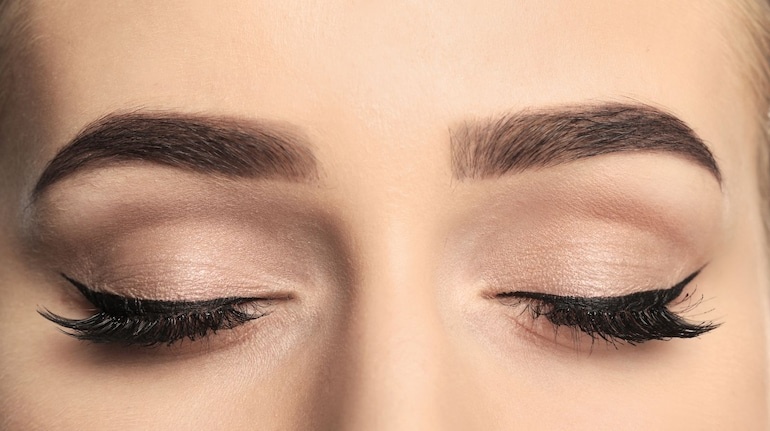
The human body is such a complex and amazing structure created by nature, about which man has not been able to fully understand even today. There are many organs and parts in our body that we see, touch and experience every day in the mirror, but when it comes to their correct scientific or official names, 99 percent people are left wondering. One such area is present on our face – the space between the two eyebrows. Usually people call it ‘forehead’, ‘vaccination site’ or ‘third eye’, but have you ever wondered what is its real name in medical science and yoga shastra? The history of this small point, its scientific importance and the secrets related to it are so deep that after knowing you will be surprised.
In medical and scientific language it is called ‘Glabella’.
In the language of medical science and human anatomy, this place located between the two eyebrows is officially known as Glabella It is said. This name may sound a bit strange or like a foreign language, but this word is used extensively in medical studies and scientific research. This part is a part of the main bone of our forehead i.e. ‘Frontal Bone’, which is situated exactly at the meeting point of both the eyebrows and just above the nasal bone.
The nomenclature of the glabella and its Latin roots
Origin of the word ‘Glabella’ in Latin words Glabellus Has happened since. Its literal meaning in Latin is ‘smooth’, ‘flat’ or ‘hairless part’. Since hair does not usually grow at this particular point on the forehead of humans and it is a flat part of the skin, ancient scientists and doctors named it ‘glabella’. However, in some people, both the eyebrows are joined together which is commonly called ‘Unibrow’, but according to anatomy that place is considered to be Glabella.
Why is this place special for doctors? Uses in dehydration and neurology
Glabella is not just a feature of the face, but it is a major means of primary investigation in the medical world. Doctors in emergency wards or children’s hospitals use the skin of the glabella to test for dehydration. This test is called ‘Skin Turgor Test’. When the skin of a person’s glabella is pinched and lifted slightly and does not immediately return to its normal position, it is a sign that the patient’s body water levels have fallen dangerously low.
Apart from this, in neurology, a test called ‘Glabellar Reflex’ is done. In this, a light tap is given on the patient’s glabella with the finger. A normal person stops blinking after two-three times, but if a person keeps blinking continuously even after repeated tapping, then it can be an early symptom of Parkinson’s Disease or other brain related problems.
Cosmetic science and the truth about facial wrinkles (Glabellar Lines)
In today’s modern era, the name of Glabella is most heard in cosmetic dermatology and Botox treatment. When we are angry, thinking deeply about something, under stress or squinting in the sun, the skin between the eyebrows contracts. With aging or due to excessive stress, permanent lines are formed at this place, which in medical language are called ‘Glabellar Lines’ Or in common language it is called ‘Frown Lines’. People all over the world get Botox injections in the glabella area to remove these wrinkles and look younger.
Importance of ‘Bhrumadhya’ in Indian culture and yoga science
While Western science considers it to be merely a body organ and part of the bone, in ancient Indian culture, Ayurveda and Yoga Shastra, this place has been considered extremely sacred and energetic. In yoga science, this space between the two eyebrows is called ‘Bhrumadhya’ It is said. This name has been formed by combining the Sanskrit words ‘Bhru’ (ie eyebrow) and ‘Madhya’ (ie middle place). During meditation and pranayama, seekers are advised to focus their attention on this middle eyebrow to calm their mind and increase concentration. This process is called ‘central vision’.
Deep connection of Ajna Chakra (Third Eye) and Pineal Gland
According to Indian yoga philosophy, there are 7 main energy chakras present in the human body, of which the sixth chakra is ‘Ajna Chakra’ Is. This Ajna Chakra is located in the inner center of the brain, just behind the middle eyebrow i.e. Glabella. It is also called ‘Third Eye’ in common language. Research in modern neuroscience shows that in our brain just behind the brow bone Pineal Gland Is situated. This gland secretes the hormone melatonin which regulates our sleep, mental concentration and internal biological clock. Yogis believe that when energy is focused on the brow center through meditation, the Ajna Chakra is awakened and the person attains spiritual realization and immense peace.
Amazing scientific reason for applying Tilak, Kumkum and Bindiya
In India, there has been a tradition for centuries of applying Tilak, sandalwood, kumkum or bindiya on the middle of the forehead i.e. glabella. Often people consider it only a religious or decorative custom, but there is a deep scientific reason hidden behind it. When we apply tilak on the middle of the eyebrow with a finger, there is slight pressure on that particular point. This pressure stimulates the nerve center, increasing blood circulation to the facial muscles. Additionally, sandalwood is considered to be cooling in nature. When sandalwood is applied on the glabella, it regulates the temperature of the forehead and helps in relieving mental stress, headache and nervousness.
Role of eyebrow in relieving acupressure and mental stress
This point situated between the two eyebrows has special importance in Chinese acupressure and acupuncture treatment. This point in acupressure Yintang (YIN-tahng) Or GV24.5 (Governing Vessel 24.5) It is said. If a person has insomnia, anxiety, headache or eye fatigue, acupressure experts recommend massaging or pressing gently on the Glabella point for 1 to 2 minutes. By doing this, endorphin hormones are released from the brain, which calms the mind and provides instant relief.
This small space between the two eyebrows is not just a piece of skin, but it is a main center of our physical health, mental balance and spiritual awakening. Whether it is called ‘Glabella’ in the language of science or ‘Brumadhya’ in the world of spirituality, it is a very important and mysterious part of our health and anatomy.