 look news india

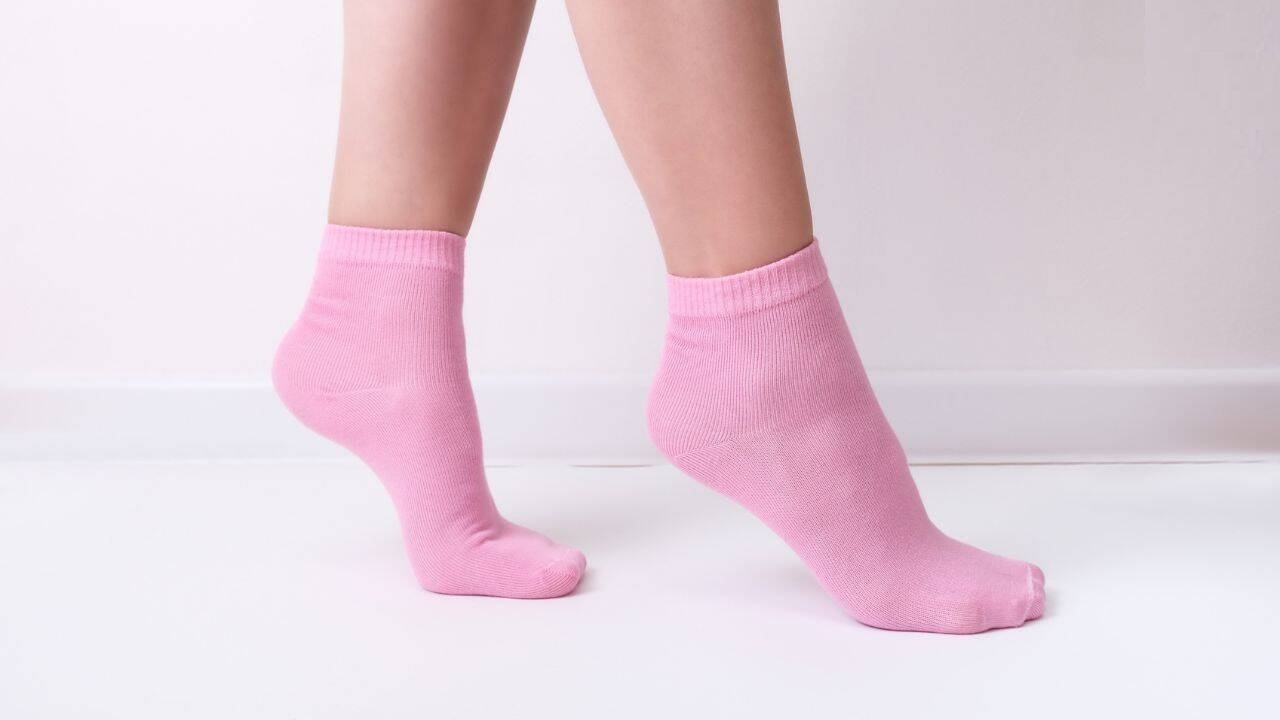
These days, a very simple but effective Japanese technique is making waves in the social media and fitness world, which is being called ‘Japanese Heel Raises’ or ‘Heel Drop’ technique. Japan’s health culture is known throughout the world for its simplicity, natural ways and longevity. In modern times, the desk job culture of sitting in front of a computer screen for hours has greatly limited the physical activity of people. In such a situation, this light exercise, done without any equipment, gym membership or lifting heavy weight, is becoming increasingly popular among everyone from fitness freaks to senior citizens.
According to Japanese health experts and researchers, the calf muscles of the leg are considered the ‘second heart’ of the human body. When you do a heel raise, the calf muscles stretch and contract, which helps pump blood from the lower legs back toward the heart. Additionally, when the heels are lifted and returned to the ground, a mild shockwave is produced in the bones, which is believed to be helpful in increasing bone density and protecting against osteoporosis.
In traditional language it is called Calf Raise, but in the Japanese method, special attention is paid to the style and rhythm of doing it. In this exercise, the person lifts the whole body up with the help of his toes and then brings the heels down to the ground in a controlled motion. In the Japanese technique, the heels are not only slowly brought down, but the back of the heel is made to touch the ground with a light impact so that a subtle mechanical vibration reaches the long bones of the legs and the spine.
This technique has been extremely popular in Japan as a home and community exercise to maintain mobility for the elderly, prevent osteoporosis (weakening of bones), and prevent blood clots in the veins (deep vein thrombosis). No big space is required to do this exercise; This can be easily done while standing in the kitchen, while brushing teeth or even by taking a 2-minute break in between work in the office.
According to medical science, blood in our body naturally flows easily towards the lower limbs i.e. legs due to gravity, but drawing the impure blood from the legs back up towards the heart is a challenging task. The gastrocnemius and soleus muscles of our calves work like a pump. When we raise our heels, these muscles put pressure on the veins, due to which the blood is pushed upwards and the valves of the veins prevent it from falling down.
This action provides immediate relief from swelling, heaviness in the legs, varicose veins and pain caused by sitting on a chair all day long. Better blood flow not only makes the legs feel lighter, but also drives away laziness and fatigue throughout the day by accelerating the distribution of oxygen and nutrients throughout the body.
Japanese researchers believe that when the heels are lifted and slightly dropped on the ground, bone cells (osteocytes) receive a signal of mechanical stress. This signal prompts the body to form new bones and absorb calcium better.
This process activates an important protein/hormone called ‘Osteocalcin’, which not only protects bone density but also plays a positive role in controlling metabolism, balancing blood sugar levels and maintaining better memory and cognitive health. This is considered a very suitable and safe exercise to reduce the risk of rapid weakening of bones after menopause in women.
With increasing age, body balance begins to deteriorate and the risk of falls increases. Doing Japanese Heel Raise strengthens the ankles, soles of the feet (Plantar Fascia) and calves, due to which the balance and stability of the body improves manifold.
Additionally, strong calves reduce excess pressure on the knee joints. For those who complain of pain in the knees while walking or climbing stairs, this exercise provides additional support to the joints by toning the muscles of the lower legs, which improves walking speed and posture.
To get the full benefit of this exercise, it is very important to follow the correct posture:
-
Starting position: Stand straight. Keep a distance equal to shoulder width between the legs. Keep the body straight and spine stretched. If your balance is weak, you can take support of a wall, chair or table in front with light hands.
-
Get up on toes: Taking a deep breath, lift the heels of both your feet off the ground and stand on the balls of the feet. Lift the body as high as possible and feel the stretch in the calves.
-
Wait a second: Reaching the top position, hold for 1 to 2 seconds to allow complete contraction of the muscles.
-
Bring the heels down: While exhaling, slowly lower the heels. According to Japanese technique, when the heel touches the floor, allow a very light, natural impact, but do not strike with so much force that the joints are shocked.
-
Repetitions (Reps): Initially do this in 2 to 3 sets of 15 to 20 times. As practice gradually increases, you can do it 30 to 50 times at a time.
Although this is an extremely safe exercise, caution should still be taken in certain situations. If you have severe plantar fasciitis, severe spinal disc problems, or recent knee/ankle surgery, avoid slamming your heels into the floor and only perform heel raises in a slow and controlled manner. Always practice on a flat and non-slippery surface. Don’t apply too much pressure in the beginning; Let your body gradually get used to this new routine.