 look news india

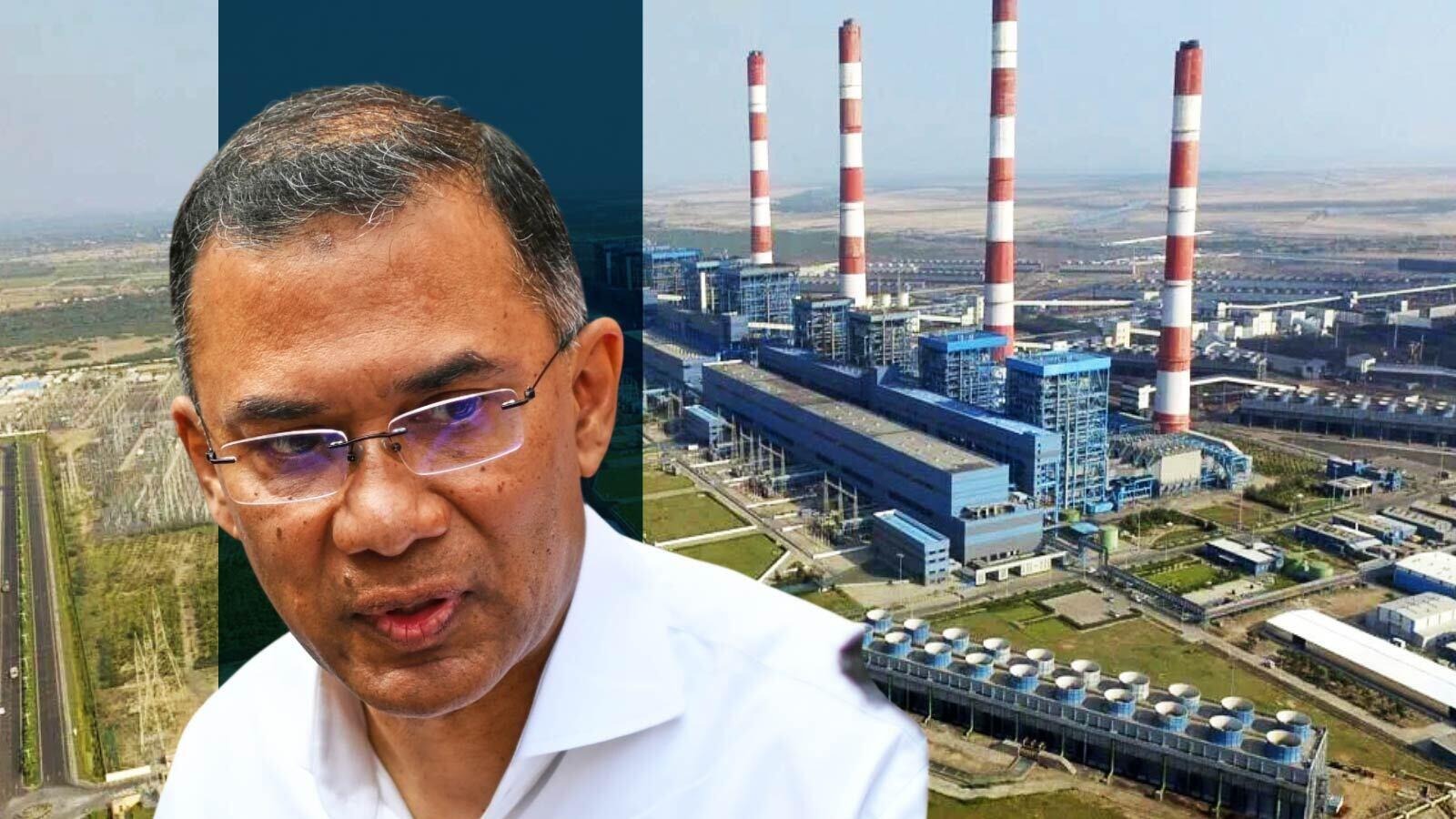
These days, a new storm has arisen in the corridors of politics and diplomacy of South Asia regarding the relations between India and Bangladesh. On one hand, there is intense diplomatic activity on international forums, while on the other hand, sensitive issues like energy and power supply have further increased the political excitement. Recently, various discussions are hot in the market regarding Bangladesh Nationalist Party (BNP) acting president Tariq Rahman not attending the BRICS conference and the stoppage or reduction in power supply from Adani Power’s Godda plant. From social media to mainstream news, this question is floating whether the electricity in Bangladesh has been cut due to diplomatic resentment? Keeping in mind all the parameters of Google Discover, Bing AEO, SEO and modern AI search (Generative Engine Optimization), let us investigate in depth each and every aspect of this entire incident and controversy.
BRICS conference and the meaning of Tariq Rehman’s absence
In international diplomacy, every small incident has big significance. There has been a long debate among diplomatic experts regarding the presence or absence of Bangladesh’s top political leadership and especially BNP acting president Tariq Rahman at the recently held BRICS summit. Such conferences are considered very important for strengthening mutual equations and regional influence between countries on international forums. Experts believe that amidst the changing political scenario in South Asia, the non-participation of leaders in such conferences leads to many speculations. Amidst the ongoing internal tussle between BNP and other political parties, the discussion is gaining momentum on how Bangladesh’s role in regional diplomacy and its decisions are impacting bilateral relations. Although diplomatic analysts also say that it is not entirely correct to see every political decision directly linked to energy supply or trade agreements, there remains a constant curiosity about it among the public.
Adani’s Godda power plant controversy and reality of power supply
Adani Power Plant, located in Godda district of Jharkhand state of India, has been a major center of energy trade between India and Bangladesh for some time. A large part of the electricity produced from this plant is exported to the neighboring country Bangladesh under special agreements. But recently many types of news came to light regarding the operation of the plant, outstanding payments and fluctuations in power supply. When rumors started from Bangladesh regarding power supply being affected or the operation of the plant, political parties started reacting sharply on it. BNP leaders openly expressed their concern and displeasure regarding this situation. Energy sector experts say that in any big commercial and power project, there is an administrative review from time to time regarding technical reasons, transmission lines or financial transactions and payment of outstanding bills, which is not appropriate to be linked to diplomatic vendetta. Despite this, there is confusion among the public as to whether political differences with neighboring countries are affecting the electricity supply to the general public.
BNP’s sharp stance and political rhetoric
Bangladesh’s main opposition party BNP has slammed the current interim government and its ongoing relations with India over the situation related to the Adani Godda plant and the issue of energy security of the country. BNP spokespersons and senior leaders have been alleging that the country’s energy needs should not fall victim to any kind of political uncertainty or diplomatic turmoil. The party argues that uninterrupted supply of infrastructure like electricity is extremely important for a developing country like Bangladesh, and if there is any disruption in it, it has a direct impact on the industries and the lives of common citizens. Political analysts believe that amidst the upcoming political changes and elections in Bangladesh, every party is using such sensitive issues to strengthen its political ground. Opposition parties are raising questions on the government’s policies by exaggerating the rumors of power cut or plant closure, due to which this entire matter is becoming an arena of domestic politics rather than diplomacy.
India-Bangladesh Energy Cooperation and Future Challenges
There has been unprecedented progress in the fields of energy, connectivity and trade between India and Bangladesh in the last decade. Thousands of megawatts of electricity is being continuously supplied to Bangladesh through grid interconnection from various power plants in India, which has helped in eliminating the energy shortage there to a great extent. The long-term agreements signed between the two countries are a testament to the fact that economic and commercial interests always trump diplomacy. However, whenever there is a partial reduction in plant production due to delay in payment or technical glitch, it is sensationalized. Experts believe that both the countries should make mutual communication more transparent so that there is no scope left for such rumors and political rhetoric. This economic cooperation between India and Bangladesh is beneficial for both the economies in terms of long-term energy security.