 look news india

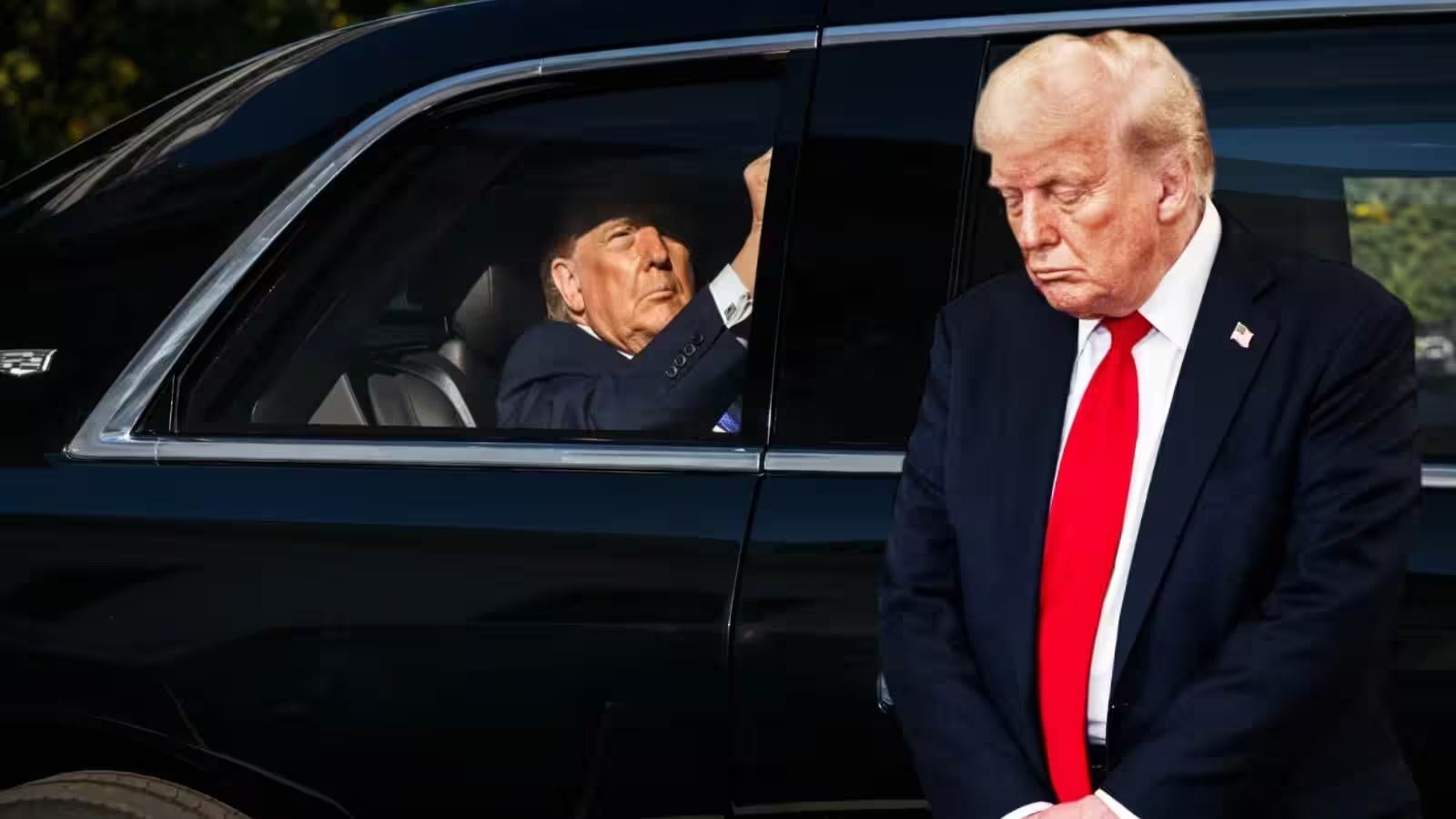
There is an earthquake in the political atmosphere of America these days, because the initial trends and results of midterm elections (US Midterm Results 2026) are bringing big setbacks for President Donald Trump. The strong performance of the opposition Democratic Party in the mid-term elections of the US Parliament and their lead in many key seats has posed a deep challenge to the administrative strategies of President Donald Trump and his Republican Party. After this political upheaval, the stir has intensified from the White House to Capitol Hill. Experts believe that if the Democrats establish control over both houses of the Parliament or especially the House of Representatives, then the remaining time of Trump’s second term will be surrounded by huge political deadlock, aggressive investigations and legal battles. Let us know in detail which five major threats are facing President Donald Trump after this rise of the Democrats.
The first and direct impact of the results of the US midterm elections will be on President Trump’s policy and legislative agenda. If the Democratic Party gains majority in the Houses of Congress or significantly strengthens its position, it will be almost impossible to pass new tax cuts, budget allocations, strict immigration laws and major policy bills brought by the Trump administration. Under the US Constitution, Parliament has the power to make the country’s laws. In such a situation, if a situation of divided government is created, the Democrats can block every law that the Trump administration wants to implement. Although Trump has the power of veto, due to lack of support at the legislative level, many of his ambitious projects may get stuck midway, which will weaken his hold at the political level.
After the victory of the Democrats, the biggest headache for the Trump administration may prove to be the rapid Congressional Investigations initiated by the Congress. As soon as they get majority in the House of Representatives, the opposition parties will start scrutinizing the files of White House decisions, administrative expenses, executive orders and previous policy decisions through various committees. House Democrats and their staff have already indicated that they will investigate whether the President has used his office for personal or political gain through hearings, subpoenas and demands for documents. Such intense parliamentary scrutiny will hamper administrative functioning and the White House will have to remain on the defensive.
Since there is every possibility of obstruction on the legislative front in Parliament, experts believe that the Trump administration may completely depend on Executive Orders to implement its agenda. President Trump has previously used executive powers extensively during his tenure on matters such as trade tariffs, immigration controls and environmental regulations. However, when the opposition party is strong in Parliament, every single executive order of the administration is immediately challenged in the federal courts. Many of Trump’s tough decisions will remain entangled in legal complications as human rights organizations, opposition leaders and Attorney Generals of various states complicate these decisions in the courts.
The US President requires Senate approval to appoint the federal judiciary, various Cabinet positions, independent regulatory commissions, and top officials to effectively carry out his policies. If the equations in the Senate or Parliament tilt in favor of the Democrats or the opposition has the upper hand in a close contest, it will be easier for the opposition to block or significantly delay the nomination of judges and key administrative officials to be nominated by Trump. Slowing down the process of appointing judges with conservative ideology may deal a major blow to the long-term ideological and judicial agenda of the administration, which will create discomfort in the governance system.
The results of the midterm elections will not only affect legislative work for the next two years, but will also become a litmus test of the Republican Party’s political standing ahead of the upcoming presidential election in 2028. If voters go against Trump’s policies and give their mandate in favor of the Democrats, it is bound to raise internal discord within the party and questions about leadership. Opposition parties will present this as a growing resentment against the President’s policies and among the public. Moreover, if public anger over issues like economy, inflation, and rising cost of living continues to come out through ballots, it will become a big challenge for the White House to maintain its political popularity and hold.