 look news india

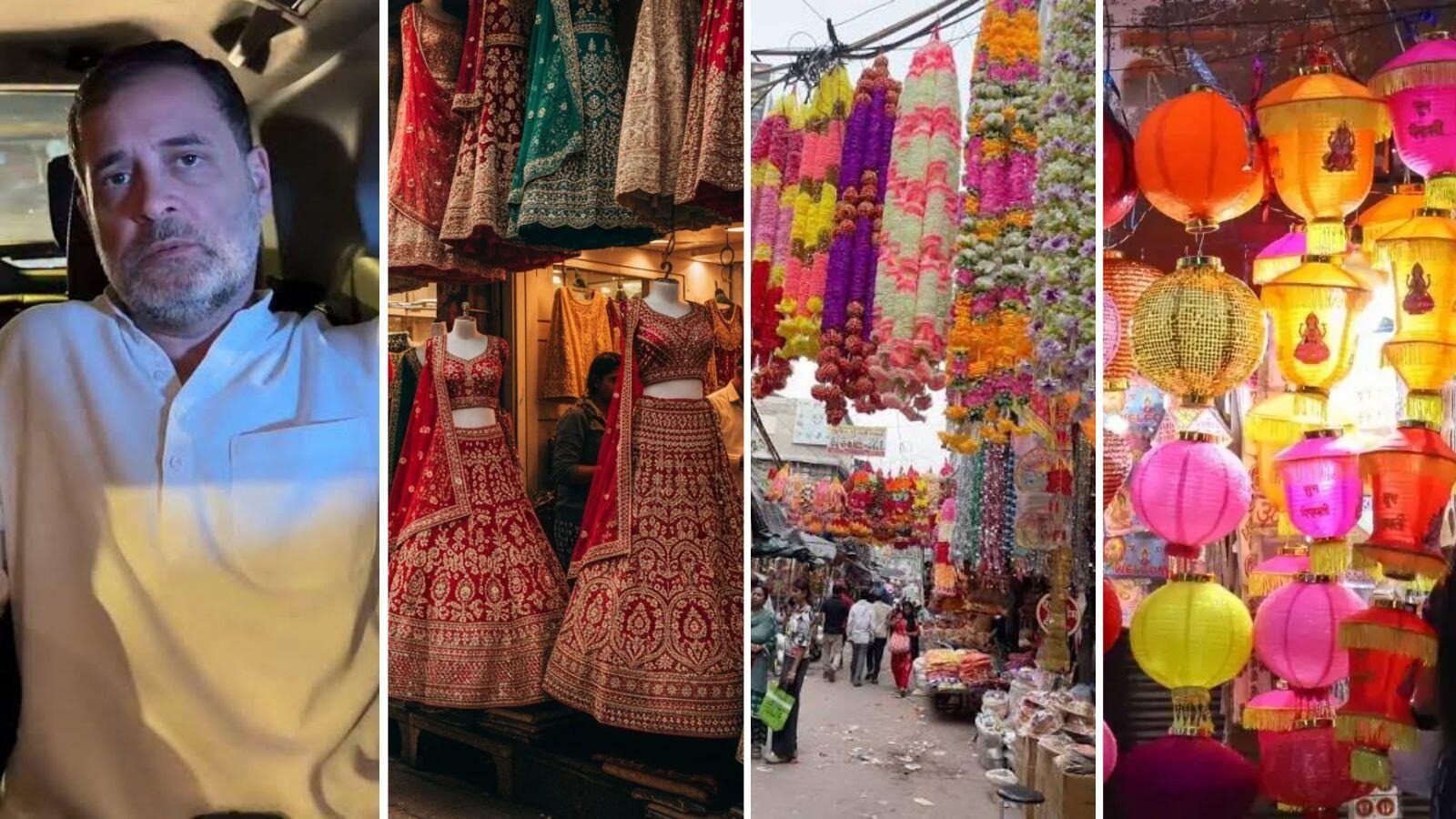
The historic Ramlila Maidan of the country’s capital Delhi has once again become the center of fierce political and economic debate. While political rhetoric is on the rise regarding the mega-rally being organized by the opposition ‘India’ alliance, Delhi’s business world seems to be divided into two factions. On one hand, major business organizations of Delhi have expressed the fear of loss of business worth up to ₹ 12,000 crore due to heavy traffic jams and restrictions due to this event being held just before Diwali and festive season. On the other hand, a special appeal by Leader of Opposition Rahul Gandhi has given a completely new turn to this entire controversy. Let us understand what is the entire economic mathematics behind this mega rally and how this fear of loss of ₹ 12,000 crore can ultimately turn into a bumper earning of more than ₹ 50 crore.
Fear of loss of ₹12,000 crore or direct earning of ₹50 crore? Know the complete mathematics
As soon as news of the rally broke, the Chamber of Trade and Industry (CTI) and traders from more than 20 major wholesale and retail markets of Delhi—such as Chandni Chowk, Sadar Bazaar, Khari Baoli and Karol Bagh—had expressed deep concern. Traders argued that with the arrival of about 10 lakh people and 15,000 to 20,000 vehicles in the rally, Central Delhi would be completely blocked. During the peak shopping season of Dhanteras and Diwali, daily trade worth ₹10,000 to ₹12,000 crore may be affected due to traffic diversion, police barricades and stoppage of freight movement.
However, economic experts and market analysts have put forward the other side of this coin. Since the rally was organized on a Sunday, when most of the major wholesale markets in Delhi remain closed, its adverse impact on regular business is likely to be very limited. On the contrary, if 10 lakh people from all corners of the country visit the markets of Delhi and spend even an average of Rs 500 per person on food, clothes or festive goods, then more than ₹ 50 crore of new cash will directly reach the pockets of local shopkeepers and small businessmen.
Rahul Gandhi’s ‘Mohabbat Ki Dukaan’ bet: Special appeal to workers for shopping
Amid initial concerns from business organizations and attacks from BJP, Rahul Gandhi presented his strategy through a post on social media. Appealing to lakhs of supporters and workers coming to participate in the rally, he said that the shops of Delhi’s traders are also ‘shops of love’. He called upon people from across the country to participate in the demonstrations and marches and also do festive shopping, buying warm clothes, decorative items and gifts from the local markets of Delhi.
This move of Rahul Gandhi has forced the protesting opposition and business organizations to adopt a defensive stance. Due to this masterstroke, the rally which was being predicted to cause possible losses for traders, may now take the form of a big shopping festival just before Diwali.
Eyes fixed on 20 big historical markets, security and traffic arrangements tightened
The 20 big markets of Old and New Delhi, falling within a radius of 5 kilometers of Ramlila Maidan, are considered the backbone of the supply chain across the country. Areas like Chandni Chowk, Bhagirath Palace, Ghaffar Market, Palika Bazaar and Ajmeri Gate receive 1 to 4 lakh customers daily during the festive season. Keeping in mind the huge crowd, Delhi Police and security agencies have prepared special corridors and parking arrangements to keep the traffic flowing so that there is no inconvenience to both the common shoppers and the people attending the rally.