 look news india

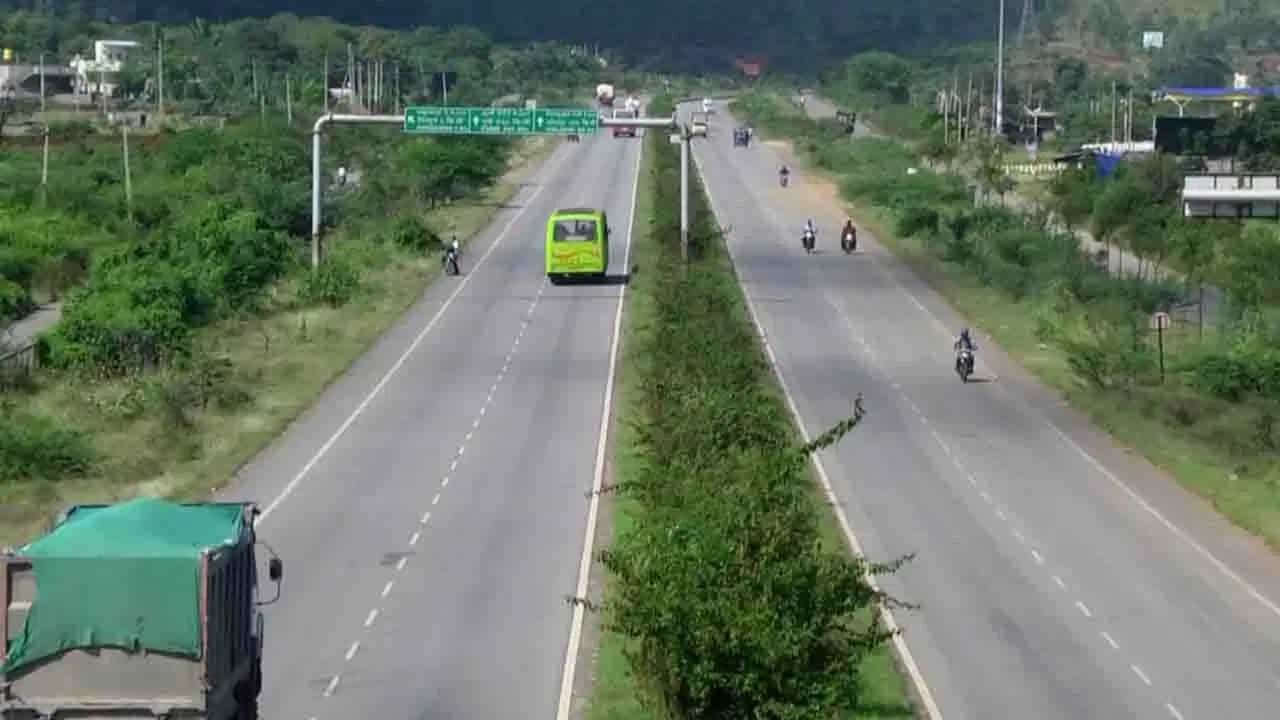
After the National Highway in Bihar, now there is going to be additional burden on the pockets of drivers traveling on state highways and big bridges. The state government has taken a major policy decision to implement road user fee i.e. toll tax on 55 state highways and 47 major bridges of more than 250 meters length in the state with the aim of better maintenance of infrastructure and raising revenue. This proposal has been formally approved in the important meeting of the state cabinet. After this decision, traveling through the main roads connecting different districts of the state will no longer be completely free like before. However, the government has made it clear that toll collection will not start with immediate effect, rather complete technical and infrastructural preparations will be made for it in a phased manner.
According to the official information given by the Cabinet Secretariat Department, work has started on the initial processes to develop toll collection system on important state highways and major bridges on major rivers of Bihar. Under this, the services of a high level consultant agency will be taken, on which administrative approval of about Rs 30 crore 94 lakh 71 thousand 500 has been given. This consulting company will prepare the framework for setting toll tax rates on roads and bridges, selecting the location of toll plazas, setting up the digital system and monitoring the entire system. The government believes that collecting toll directly without scientific planning can lead to traffic jams and chaos, hence it has been made mandatory to conduct a technical study first.
Before setting up toll plazas, a comprehensive traffic survey will be conducted on the concerned 55 state highways and 47 bridges. The main objective of this survey will be to find out how many four-wheelers, buses, trucks and other commercial vehicles pass through which route or bridge every day. Along with this, through Origin-Destination Survey, it will be tracked as to which direction the vehicles are originating from which city or village. From this data it will be clear what is the capacity of the road and how many lanes of toll plaza should be built there so that there is no jam situation. If there is excessive pressure on any bridge, modern automatic boom barriers and many booths will be built there.
Bihar government has clarified that all toll plazas built on state highways and bridges will be completely digital. On the lines of National Highway Authority of India (NHAI), all these booths will be connected with FASTag technology. For this, special computer system, Automatic Number Plate Recognition (ANPR) cameras and technical equipment will be installed. Help of special technical institutions will be taken to prepare the technical infrastructure. With Fastag becoming mandatory, drivers will not have to stop for cash transactions and the toll fee will be automatically deducted from the bank account or wallet. By keeping the entire system online, transparency will be maintained in toll collection and scope for corruption will be eliminated.
At present, many mega bridges have been built in Bihar on big rivers like Ganga, Kosi, Gandak, Son and Bagmati, whose length is more than 250 meters. In the first phase, 47 major bridges of more than 250 meters length have been identified, which act as lifelines between the districts. After the implementation of toll, private car drivers, taxis and commercial vehicles will have to pay the fixed fee to cross these bridges. This will have a direct impact on working people and businessmen who travel daily. However, toll rules usually provide for monthly passes or concessional rates for local non-commercial vehicles, the final decision on which will be taken after the survey report.
The implementation of toll tax on state highways is expected to have a direct impact on the logistics cost. When cargo trucks and trailers are charged toll, transporters may increase freight fares, which may have an indirect impact on prices of everyday goods and construction materials. Similarly, private bus operators can also revise the fares of long distance and inter-district buses. On the other hand, the road construction department argues that the revenue from toll will be used directly for widening of these roads, pothole-free maintenance, road safety measures and strengthening emergency ambulance services, which will make the journey safer and faster.
According to state government officials, the process of selecting the consultant company, completing detailed traffic survey, marking land, physical construction of the toll plaza and agency selection will take several months. Actual collection will be started only after the technical infrastructure is completely ready and the toll rates are approved by the cabinet. Till then, the general public and drivers will be allowed to travel on these routes without any toll as before.