 look news india

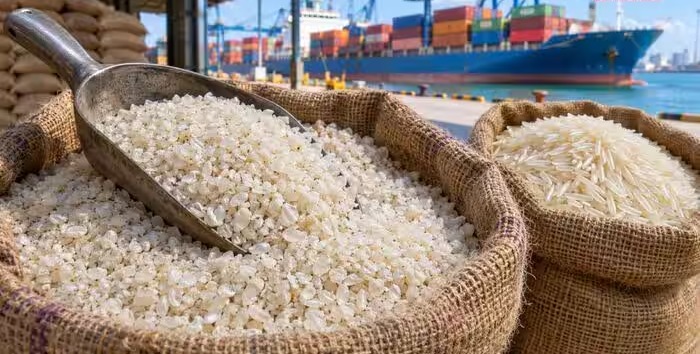
A big change is being seen these days in the market of agricultural commodities, from the international market to the domestic level. While on one hand the availability of the main grain in the country remains satisfactory, on the other hand, rice, a part of the dinner plate, has come into the center of discussion which was once valued at a very low price. We are talking about broken rice, the prices of which are continuously increasing not only in India but also at the global level. After this surge, the question is now gaining momentum that can the government once again take the tough step of banning its export?
According to the recent report of Indian Rice Exporters Federation (IREF), the prices of 100% broken rice in the global market has crossed the important figure of US$ 360 per metric tonne. This strength in the international market is having a direct impact on the domestic economy and local business. Experts believe that the sudden surge in global demand and increasing consumption on the domestic front have once again made this low-value by-product a matter of concern for policy makers.
Amidst the global turmoil, the prices of broken rice are rising rapidly within the country too. According to data received from the Department of Consumer Affairs, the all India average wholesale price of broken rice has increased to Rs 3,036 per quintal, whereas a few weeks ago it was around Rs 2,883 per quintal. Within just three weeks, prices have increased by about 5.3 percent. Apart from this, the annual inflation rate based on Wholesale Price Index (WPI) has also increased to 5.38 percent, which clearly shows that the inflation pressure on domestic consumers and related industries is increasing.
The biggest reason behind the huge increase in the prices of broken rice and the talk of export ban is the rapid expansion of the ethanol blending program in the country. Due to the government’s ambitious target of mixing ethanol in petrol, the demand for grain-based raw materials has reached record levels. This includes maize and rice other than FCI as well as loose broken rice. Private distilleries companies are purchasing it on a large scale from the open market. This has resulted in intense competition between poultry feed manufacturers and rice exporters for the availability of raw materials.
As early as the year 2025, India had removed the old restrictions on the export of broken rice and put it in the ‘free’ category, so that global trade could be promoted. However, considering the way the current situation is changing and wholesale prices are continuously rising, agricultural trade experts believe that if there is more pressure on the supply chain in the domestic market, then the government may consider imposing restrictions or policy restrictions on exports again to control food security and inflation.