 look news india

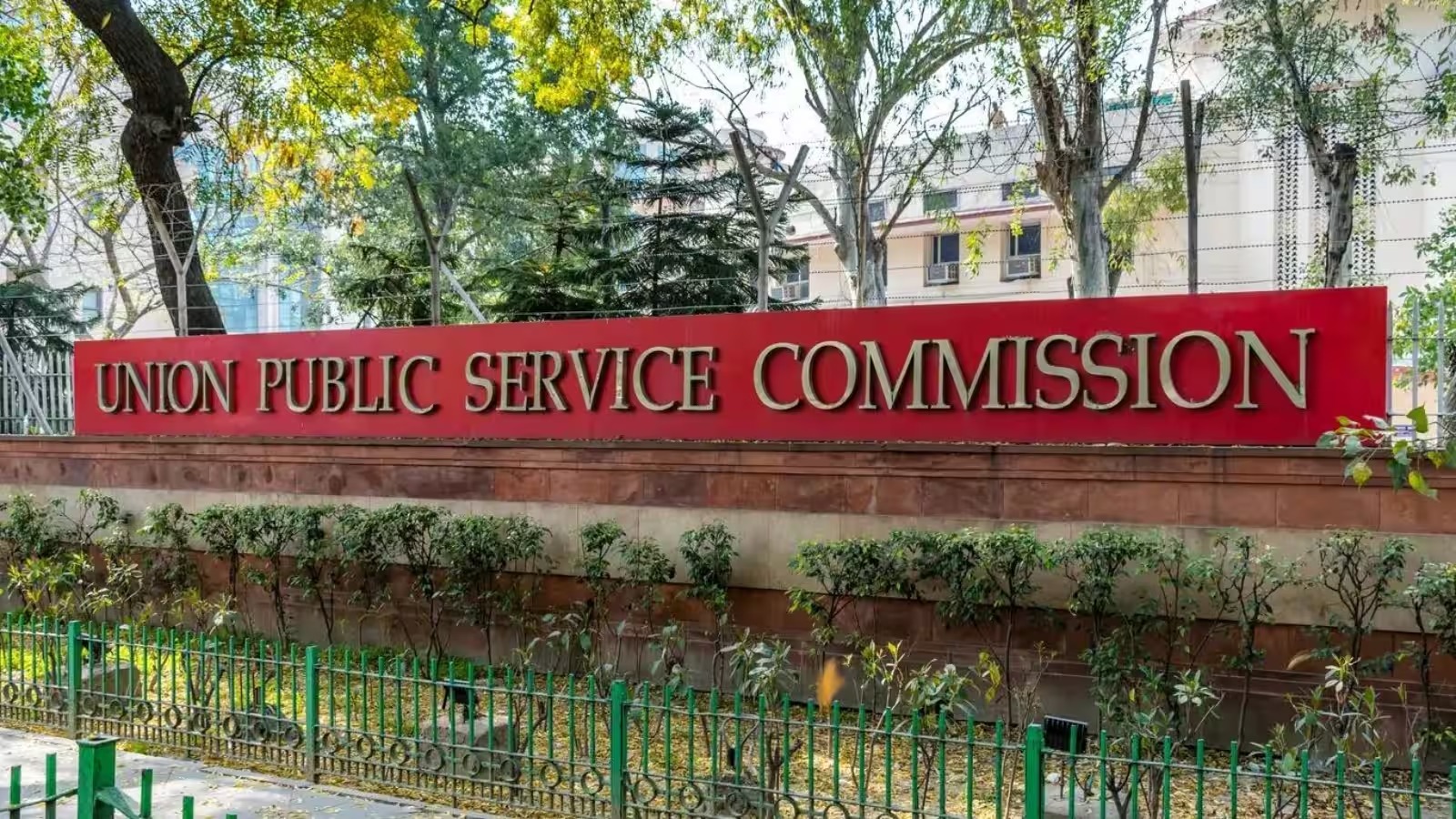
The Civil Services Examination of the Union Public Service Commission (UPSC) is counted among the most difficult and prestigious examinations in the country. The last and most important stage of this marathon journey is the personality test i.e. interview, where a little carelessness can spoil the years of hard work of brilliant students. If you are also going to appear in the examination of the year 2026, then before sitting in front of the board, definitely know about those five common mistakes, which often break the dreams of the candidates of becoming IAS or IPS.
After passing the written examination of UPSC, this interview round not only tests your knowledge, but it is also the biggest test of your personality, mental balance, decision making ability and administrative acumen. It is often seen that even the candidates who score excellent marks in the written examination lag behind in the final merit list due to small mental or practical lapses in front of the interview board. Former UPSC members and experts believe that your confidence, your humility and your body language inside the interview room play a decisive role in your selection. In such a situation, it is very important for the candidates to identify in time those shortcomings which cause failure.
First mistake: Appearing before the board with a fake personality
Often, to impress the interview board, candidates go to the interview board wearing an artificial or artificial persona which does not match their real nature at all. Experienced and distinguished members sitting on the board can sense within a few minutes of conversation which candidate is natural and who is pretending. When you hide your true personality and try to be something else, your body language and responses start to appear contradictory, which has a negative impact. So always appear before the board with your real and honest image, because they judge your truthfulness along with your competence.
Second mistake: Over-confidence or insistence on arguing on any question.
Many times when the board members want to know the candidate’s opinion on any controversial or sharp question, some students become over-confident and start adamant on their point or start arguing with the interview panel itself. This is considered to be the biggest and fatal mistake of UPSC interview. You always have to keep in mind that the panel sitting there is much ahead of you in age, experience and knowledge. Even if you disagree on an issue, expressing your views in a polite, logical and balanced manner reflects your administrative maturity, not stubbornness.
Third Mistake: Lack of basic knowledge of your optional subjects and curriculum vitae (DAF)
If the basic questions filled in the Detail Application Form i.e. DAF related to your hobbies, your home district, your educational background and your optional subjects are wrong, then it gives a very negative message. Candidates often assume that they did graduation or post graduation long ago, so now they do not need to remember everything. But the UPSC Board expects that a prospective civil servant should be fully aware and alert about his background and the environment around him.
Fourth mistake: Lack of clarity and equivocation while answering
During the interview, when a question is asked to which the candidate does not know the exact answer, instead of directly saying ‘Sir, I do not know this’, he starts talking about it in long and roundabout ways. Candor and transparency are considered the biggest qualities in civil service. Admitting ignorance to the board is considered much better than lying or digressing. Expressing your views in correct and measured words and accepting ignorance graciously shows your strong character.
Fifth Mistake: Having poor body language, dressing sense and a negative attitude
Choice of clothes, sitting posture, eye contact and body language like tension or nervousness on the face decide the first impression of your personality. If your dressing is too gaudy or uncomfortable, or you shy away from looking board members in the eye, it reflects your weak self-confidence. Furthermore, showing a completely pessimistic or negative approach in response to any problem puts a question mark on your usefulness as a future administrator. By paying special attention to all these small things, you can make your path to success easier.