 look news india

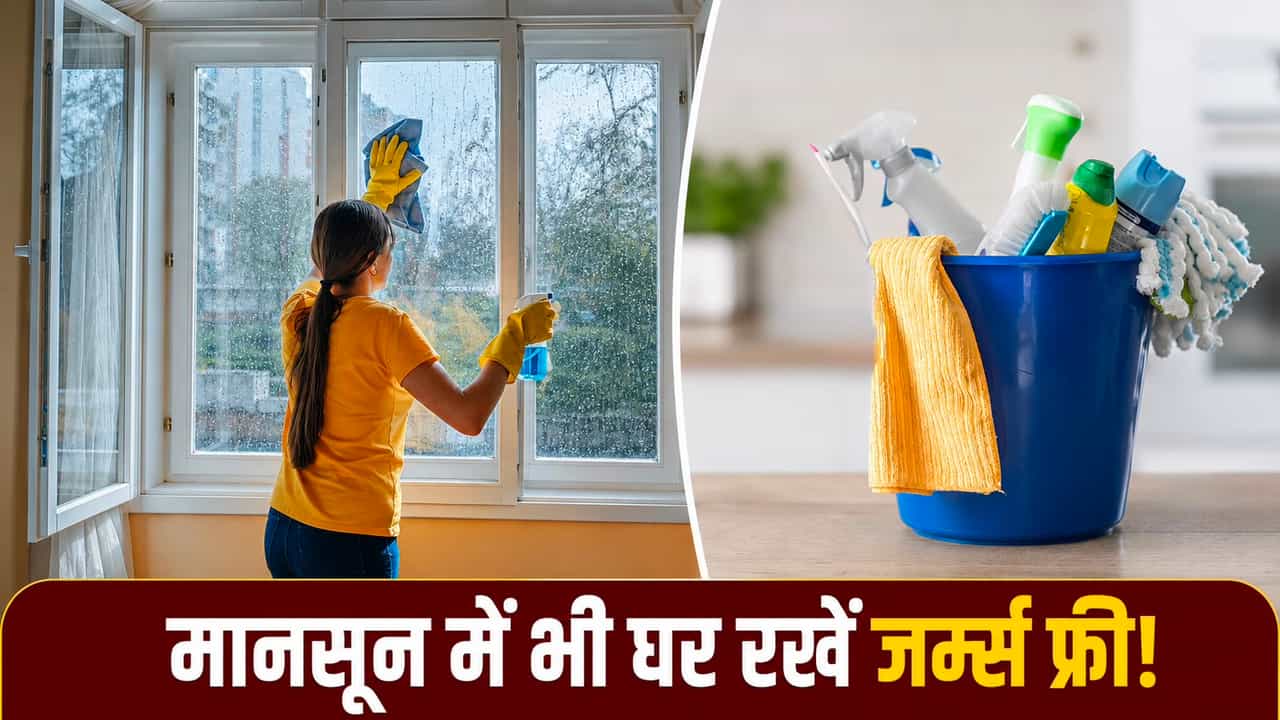
The rainy season brings relief from the scorching heat and freshness of greenery all around, but it also brings with it high humidity, dampness, insects and the risk of infectious diseases. During monsoon, the humidity level in the atmosphere reaches 80 to 90 percent, which creates the most favorable environment for the growth of bacteria, viruses and fungus (mold). In this season, invisible germs start spreading rapidly in closed corners of the house, wet clothes, kitchen sink, bathroom and even in the air. If timely attention is not paid to the cleanliness and sanitization of the house, then family members may face problems like cold, flu, diarrhea, food poisoning, skin infection and allergies. It is not enough to keep the house clean from outside, but it is very important to make it germ-free and hygienic from inside. By adopting some easy and very effective home remedies, you can keep your home completely safe from diseases during this rainy season.
Why do germs, fungus and bacteria grow rapidly in the house during monsoon?
During rainy days, due to less sunlight and continuous rain, there is lack of natural ventilation and light inside the house. When moisture gets absorbed into walls, curtains, mattresses and wooden furniture, ‘black mold’ and spores of fungus grow there. These fungi not only cause a strange musty smell in the house, but also when inhaled into the lungs, trigger asthma and respiratory allergies. Along with this, millions of harmful germs reach the living room and bedroom of the house through wet soil from outside, dirty water from drains and shoes.
7 surefire and easy ways to keep every corner of the house germ free
These 7 practical steps prove to be extremely helpful in keeping the house completely sanitized and safe during monsoon:
-
1. Change in the method of mopping the floor: Instead of mopping with just plain water, add good quality disinfectant liquid, neem extract or white vinegar and some rock salt to the water. Salt and vinegar are natural anti-bacterial agents that destroy germs on the floor and help absorb moisture. Mop at least twice a day and dry the floor immediately by running a fan.
-
2. Create ‘dry and safe zone’ at the main gate: In the rain, shoes, slippers and wet umbrellas coming from outside are the biggest means of bringing germs inside the house. Keep a separate rubber mat or shoe-rack at the main door of the house. Do not take wet shoes inside the house immediately, let them dry outside first. Along with this, dry and wash the doormats kept on the door regularly in the sun.
-
3. Protect shelves and wardrobe from dampness: It is common for clothes to become moldy and smell bad due to moisture in the clothes cupboard. Keep pouches of camphor tablets, cloves, dry neem leaves or silica gel pouches in the corners of the cupboard. The smell of camphor and cloves keeps insects and termites away and keeps moisture under control. Whenever the rain stops, open the cupboard doors for some time so that fresh air can come inside.
-
4. Make the kitchen a bacteria-free zone: Due to moisture in the kitchen, bacteria spread rapidly around utensils, cutting boards and dustbins. Boil dishwashing sponges and kitchen cloths in hot water and salt for 10 minutes every night, because wet kitchen sponges are the biggest home for bacteria. Clean cutting boards with lemon and baking soda. Always keep kitchen dustbins covered and empty and disinfect them daily.
-
5. Deep Cleaning of Bathroom and Drainage Pipes: Due to continuous presence of water in the bathroom, black fungus starts accumulating in the joints of the tiles. Scrub the bathroom walls and floor thoroughly with bleaching powder or anti-fungal cleaner twice a week. Pour baking soda and vinegar with hot water in the drains at night to prevent insects, cockroaches and foul smell from forming in the drain pipes.
-
6. Use of cross-ventilation and dehumidifier: Whenever the rain stops and there is light sunshine or fresh breeze outside, open all the windows of the house and balcony doors. It is very important to maintain air circulation inside the house. In rooms with excessive humidity, run an exhaust fan or keep a bowl of baking soda or raw charcoal in the corner of the room, which naturally absorbs excess moisture from the room.
-
7. Prevent water logging in indoor plants and pots: Do not allow water to accumulate in plant trays, air cooler tanks and plates under pots kept inside the house. Stagnant water becomes a breeding ground for Aedes and Anopheles mosquitoes, which spread dengue and malaria. Lightly hoe the soil of the plants once a week so that fungus does not grow in the soil.
Natural remedies to remove dampness and smell from clothes and sofa
Due to lack of sunlight during monsoon, clothes do not dry completely for many days and they start smelling sour. Never leave wet clothes piled one on top of the other inside the room. When washing clothes, add half a cup of white vinegar or a few drops of tea tree oil in the final rinse. Tea tree oil is a powerful natural anti-fungal element that completely eliminates fungus and bacteria from clothes. After washing the clothes, immediately spread them on a hanger and dry them under a fan and before wearing them, do a hot iron (iron) so that the remaining micro moisture also gets removed.
How to keep indoor air pure and fragrant?
To keep the air at home pure and fresh, use natural incense instead of chemical-rich room fresheners. In the evening, burn dry neem leaves, jaggery, frankincense and a little camphor in the house and spread its smoke throughout the house. This ancient Indian Ayurvedic method is considered infallible in completely removing harmful microorganisms, mosquitoes and negative energy from the home environment. Apart from this, keep air-purifying plants like snake plant, money plant and aloe vera in the house which help in filtering indoor toxins.
The pleasant monsoon season can be enjoyed to the fullest only when your family remains completely healthy and safe. Include these small and effective rules of hygiene in your daily life and provide your home with a strong protective shield from all kinds of bacteria, viruses and diseases during monsoon.