 look news india

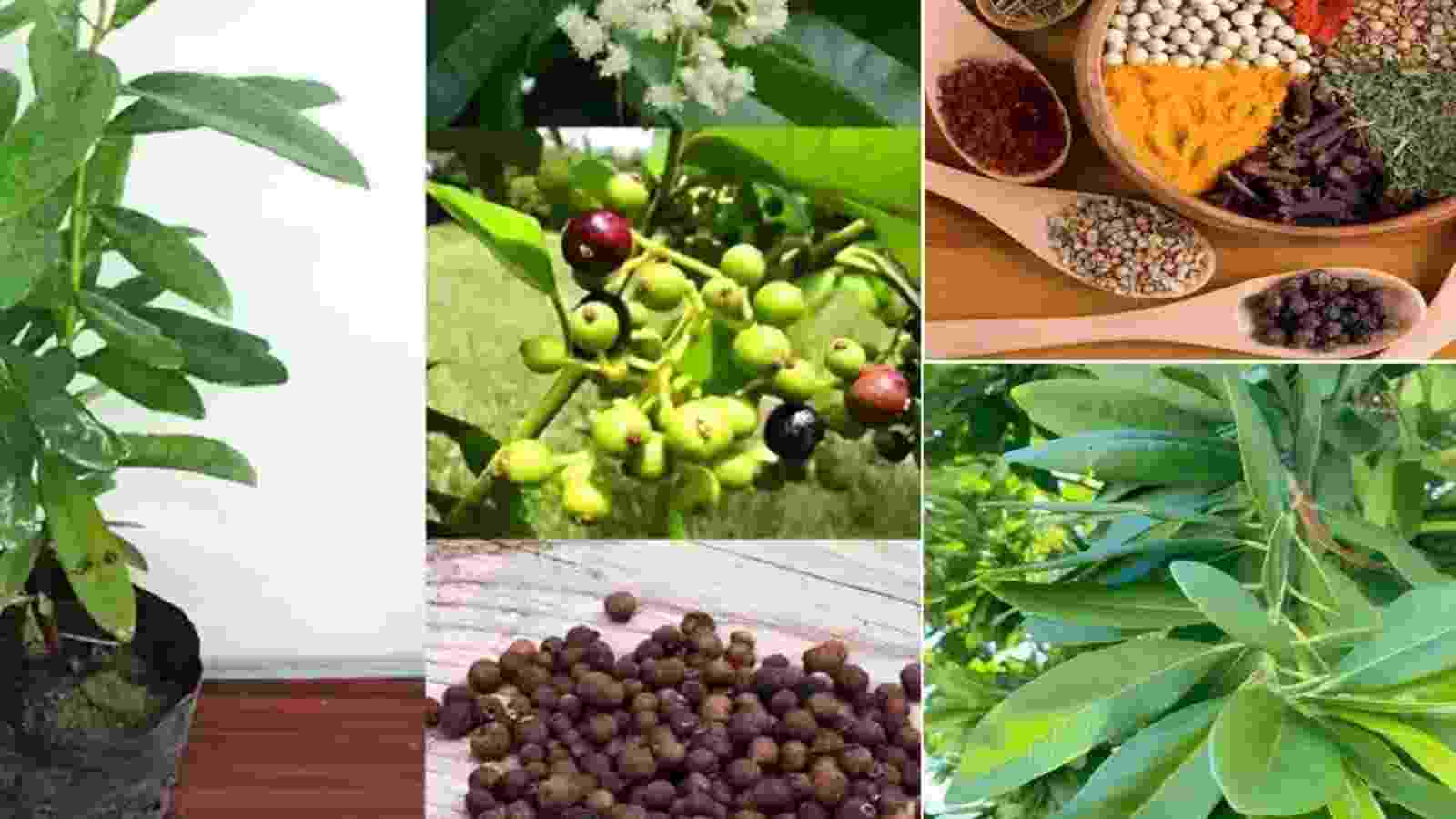
Spices like clove, cinnamon, nutmeg and black pepper are considered to be the most important spices in Indian kitchen. Every special dish, be it aromatic biryani, thick gravy based curry, pulao or winter bitter masala tea, the taste remains incomplete without these spices. But do you know that there is such a magical plant in nature, whose fresh leaves are crushed and the spicy and sweet aroma of clove, cinnamon, nutmeg and black pepper is simultaneously felt?
In the world of gardening and botanical science, this plant is ‘Allspice’Botanical name Pimenta dioica and in Indian local language ‘Sarvamasala’ or ‘hot spice plant’ It is said.
This evergreen tree, originally from Jamaica, Mexico and Central America, is known for the essential oils present in its leaves and berries. It mainly consists of ‘Eugenol’bioactive compounds such as caryophyllene and cineole, which are also naturally present in cloves and cinnamon. Even if you do not have land or a big garden at home, you can still grow it very easily in a medium-sized pot on your balcony or terrace and enjoy the aroma of fresh spices 365 days a year.
How to plant allspice plant in a pot on the balcony or terrace of the house?
It is very easy to plant allspice in a pot at home. All you need to do is choose the right container, well-drained soil, and the right plant to start with:
-
Selection of healthy plant from nursery: Growing allspice from seed takes a long time (3 to 5 years). Therefore, the best way is to buy from a good certified government or private nursery. Air-Layered/Grafted Plant Buy. While buying a plant, make sure that its leaves are dark green and the stem is strong.
-
Correct size of pot: Initially choose a 10 to 12 inch clay or terracotta pot. As the plant becomes larger and bushier in 2-3 years, re-pot it into a larger 16 to 18-inch container or grow-bag. It is mandatory to have a drainage hole in the bottom of the pot.
-
Nutrient Rich Soil Mix:
-
40% normal garden soil
-
30% well decomposed cowdung manure or vermicompost
-
20% coco peat or river sand – so that there is no waterlogging
-
10% Neem Khali Powder and one spoon bonemeal – for protection from fungus and termites
-
-
Planting Method: Place the pot on the drainage hole of the pot. After filling half the soil, cut the nursery bag with a blade and place it straight in the center of the pot without damaging the root-ball of the plant. Fill the soil from all sides and press it lightly and water the pot abundantly for the first time.
Sunlight, water and nutrition: important rules for proper plant care and fertilization
Allspice is a tropical plant, so it likes mild humidity and ample sunlight. For its longevity and dense leaves in a pot, keep these things in mind:
-
Sunlight: water the plant at least daily 4 to 6 hours of direct sunlight Should be found. Morning sunlight is most suitable for this. However, during the scorching heat of May-June (above 42°C), keep it semi-shaded (under a green net) to prevent the leaves from getting scorched by the hot sun.
-
Watering rules: Water only when the top 1 inch of soil in the pot becomes dry. There should always be slight moisture in the soil, but do not allow swamping or overwatering in the pot, because this causes the roots to rot.
-
Organic Fertilizers every month: Every 30 to 45 days, lightly loosen the top soil of the pot and add 2 handfuls of vermicompost or leaf mold to it. By giving Mustard Cake Liquid Fertilizer twice a year (February and September), the shine and aroma of the leaves doubles.
-
Pruning and Pinching: Instead of letting the plant shoot straight up, keep doing light pinching (pruning) of its upper branches. This will make the plant dense, bushy and bushy at the bottom, giving you lots of fresh leaves every day.
How to use in kitchen? Unique taste from pulses and vegetables to masala tea
Allspice leaves and seeds can be a great natural alternative to many expensive dry spices in your kitchen:
-
Replacement of bay leaves and garam masala: While making pulao, matar paneer, chickpeas, rajma or dal tadka, add 1 to 2 fresh allspice leaves to the chaunk. It provides the combined flavor of cinnamon, cloves and bay leaves together.
-
Immunity Booster Masala Tea and Kadha: While making morning tea or herbal decoction, add crushed small fresh allspice leaf along with ginger. Its sweet clove-cinnamon aroma gives café-like freshness to the taste of tea and provides instant relief to the throat.
-
Uses in biryani and soup: Using its leaves in non-veg dishes, marinations, veg clear soups and stews eliminates the need for artificial food essences or expensive spices.
-
Dry powder of leaves: If you have more leaves, you can dry them in shade and grind them finely in a mixer. You can store this homemade allspice powder for months in an airtight jar for use in baking, pasta sauces and as a garam masala.
Boon in health and Ayurveda: Miraculous benefits of allspice leaves
Apart from taste and aroma, allspice leaves have many medicinal and healing properties:
-
Improves digestive system and relieves gas: Drinking herbal tea made from its leaves provides quick relief from the problems of bloating, indigestion, gas and acidity. It activates the digestive enzymes of the intestines.
-
Natural pain killer and anti-inflammatory properties: Due to the presence of eugenol, it helps in soothing joint pain, muscle swelling and headache.
-
Effective in oral health and toothache: If there is a toothache or swollen gums, then pressing an allspice leaf under the tooth and chewing it provides an anesthetic effect like clove and eliminates bad breath.
-
Balance of blood sugar and immunity: The powerful antioxidants present in it strengthen the immune system and protect the body from seasonal flu, cough and cold.
Planting an Allspice (Sarvamasala) plant in the balcony of your house not only fulfills your gardening hobby, but also gives you a treasure of 100% organic and fresh leaves, free from adulterated spices from the market every day, which will add fragrance to every dish in your kitchen.