 look news india

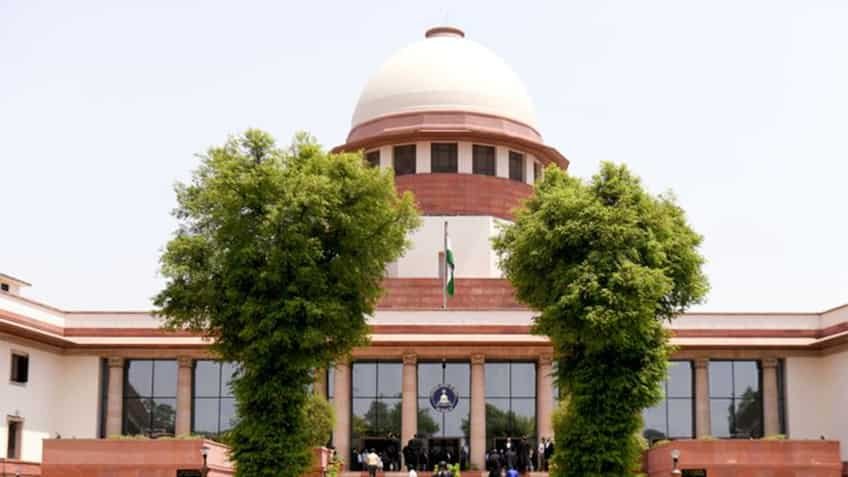
When the family sitting outside the ICU or chemotherapy ward of the hospital takes the prescription from the doctor, there is an unknown fear floating in their eyes along with the hope of saving the lives of their loved ones. More than the disease, this fear is due to the bill, which crosses the figure of lakhs of rupees with every cycle. When the actual cost of life-saving cancer drugs and their selling prices were recently revealed in the Supreme Court, the country’s largest court, it was not just a matter of legal arguments, but brought to the fore the rot in the Indian health system where the business of selling breaths is going on. Citing PILs and reports of regulatory agencies, this shocking fact was placed before the apex court that indiscriminate trade margin of 500 to 700 per cent and in some cases up to 900 per cent is being charged on many important cancer injections and tablets. This simply means that the medicine which costs only Rs 1,000 to prepare and deliver to the supplier is being sold to helpless patients at a huge MRP of Rs 8,000 to 10,000.
In India, the ‘Maximum Retail Price’ (MRP) printed on medicines was fixed for the safety of patients, so that no seller can charge arbitrary prices, but today this MRP has become the biggest legal weapon of institutional loot. Pharmaceutical companies deliberately mark many times higher MRP on their medicines. The real game behind this is to attract hospitals and distributors. Hospitals prefer to stock their in-house pharmacy with medicines from only those companies in which they get the highest commission or trade margin. When an oncologist prescribes a particular brand of medicine, the patient is forced to buy the expensive medicine from the counter inside the hospital, despite there being options in the open market. The data filed in the Supreme Court made it clear that while the drug is going from manufacturer to retailer, the real profit neither goes to the scientists nor goes to research and development, rather the huge margins in between go directly into the coffers of hospitals and suppliers.
Cancer in India is not just a fatal disease, but it is a tragedy that breaks the financial backbone of an entire family. According to various health studies and NITI Aayog indicators, about 60 to 70 percent of health expenditure in India is borne by people out of pocket. When cancer is diagnosed in a middle-class or low-income family, savings are lost within the first six months. After this begins the endless process of selling ancestral land, mortgaging house jewelery and taking loans at huge interest rates. The stories of caretakers spending the night on the footpaths outside big government institutions like Lucknow’s SGPGI, Delhi’s AIIMS or Mumbai’s Tata Memorial are living proof of the failure of this system. Many times the head of the family stops the treatment midway only because the cost of each injection of medicines ranges from Rs 50 thousand to Rs 1.5 lakh. The question arises that when the production cost is so low, then under what moral and constitutional right are they being allowed to earn 700 percent profit on these life-saving molecules?
The Supreme Court has made very serious comments on the stand of the Central Government, National Pharmaceutical Pricing Authority (NPPA) and the Health Ministry in this entire matter. The court has clearly asked that when every citizen has the ‘right to life’ under Article 21 of the Constitution, and health is an integral part of that right, then why is there no strict government control on the prices of life-saving medicines? Under the National List of Essential Medicines (NLEM), the government fixes the maximum price (ceiling price) of some medicines, but dozens of new immunotherapy, targeted therapy and advanced chemotherapy medicines for cancer are still out of this list. Why has the Trade Margin Rationalization (TMR) policy, which has been talked about for years, not been strictly implemented on all essential medicines till now? In 2019, the government had launched a pilot scheme to limit trade margin on select drugs to 30 per cent at the first point of sale, which provided direct relief to patients worth crores of rupees, but there is clear policy hesitation in implementing that limit broadly across the entire oncology segment.
It is often argued by the government that cheap generic medicines are being made available through Pradhan Mantri Bharatiya Jan Aushadhi Pariyojana and Amrit stores. This initiative is certainly commendable, but the needs of cancer patients at the grassroots level are not being fully met by it. Advanced biosimilars and monoclonal antibodies used in modern cancer treatments are often unavailable at local Jan Aushadhi centres. Additionally, indirect restrictions on the use of over-the-counter medicines in many private hospitals or mandates for specific branded medicines by doctors prevent patients from availing the benefits of Jan Aushadhi. Unless doctors make it mandatory to prescribe salt in generic name and strict legal action is not taken against the hospital administration’s pharmacy monopoly, the full benefits of these welfare schemes will not reach the last patient.
Facing a deadly disease like cancer, the patient and his family are in the most mentally weak state. At such a critical time, charging them a trade margin of up to 700 percent is pure murder of human sensibilities. This strict monitoring of the Supreme Court is a decisive warning to health policy makers. Experts believe that the central government should limit the trade margin on all non-scheduled life-saving drugs to 20 to 30 percent with immediate effect, without any corporate pressure. Along with this, it is mandatory to provide exemption in customs duty on imported medicines, encourage local biosimilar manufacturing and bring transparency in the billing system of hospitals. This plea, which has reached the doorstep of the Supreme Court, is the last hope for survival of crores of cancer patients of the country, and now it remains to be seen whether the system will break the syndicate of profiteers or the patients will continue to die in the quagmire of expensive treatment.