 look news india

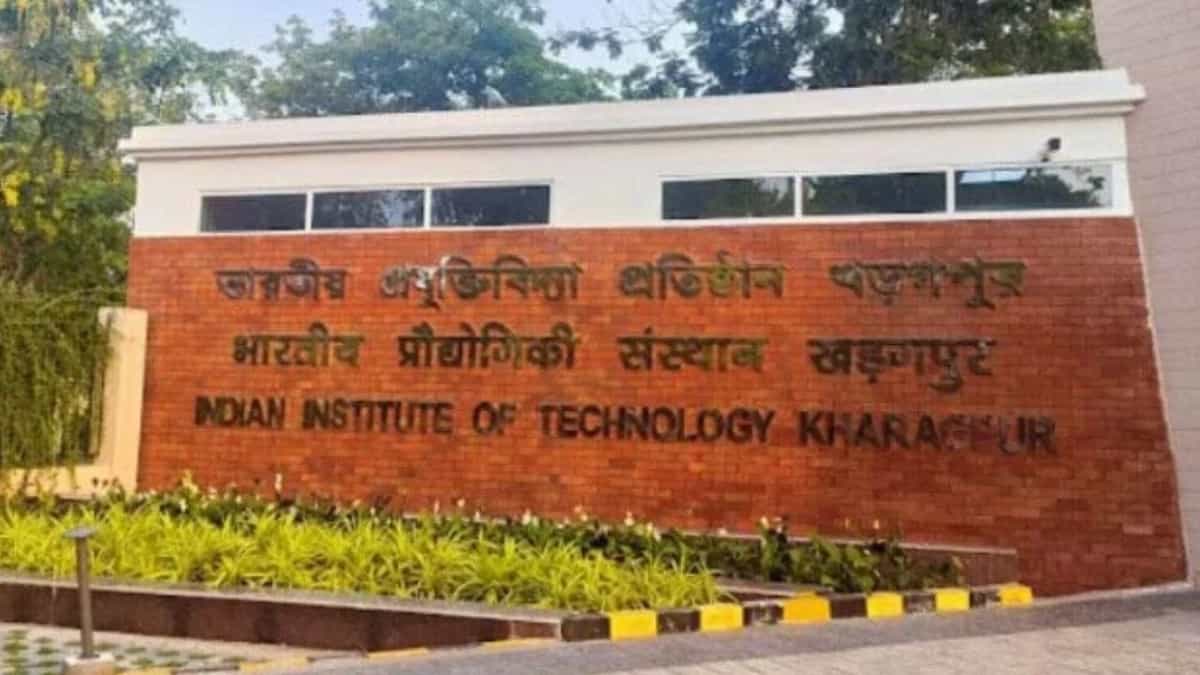
Whenever the pages of the history of Indian education are turned, the story of the establishment and initial days of the country’s first Indian Institute of Technology i.e. IIT surprises everyone. Can you imagine that the institute from which young people are emerging today and are making their mark in big tech companies across the world, was not started in any grand modern campus of the country but within the walls of a very dreadful and infamous jail of the British era? Yes, this is a historical truth about which very few people know that immediately after independence, when preparations were going on to lay the foundation of higher technical education in the country, due to lack of infrastructure and classrooms, the country’s first IIT classes were held in the barracks of an old jail. Where once the dreaded prisoners and freedom fighters had to endure the torture of the British, in the same historical campus, the selected meritorious students of that era were taught the technical formulas of modern engineering and the tricks of science.
Kharagpur’s violent history and the story of Hijli Detention Camp
We are talking about Hijli, located in Medinipur district of West Bengal, where there used to be a notorious detention camp during the British rule. This camp was built by the British government to imprison those freedom fighters and political prisoners who raised their voice against the British for the independence of the country. There were such strict and scary security arrangements inside this jail that even the best prisoners used to tremble before going inside. But after the country became independent, when Pandit Jawaharlal Nehru and visionary educationists took the initiative to establish high quality technical institutions in the country, this Hijli Camp of West Bengal was chosen. It was decided to turn this dreadful page of history into a chapter of a new and bright future, so that the same land where the story of slavery and torture was once written, could later become the biggest temple of the country’s technological self-reliance and development of science.
How prison barracks became the classrooms of the country’s first IIT
When this first institute of the country was established in the year 1951 as ‘Eastern Higher Technical Institute’, initially it did not have any new building or modern campus of its own. In such a situation, the administration showed speed and converted the huge barracks, rooms and administrative buildings of the same historical Hijli Detention Camp into classrooms by slightly improving them. The barracks which were once the accommodation for prisoners were converted into laboratories and lecture halls. Under the shadow of those old walls, the first batch of students from every corner of the country started learning the basic formulas of mathematics, physics and engineering. This experience was extremely exciting and challenging for the students and early professors, as they were shaping the future of the country in a place whose past was filled with stories of slavery and conflict. Later this institute got its official name ‘Indian Institute of Technology, Kharagpur’ (IIT Kharagpur) and it gave the country the distinction of being the first IIT campus.
The journey from the story of slavery to building a self-reliant India
This journey from Hijli Jail to becoming the largest and most prestigious engineering institute of the country is the biggest proof that with strong will and vision, any bad or painful history can be transformed into the axis of development of the country. Today, when a student strolls through the vast and modern campus of IIT Kharagpur, one rarely realizes that the foundation of this grand institute was laid within the walls of those old and dreadful jails. This place also reminds us that we have got this freedom only after the sacrifice and struggle of our freedom fighters, and the edifice of modern science has been built on the same land of independent India. Today this historical place is a source of inspiration for every young engineer of the country, which teaches that even in the most difficult circumstances, if the objective is clear, a great future can be created by rewriting the pages of history.