 look news india

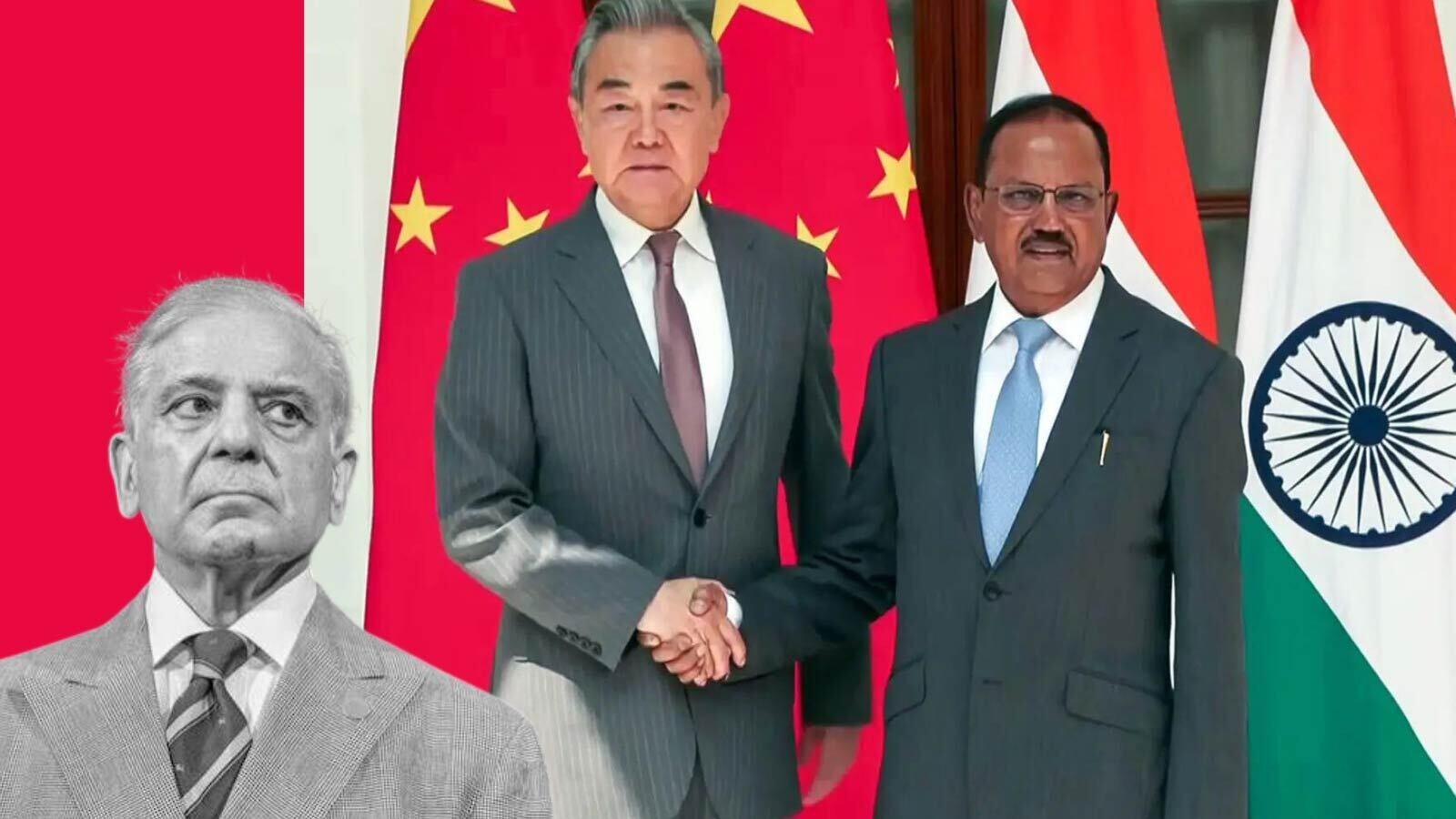
In international diplomacy and geo-politics of South Asia, the excitement regarding Kashmir and Pakistan occupied Kashmir (PoK) has once again become very intense. For the last few days, there is a strong rumor in the corridors of Islamabad that the Pakistani rulers are planning a deep conspiracy to make a huge and unexpected change in the administrative and constitutional structure of PoK on the lines of India’s historical ‘Article 370’. Just as the Indian government had completely integrated it with the mainstream of the country by removing Article 370 from Jammu and Kashmir in the year 2019, now Pakistan is plotting to completely change the status of PoK and merge it like any other of its provinces, in order to divert attention from its domestic and international failures. Not only are the internal political compulsions of Pakistan behind this sudden geopolitical turmoil, but the nefarious economic and strategic pressure of China is also being said to have a big role behind it, which is forcing it to do so in order to give legal security cover to the CPEC project.
Why did the murmur of changing the status of PoK increase?
Over the past decades, a superficial special administrative structure has always been maintained over Pakistan-occupied Kashmir (PoK), which Pakistan officially calls ‘Azad Kashmir’, but the actual control has always been from the military headquarters in Rawalpindi and the Prime Minister’s Office in Islamabad. Now, what kind of crisis has suddenly come that the Shahbaz Sharif government and its powerful army are preparing to completely overturn the existing legal and constitutional structure of this region? The biggest reason behind this is that the local Kashmiri people have been protesting violently on the streets for the last several months against Pakistan’s oppressive rule, heavy taxes, power cuts and human rights violations. Frightened by the huge public revolt and anti-Pakistan slogans, the rulers are now trying to try some new constitutional trick to strengthen their direct and iron grip on this region, so that every voice of opposition can be crushed forever.
China’s CPEC project and strategic compulsion
At the center of this entire incident, the dragon i.e. China’s expansionist policies and its ambitious China-Pakistan Economic Corridor (CPEC) are playing the most important role. The main route of CPEC passes through Gilgit-Baltistan and other areas of this disputed PoK, on which international law and India have been continuously expressing their strong objection. Since this area is legally considered a disputed area, foreign investors and China itself are always afraid of what will happen to their billions of dollars of investment if the geopolitical equations change in the future. To give legal protection to its strategic and economic investment, China is continuously pressurizing Pakistan to change the constitution of this area and declare it as its official province. This is the reason why at the behest of Beijing, a nefarious plan to change the status of PoK is being prepared rapidly in Islamabad.
India’s tough stance and strategic monitoring
India’s intelligence agencies and the Ministry of External Affairs are keeping a close and strict eye on any action of Pakistan. India is completely firm and clear in its stand that the entire Pakistan occupied Kashmir (PoK) is and will remain an integral part of India. Any unilateral change by Pakistan in the internal affairs of India or the geopolitical structure of PoK will be considered completely illegal and against international treaties. The strategists sitting in New Delhi understand very well that Pakistan is making such dangerous moves to divert the attention of its people from the severe economic crisis, inflation, starvation and political instability going on within the country. Indian strategic experts believe that if Pakistan has any audacity to change the demography of PoK or its legal status, it may have to suffer heavy consequences at the diplomatic and military levels.
Impact on international diplomacy and regional stability
This so-called ‘Article 370’ like move by Pakistan may once again put the peace and security of South Asia in danger. If Pakistan, which is already vocal about the Kashmir issue in the United Nations and other global forums, starts any legal process to annex or forcibly merge PoK, it may have to face huge isolation at the international level. Western countries and human rights organizations are already keeping an eye on the atrocities committed by the Pakistani Army in Balochistan and PoK. Such a forced administrative reshuffle could lead to a civil war-like situation at the local level as the local people are fed up with Pakistan’s rule and feel deeply connected to their historical ties with India. In the coming days, this development is going to become a big center of international diplomacy, on which the eyes of the whole world are fixed.