 look news india

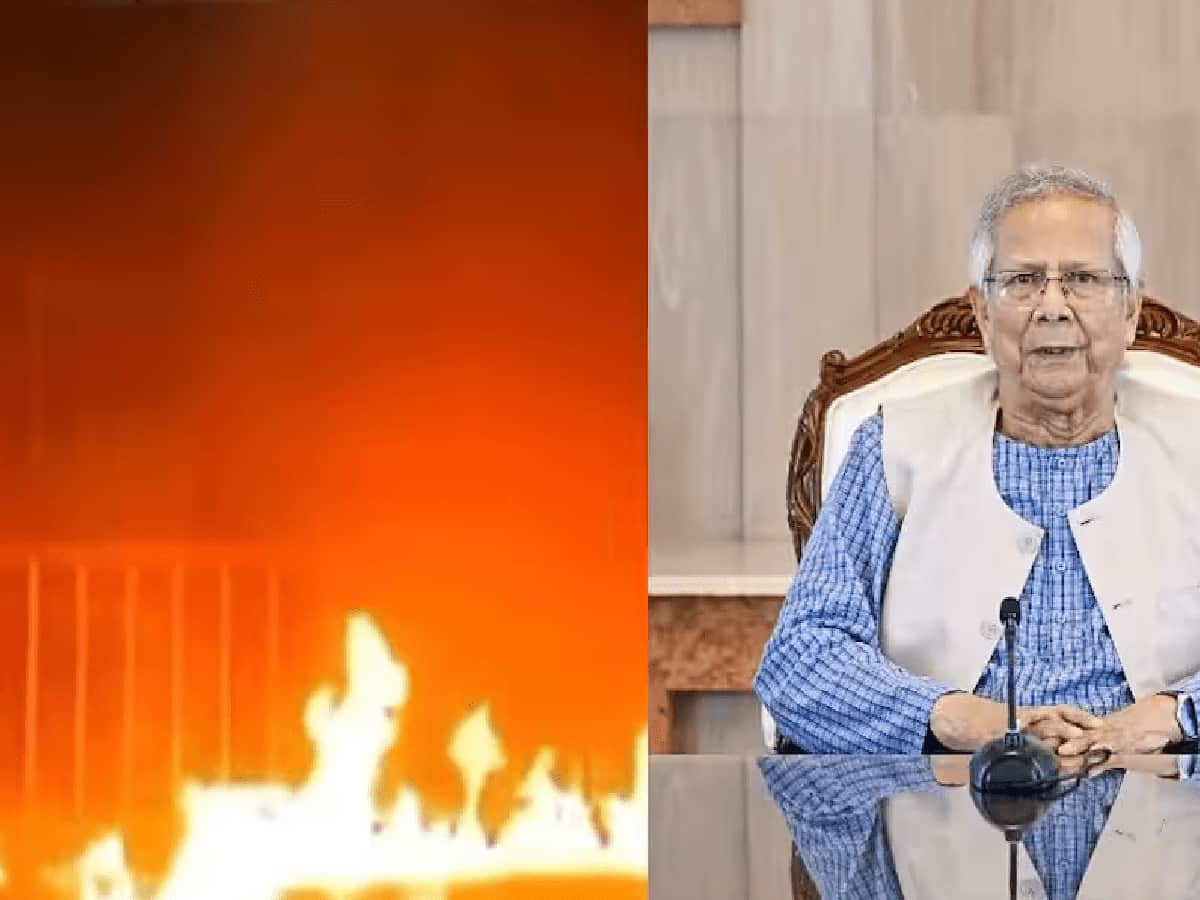
A very scary period of anarchy, violence and unrest has once again returned to the politics and streets of Bangladesh, a neighboring country of South Asia and India. The latest developments in Bangladesh, which has been suffering from political turmoil and tension for a long time, have worried the entire region. Violent protests have erupted in many parts of the country just ahead of talks of the possible return of former Prime Minister Sheikh Hasina and the lockdown proposed by her banned party Awami League. During this fierce demonstration, the protesters set fire to the ancestral house of Mohammad Yunus, while the incidents of crude bomb blasts in many districts have spread panic among the people. There are reports of arson, vandalism and clashes from the capital Dhaka to rural areas, in view of which the administration and security forces have been put on high alert. Let us know in detail what is the real reason for this violence in Bangladesh and in which areas the situation remains the most tense.
According to latest reports, the law and order situation in Bangladesh has deteriorated rapidly during the last two days and incidents of violence have been recorded in different parts of the country. Incidents of arson have been reported in areas like Barisal, Rajshahi, Sylhet and Faridpur. In this sequence, protesters and miscreants set fire to the ancestral house of Mohammad Yunus in Chittagong, which created chaos in the area. Apart from this, it has also been reported that several branches of Gramin Bank linked to Mohammad Yunus were targeted and set on fire. Explosions of crude bombs were also heard at many places in the capital Dhaka, which created an atmosphere of great fear among the common citizens and passers-by.
The fire of violence in Bangladesh is not limited to only a few selected cities, but its scope is spreading rapidly. According to reports, activists of Prime Minister Tariq Rahman’s party Bangladesh Nationalist Party (BNP) have been accused of attacking and setting on fire the houses of two Awami League leaders inside Dhaka overnight. The seriousness of the situation can be gauged from the fact that dozens of incidents of crude bomb explosions have been reported in 28 out of total 64 administrative districts of Bangladesh. Many vehicles have also been burnt during this violence. At least four people were reported injured in violent incidents in Dhaka, while four people died in West Narail district. The dead are said to include two local leaders of the ruling party, a BNP leader and a transport worker, further deepening the tension.
The administration has made strict security arrangements to handle the deteriorating law and order situation across the country and to prevent any major untoward incident. Officials have informed that thousands of paramilitary personnel of ‘Border Guard Bangladesh’ (BGB) have been deployed to maintain peace and law and order in sensitive districts. Gopalganj, the birthplace of former Prime Minister Sheikh Hasina, is also included in the sensitive areas which are being kept under special watch. Patrolling has been increased by the security forces and suspicious activities are being closely monitored so that the situation can be brought under control.
Amidst the political and security crisis arising after the announcement of lockdown, Bangladesh Prime Minister Tariq Rahman has issued a strong message to the countrymen on Wednesday night. He appealed to the people to unite to prevent the possible return of the Awami League. In his statement, Tariq Rehman termed Awami League a terrorist organization and described it as a ousted and defeated fascist force. The entire international community, including neighboring countries, are keeping an eye on the direction the situation will take in the coming days amid growing political bitterness within Bangladesh, ongoing violence on the streets and strong statements.