 look news india

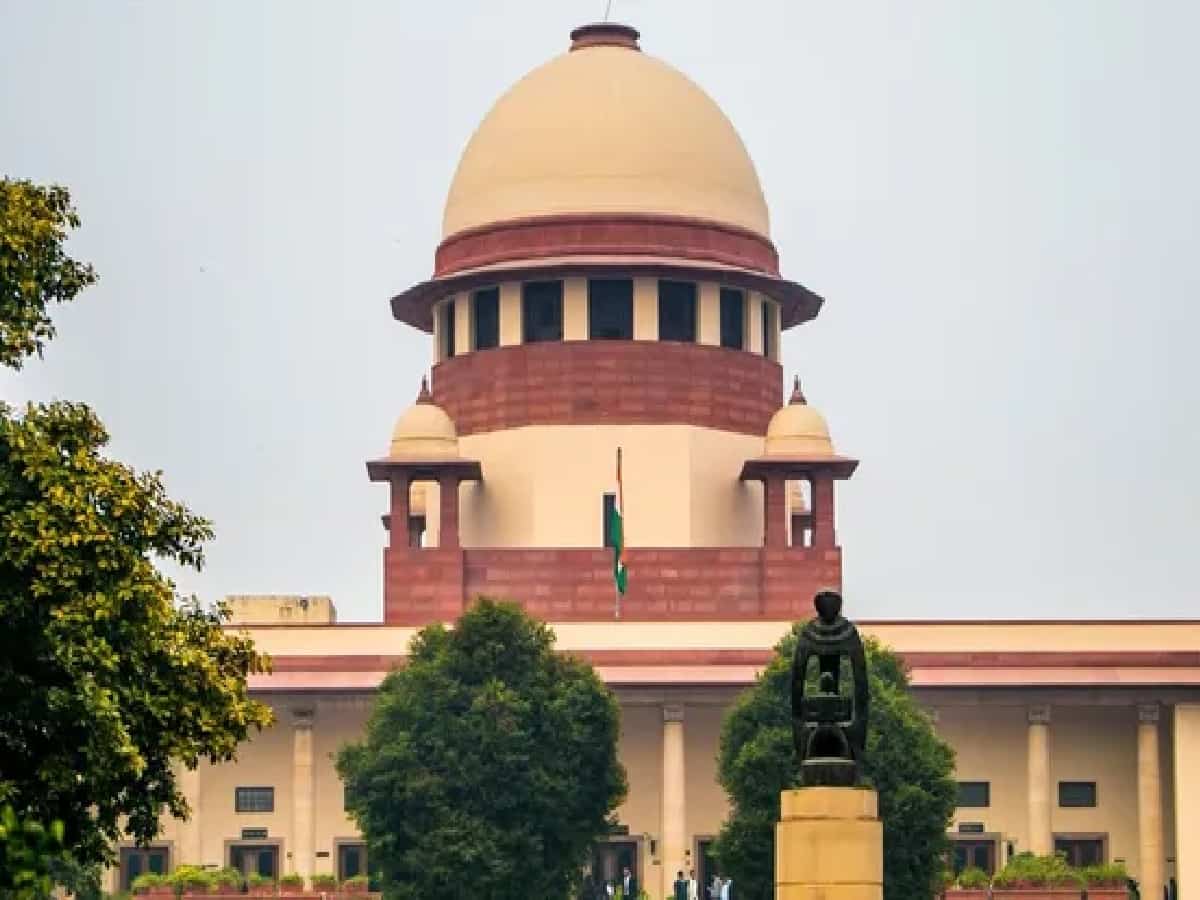
On the auspicious occasion of Hindi Diwas, the top court of the country has sounded the trumpet of a historic and epoch-making initiative to bring the judicial system closer to the understanding of the common man. The Supreme Court of India has formally announced the launch of a unique public awareness initiative named ‘Public Information Service’. For decades, the decisions which were limited only to lawyers and judges due to legal maneuvers, heavy English terminology and complex orders, will now reach the common citizens, poor litigants and especially the disabled people sitting in the villages and towns of the country, directly in their mother tongue. The Supreme Court believes that real justice is not limited to being delivered in closed rooms of the court, but unless a common Indian citizen understands the basic spirit of the decision in his favor or against him and its socio-legal impact in his own language, the goal of universal access to justice remains incomplete.
This new ‘Public Information Service’ framework launched by the Supreme Court has been designed in a multi-dimensional format as per the needs of the modern digital era. Under this, a very simple, clear and without any legal complexity Hindi summary of important legal orders related to constitutional benches, public interest litigations and wider public concerns will be prepared. Along with this, for the first time in the country, the apex court itself will broadcast special Hindi audio and video bulletins of approximately 15 to 30 minutes duration. In these bulletins, experienced legal analysts will explain in simple language what the actual dispute was before the court, under which Article of the Constitution or law the arguments were made, and what far-reaching impact the final decision will have on the daily life and rights of the common man.
This revolutionary initiative is going to prove to be a great boon especially for those litigants, elderly and disabled citizens who were unable to read or understand hundreds of pages of English judgments due to visual impairment or lack of formal legal education. The availability of audio format will enable visually impaired citizens to directly understand the gist of the judgment by listening, while the visual bulletin will enable even the hearing-impaired or less literate people to feel directly connected to the functioning of the apex court. The basic objective of this initiative of the Supreme Court is to make the justice system completely inclusive, transparent and democratic, so that along with showing deep respect for Indian languages, the unwavering faith of the public in the judicial system can be further strengthened.
It has also been made clear in the official statement of the Supreme Court that although this ambitious service is being formally launched with the national language Hindi on the occasion of Hindi Diwas, but its scope will not be limited to this only. In the coming times, it will be extended to all the major Indian languages included in the Eighth Schedule of the Constitution like Tamil, Telugu, Bengali, Marathi, Gujarati, Kannada, Oriya and Malayalam in a phased manner. The main objective of this multilingual digital expansion is to empower the last mile citizen of every linguistically diverse state and territory of the country, so that linguistic barriers never stand between the understanding of justice and fundamental rights.