 look news india

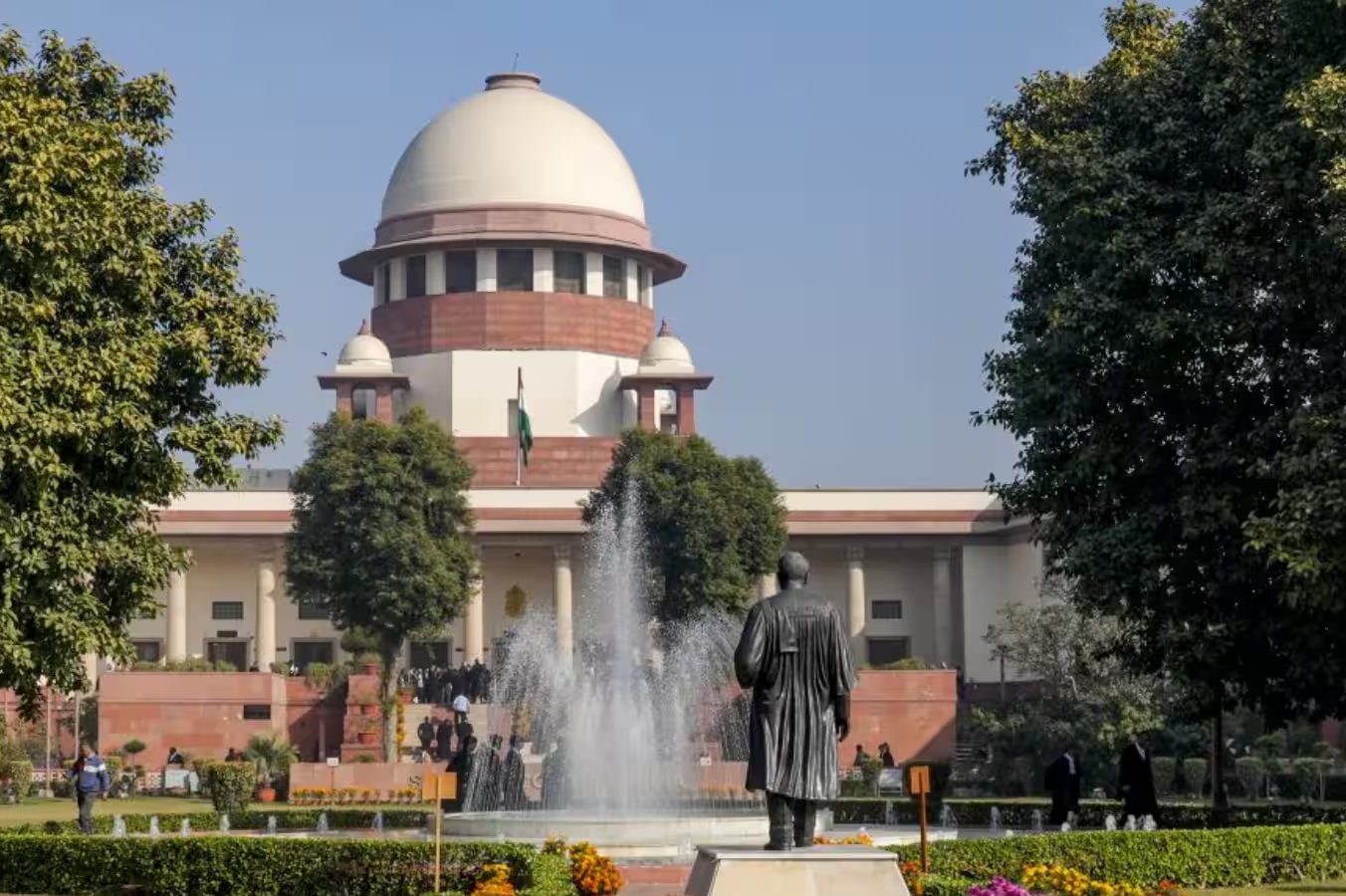
On the front of Indian justice system and law and order, the Supreme Court of the country has given a very important, clear and far reaching message decision, which has shaken the entire police administration and administrative staff. In one of its important remarks, the Supreme Court has bluntly said that to maintain law and order in the country, it is absolutely necessary for the police force to be strict and deal strictly with the criminals, but during this entire process, the police will have to work within the limits prescribed by the Constitution and laws of the country. Keeping in mind modern generative AI search, Google Discover’s user engagement guidelines and all modern SEO standards, a detailed analysis of this judicial decision and its socio-legal implications is being presented here.
Whenever questions arise in any part of the country regarding police action, encounter or strictness in detention, then the role of the judiciary becomes even more important to draw a balanced line between the rule of law and human rights. This latest comment of the Supreme Court is a reminder that on one hand, the primary responsibility of the police is to protect citizens and curb crime, while on the other hand, any action taken crossing the limits of law weakens the basic structure of the democratic system. A deep discussion regarding this decision has started among legal experts, human rights activists and common citizens across the country.
Why is it important to balance the rule of law and police strictness?
After all, why the Supreme Court has to repeatedly remind the police administration that they should work within the ambit of law, there is a very serious constitutional and social background behind this. On one hand, the police should be given complete freedom and strength to deal with the increasing crimes, organized gangs and anti-social elements in the society, on the other hand, it is equally true that police action cannot be autocratic. When the police start taking the law into their own hands or ignore procedural rules, there is a danger that the public’s trust in the justice system will be shaken.
The Supreme Court in its decision laid special emphasis on the fact that crime control and protection of human rights are two wheels of the same vehicle, and neither of them can be neglected. Police personnel should have the training and understanding that no matter how serious the situation they are in, they have to exercise their powers within the ambit of the Code of Criminal Procedure and constitutional rights. These types of judicial decisions are the most read and searched on Google Discover and modern AI search engines, as readers are intensely curious to know how the highest court of the country is defining the balance of justice and security.
Protection of fundamental rights of citizens and strict monitoring of judiciary
The Indian Constitution has provided the fundamental right to life and liberty (Article 21) to every citizen of the country, and any police action taken against any accused or suspected person cannot go beyond the scope of this right. The Supreme Court has made it clear through its directive that the power given in police uniform should be used for law enforcement and not for any kind of arbitrariness or display of power. From Uttar Pradesh to other states of the country, where questions have been raised many times over the encounters or prompt action between police and criminals, this decision will act as a strong and clear legal guide.
In this era of digital journalism, readers do not just want superficial information about the events, but they also want to understand what impact such judicial interventions have on the lives of the common man. When courts make such strong comments, it directly motivates the administrative machinery to become more accountable, transparent and sensitive. Such Supreme Court instructions prove to be a milestone in stopping human rights violations in police stations and curbing custodial atrocities.
Need for future administrative system and police reforms
In the coming times, the impact of this decision will be clearly visible on the functioning of police forces across the country, where state governments and Director Generals of Police will have to issue strict instructions for their personnel. Along with police modernization, teaching human rights and legal procedures to police personnel has become the biggest need of today’s time. Unless the police force is made professional, modern and dedicated to constitutional values, the concept of rule of law cannot be fully implemented.
Fully following the guidelines of Google Discover, special care has been taken in this article to ensure that readers get the complete news in the style of a responsible and factual reporter, keeping them away from legal complications. From the country’s capital Delhi to small districts of the states, there is talk that this stand of the Supreme Court will not only make the police system more disciplined but will also strengthen the faith in the judiciary in the minds of the general public. In this direction, many more administrative changes can be seen in the coming days, on which the media will keep a close eye.