 look news india

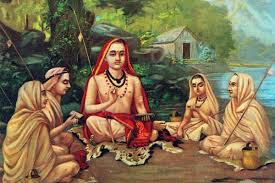
News India Live, Digital Desk: The fifth date of Shukla Paksha of Vaishakh month is recorded in golden letters in Indian history. this years 21 April 2026 Great guardian of Sanatan Dharma, pioneer of Advaita Vedanta and extraordinary philosopher. Adi Shankaracharya The birth anniversary of will be celebrated. The spiritual empire he built in the short life of just 32 years is still unshakable even after thousands of years. Let us know the story of that great man, who united the disintegrating India with a thread of devotion and knowledge.
Who was Adi Shankaracharya? extraordinary intelligence and determination to retire
In the 8th century, a child was born to Shivaguru and Mata Aryamba in a small village called ‘Kaladi’ in Kerala, who was named Shankar. His intelligence was so sharp since childhood that at the age of just 8 he had acquired the knowledge of all four Vedas by heart. When society was mired in superstition and religious confusion, little Shankar chose the difficult path of renunciation and set out in search of knowledge. He traveled to every corner of the country and preached scriptures and re-established the lost prestige of the Vedic religion.
Why was there a need to establish 4 monasteries?
During the time of Adi Shankaracharya, Sanatan Dharma was going through difficult challenges. The teachings of the Vedas were becoming extinct and there was huge conflict between different schools of thought. At such a time, to give an organizational structure to the religion and to keep the tradition of Shastrartha alive, he established four Shaktipeeths (monasteries) in the four directions of India. The purpose of these monasteries was not only to impart religious education, but also to make India a cultural unit from north to south and from east to west.
Four pillars of Sanatan Dharma: Know the importance of these monasteries
| name of monastery | Location (State) | Direction | associated veda | Mahavakya |
|---|---|---|---|---|
| Shringeri Sharda Peeth | Chikmagalur (Karnataka) | South | Yajurveda | ego brahmasmi |
| Govardhan Math | Puri (Odisha) | East | Rigveda | Prajnanam Brahma |
| Sharda/Dwarka Math | Dwarka (Gujarat) | West | Samveda | Tattvamasi |
| Jyotirmath | Badrikashram (Uttarakhand) | Answer | Atharvaveda | ayamatma brahma |
1. South: Sringeri Sharda Peeth (Karnataka)
Situated on the banks of Tunga River, this monastery is considered to be the first monastery established by Adi Shankaracharya. The monks here end their names with ‘Saraswati’, ‘Bharti’ or ‘Puri’ Apply adjectives. Its first abbot was Acharya Sureshwar.
2. East: Govardhan Monastery (Odisha)
This monastery located in Jagannath Puri provides religious leadership to the region from Orissa to Bihar. In front of the name of the monk of this monastery ‘Aranya’ Let’s apply. The first abbot here was Padmapada, the favorite disciple of Adi Shankaracharya.
3. West: Sharda Math (Gujarat)
This monastery located in Dwarka city is also called ‘Dwarka Peeth’. The monks of this monastery cherish the tradition of Samveda ‘Tirtha’ and ‘Ashram’ Are identified by sect name. Hastamalak became the first abbot here.
4. Answer: Jyotirmath (Uttarakhand)
Located near Badrikashram in the lap of Himalayas, this monastery is the highest center of knowledge. Sanyasi initiated from here behind their name ‘Giri’, ‘Mountain’ or ‘Sea’ Let’s apply. Acharya Totak was its first successor.