 look news india

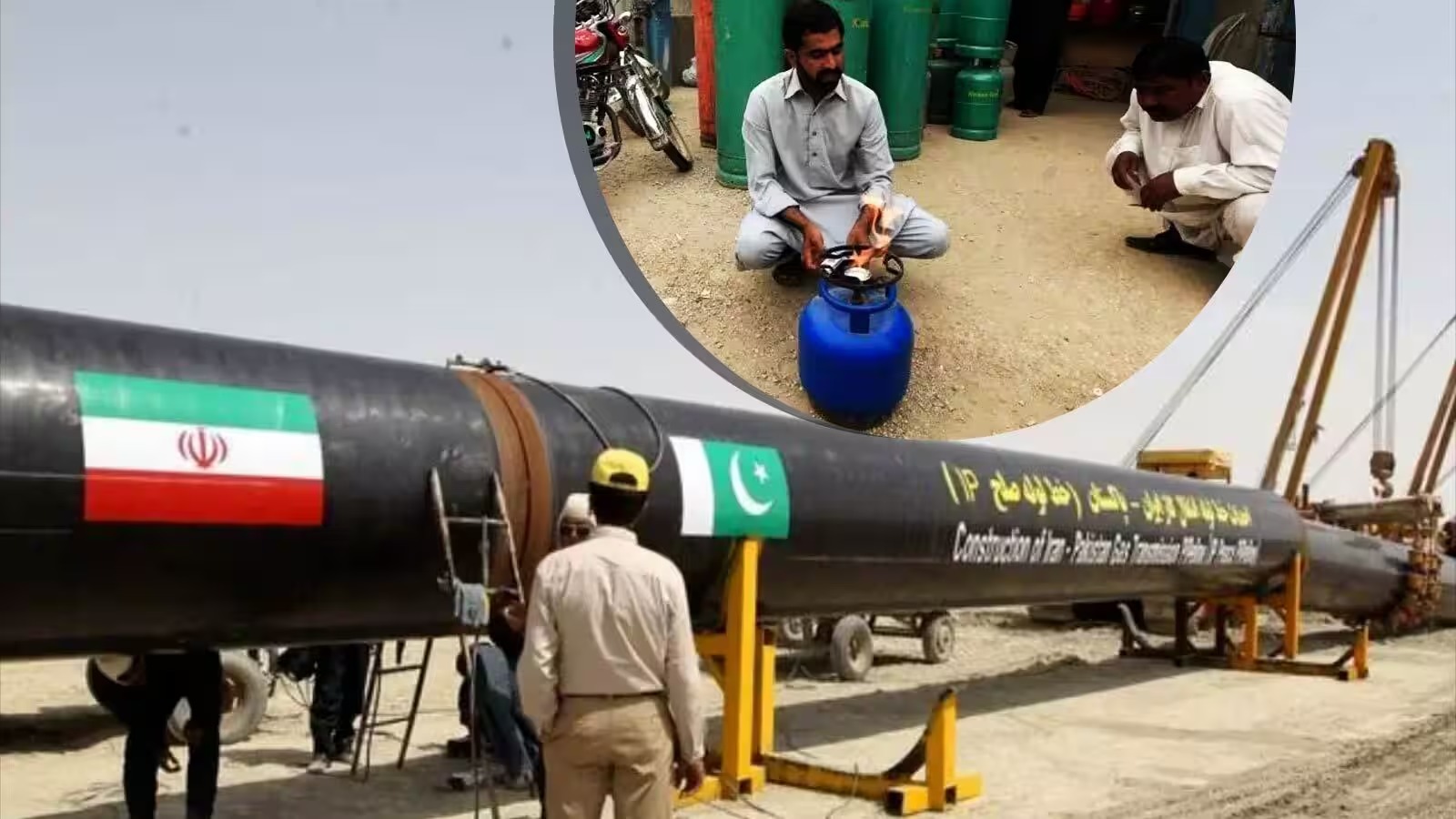
The tension between the neighboring countries has once again reached its peak on the diplomatic and geopolitical front, which is having a direct and painful impact on the kitchen of the common people. Amidst the continuously deteriorating security situation and mutual disagreements in the border areas, Iran has completely stopped the supply of Liquefied Petroleum Gas (LPG) to Pakistan indefinitely. This sudden and major step has created a severe fuel crisis in many provinces of Pakistan. The situation has become so dire that in Balochistan and other border areas of Pakistan, the price of a domestic gas cylinder has skyrocketed and crossed the figure of 10 thousand Pakistani rupees. For the common citizens who are facing the brunt of inflation, cooking food for two days and keeping themselves warm in this cold season has become a big struggle.
Trade and energy deals between Iran and Pakistan have long been a part of mutual diplomacy, but in recent months cross-border terrorism, clashes between security forces and serious payment disputes have soured relations between the two countries. The main reason behind taking this step by the Iranian administration is said to be the delay in payment of dues and the complications arising due to economic sanctions. Iran had warned Pakistan several times in the past to pay its energy imports on time and strengthen border security. When no concrete and satisfactory response was received from Islamabad, Tehran stopped the export of LPG with immediate effect, giving priority to its economy and security interests. This decision has given sleepless nights to the Pakistani rulers because they are largely dependent on their neighboring countries for their energy needs.
After the stoppage of gas supply from Iran, there has been an outcry in many parts of Balochistan, Khyber Pakhtunkhwa and Punjab of Pakistan. The official pipeline gas supply was already stretched, and now the halt in LPG imports has left black marketers and hoarders in the lurch. The general public has to stand in long queues to get LPG cylinders, where people have to pay a huge price of more than Rs 10,000 for a normal cylinder. The middle class families and the poor section are completely buried under the burden of this historic inflation. Local citizens say that the administration and the government are completely failing to deal with this crisis, and people are forced to burn wood and coal without gas, which is having a negative impact on the environment and health.
There is immense pressure on the Pakistani Foreign Ministry and Energy Department to overcome this serious energy crisis. Analysts believe that if the ongoing standoff with Iran is not resolved soon through diplomatic talks, economic and social unrest in Pakistan may further increase. Pakistan is already struggling with International Monetary Fund (IMF) loan and severe shortage of foreign exchange reserves, hence finding alternative routes for energy imports is proving to be extremely costly for it. This tension with Iran is not limited to gas shortage only, but it is also deeply affecting the regional dominance and security equations between the two countries. In the coming days, it will be interesting to see whether Islamabad succeeds in convincing Tehran or whether the general public will have to face this skyrocketing inflation for a long time.