 look news india

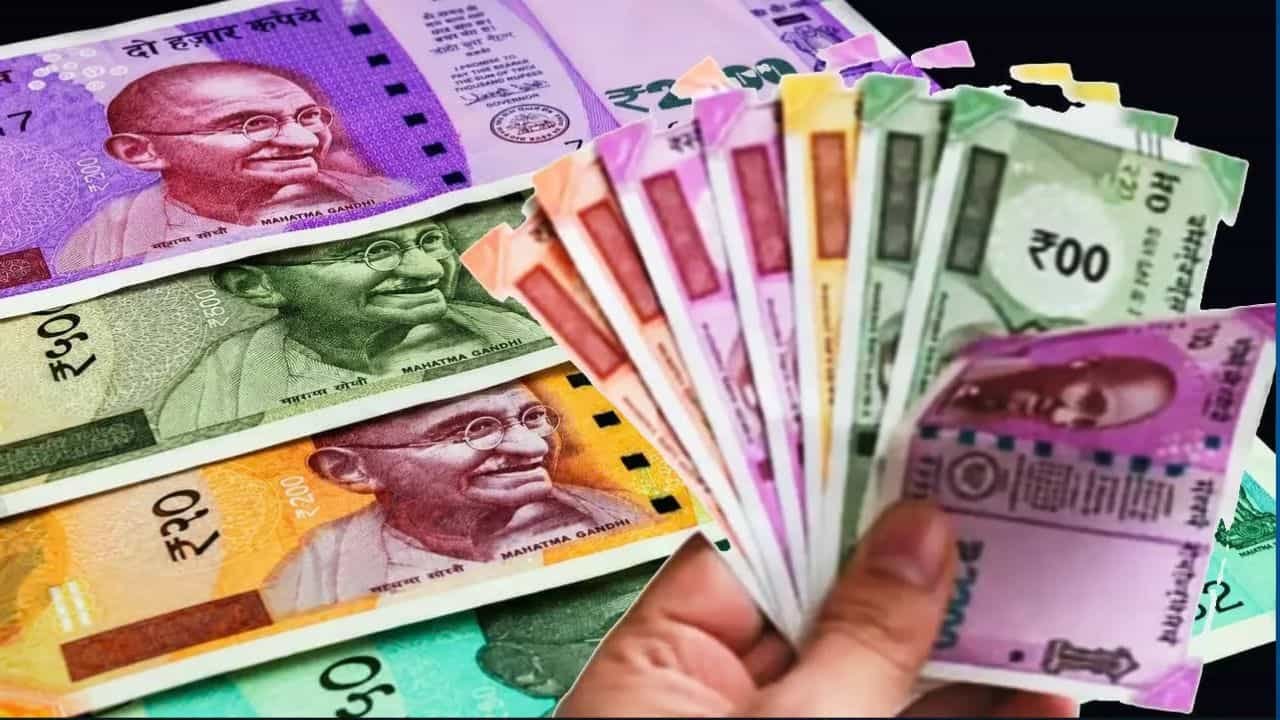
The Reserve Bank of India (RBI) is going to take a big step towards an revolutionary change in the currency system of the country. From April 1, the first day of the financial year, the Central Bank is preparing to release new polymer (plastic) notes of ₹ 10 and ₹ 20 denominations in the market. This project, which has been in discussion for a long time, is now being implemented as a pilot project and field trial. Made from modern Bi-axially Oriented Polypropylene (BOPP) plastic substrate instead of traditional cotton-pulp paper, the primary objective of these notes is to increase the life of small notes which tend to melt and tear rapidly in everyday transactions and to completely crack down on fake notes. Since this announcement, curiosity about the nature and security features of these new notes has reached its peak among common consumers, traders and the banking sector.
According to the plan of the Reserve Bank, initially only small denomination notes i.e. ₹ 10 and ₹ 20 will be introduced in plastic version. In a populous country like India, these are the two denominations most frequently used in public transport, grocery stores, street vendors and daily household expenses. Due to this excessive use, paper notes very quickly become dirty, mutilated and damp. The central bank is planning to release about 200 crore polymer notes for circulation in the market in the first phase, which will include 100 crore notes of ₹10 and 100 crore notes of ₹20. These will be practically tested in selected cities with different geographical and climatic conditions to test how well this plastic currency can withstand extreme heat, monsoon humidity and extremely dusty environment.
Polymer banknotes are completely different and technologically more advanced than ordinary paper notes in several respects:
-
Waterproof and anti-sweat properties: The biggest feature of plastic notes is that they do not get spoiled even if they get soaked in water, oil, sweat or any other liquid. Even if the note kept in the pocket gets wet in the rain or is accidentally washed in the washing machine along with clothes, it does not melt or stick and remains usable again after drying.
-
Long lifespan and high durability: Studies show that polymer notes last two and a half to four times longer than traditional cotton-based paper notes. Due to their high tensile strength, they do not tear easily when bent or pulled by hand.
-
Transparent Security Window: There is a special transparent part i.e. ‘clear window’ on the surface of these notes. This window is see-through and contains complex optical variable devices (OVD) and holograms, which are almost impossible to copy with a normal printer or scanner.
-
Dirt and bacteria free surface: Dust, dirt and germs do not accumulate on the non-porous surface of the polymer. Due to this, these notes remain clean for a long time and the risk of spreading infection from hand to hand also becomes negligible.
-
Environment and recycling friendly: When these notes complete their lifespan, instead of being destroyed, they can be recycled and used to make other plastic products, thereby reducing the carbon footprint.
As soon as the new currency is released, the biggest question that arises before the banks and the general public is whether ATMs and cash deposit machines across the country will have to be re-calibrated. The policy makers of the Reserve Bank have set clear instructions this time that the dimensions of length, width and thickness of the new ₹ 10 and ₹ 20 plastic notes will be kept exactly the same as the existing paper notes. The biggest benefit of this strategic move will be that public and private sector banks will not have to make any expensive hardware changes in ATM trays, note counting machines and vending machines, thereby saving unnecessary logistics expenses of hundreds of crores of rupees.
Polymer substrate is being considered as a perfect weapon to stop counterfeiting of small notes in India. It is relatively easy for counterfeiters to affix a security thread or watermark on ordinary paper notes, but on polymer sheets the security layers are sealed between molten plastic. It uses special shadow images, micro-printing, color-shifting ink and laser markers that change color when viewed from different angles. The more than 60 countries around the world—such as Australia, Britain, Canada and New Zealand—that have adopted plastic notes have experienced historic declines in counterfeiting rates.
The Reserve Bank of India destroys about Rs 2,000 to 2,400 crore soiled and mutilated notes every year under its ‘Clean Note Policy’. A huge expenditure of about ₹ 5,000 crore is incurred annually in the country on destroying the bad notes and printing, transporting and bringing into circulation new notes in their place. A large part of this expenditure is incurred due to rapid spoilage of ₹10, ₹20 and ₹50 notes. Although the initial printing cost of plastic notes is 30 to 60 percent higher than that of paper notes, their 4 times longer life will result in savings of thousands of crores of rupees to the exchequer and taxpayers in the long run.
With the announcement of the new notes, putting an end to any rumors or confusion on social media like demonetization, the officials have made it clear that the old paper notes will remain completely valid. This phase, starting from April 1, is only an experimental circulation (field trial). Both plastic notes and old paper notes will circulate in parallel in the market. There will be no need for any citizen to go to the bank to exchange his existing notes. As the old paper notes deteriorate and return to the banks, they will gradually be removed from the system and new stronger plastic notes will automatically become part of the market in their place.