 look news india

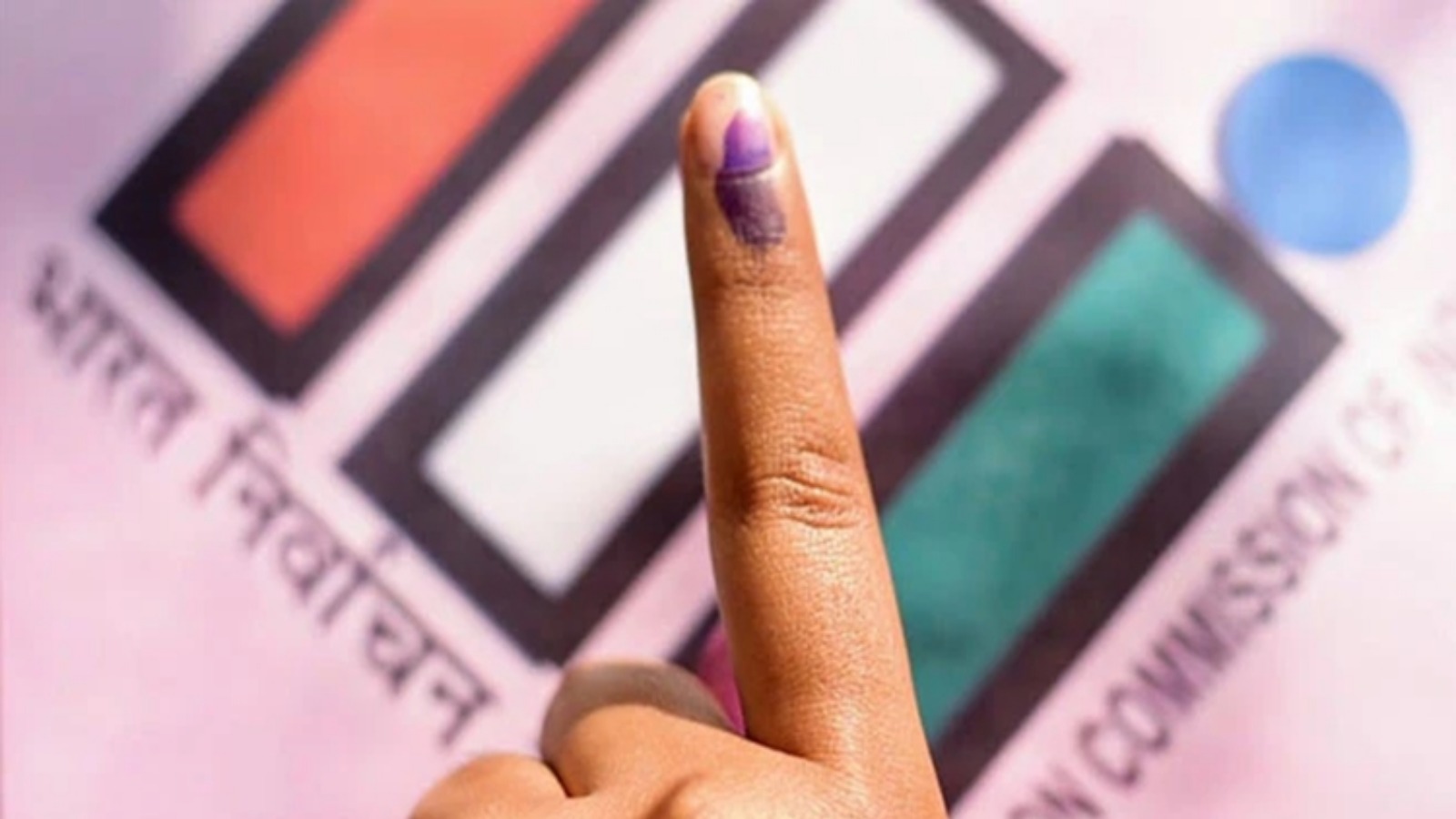
At present, the election excitement has reached its peak in the Indian political circles, because the countdown for the upcoming assembly elections to be held in five important states of the country has officially started. The Election Commission of India has started implementing its administrative preparations to conduct the democratic process in these states in a completely fair, transparent and time bound manner. A high-level team of Chief Election Commissioner (CEC) and senior election officials will soon undertake a comprehensive tour of all these election-bound states, under which the ground administrative preparations, security arrangements and law and order will be reviewed. With this announcement, political parties have also geared up and meetings have intensified from state to national level, making it clear that the coming few months are going to be very important for the country’s politics.
According to the schedule and constitutional provisions of the Election Commission of India, the tenure of the assemblies of the five major states whose tenure is ending early next year include Uttar Pradesh (UP), Punjab, Uttarakhand, Goa and the sensitive north-eastern state Manipur. Election winds have started blowing rapidly in all these states and political parties have started working on their respective strategies. Election experts and analysts believe that the voting process can be completed in these states during February-March, for which the Election Commission has started the activities related to census at the administrative level and the work of revision of voter lists (Voter List Revision) on war footing. Every state has its own distinct political temperament and geographical equations, due to which this review visit of the Election Commission is being considered very important to assess the sensitive booths and security needs of these states.
This upcoming visit of the Election Commission under the leadership of the Chief Election Commissioner will outline what security arrangements will be in place at the polling stations and how the security and movement of Electronic Voting Machines (EVMS) will be strengthened. During his visit, CEC will hold marathon high-level meetings with Chief Secretaries, Directors General of Police (DGP), District Magistrates and Superintendents of Police of the respective states. In these meetings, strict instructions will be issued to strictly implement the Model Code of Conduct, ban the use of money power and muscle power and ensure free and fair elections. Apart from this, the administrative machinery of the State will also have to ensure that there is no violence or disturbance of any kind during the elections, especially by timely deployment of special security forces in sensitive and vulnerable polling areas.
Along with the preparations of the Election Commission, the political activities of the political parties in these five states have also gained full momentum. From Uttar Pradesh to Punjab and Uttarakhand, all small and big parties are planning rallies, public meetings and Vijay Yatras to woo the people. The round of meetings has started where selection of candidates, possible alliances and highlighting local issues are being discussed. The ruling parties are claiming to make a comeback on the basis of their development plans and welfare policies, while the opposition parties are preparing to reach out to the voters by weaponizing issues like unemployment, inflation and local mismanagement. This multi-cornered political contest has made the electoral environment of these states extremely exciting and contested, where each political party is trying its best to ensure its victory.
This time the entire emphasis of the Election Commission of India is to ensure maximum voter participation in this great festival of democracy. For this, work is being done to connect youth and new voters through Special Voter Awareness Campaigns (SVEEP). Besides, instructions have also been given to the district administration to make the facility of postal ballot more accessible for disabled and elderly voters. In the digital age and social media era, the Social Media Monitoring Cell of the Election Commission has also been fully prepared to crack down on fake news and inflammatory statements. As the visit of the Chief Election Commissioner is approaching, the heartbeats of the administrative machinery and political parties are increasing, and in the coming days it will become clear in which political direction these five important states of the country are going to move.